
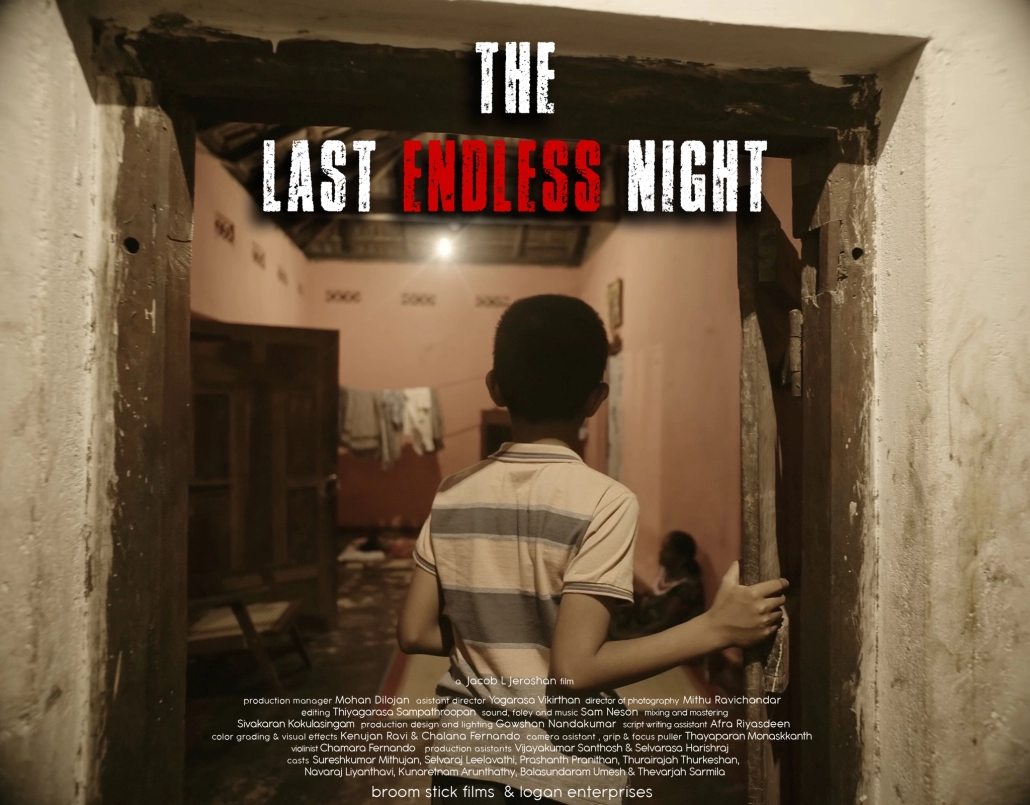
| TITLE OF THE FILM | The Last Endless Night (Neelum Oor Kadaisi Iravu) |
| DIRECTED BY | Jacob L. Jeroshan |
| LANGUAGE | Tamil (English subtitles) |
| YEAR | 2025 |
| COUNTRY | Sri Lanka |
| DURATION | 19 minutes 28 seconds |
| SPECIAL NOTE | Kolkata Premiere |
PRINCIPAL CREW & CAST
| WRITING | Jacob L Jeroshan |
| CINEMATOGRAPHY | Mithurshan |
| EDITING | Sampath Ruban |
| LOCATION SOUND | Sam Nesan |
| SOUND DESIGN & MIXING | Sam Nesan |
| PRINCIPAL CAST | Leelawathi Selvaraj, Mithujan, Thurgesh, Liya, Pranithan |
ABOUT THE FILM
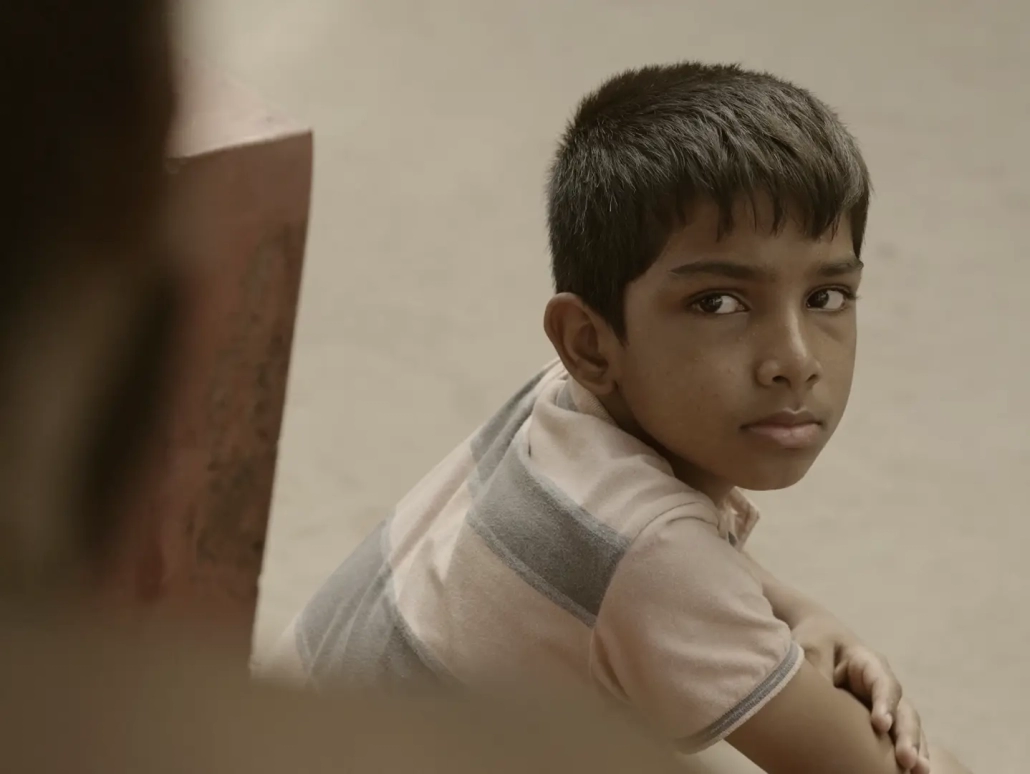
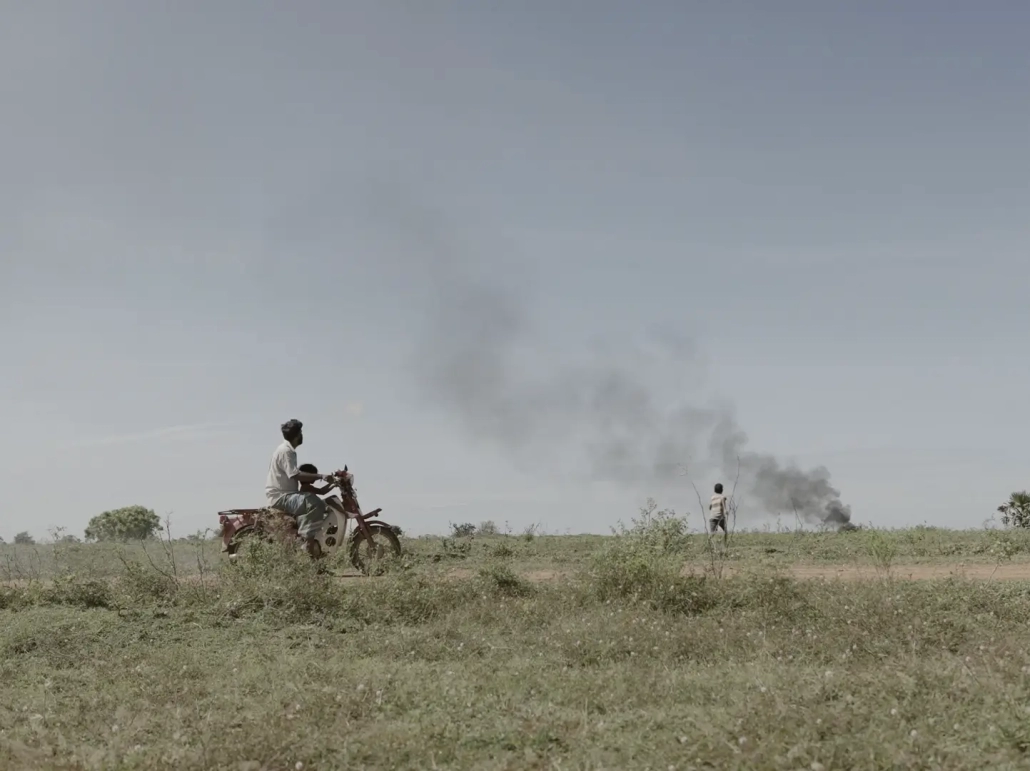
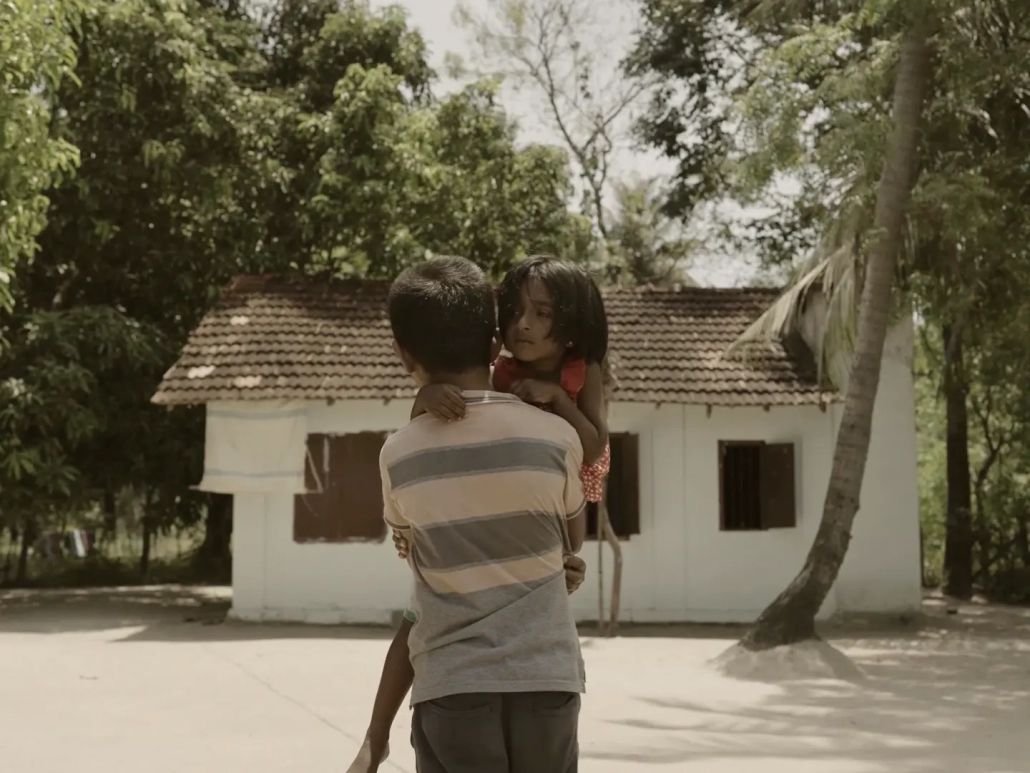
On a tense night in 1999, young Vendan watches his family fracture as his abused mother flees into the war-torn darkness. At dawn, he and his uncle cross checkpoints, debris, and danger, fearing what they might find. Reaching his grandmother’s empty home, Vendan holds his sister and calls into the silence, uncertain if his mother will ever return.
ABOUT THE DIRECTOR
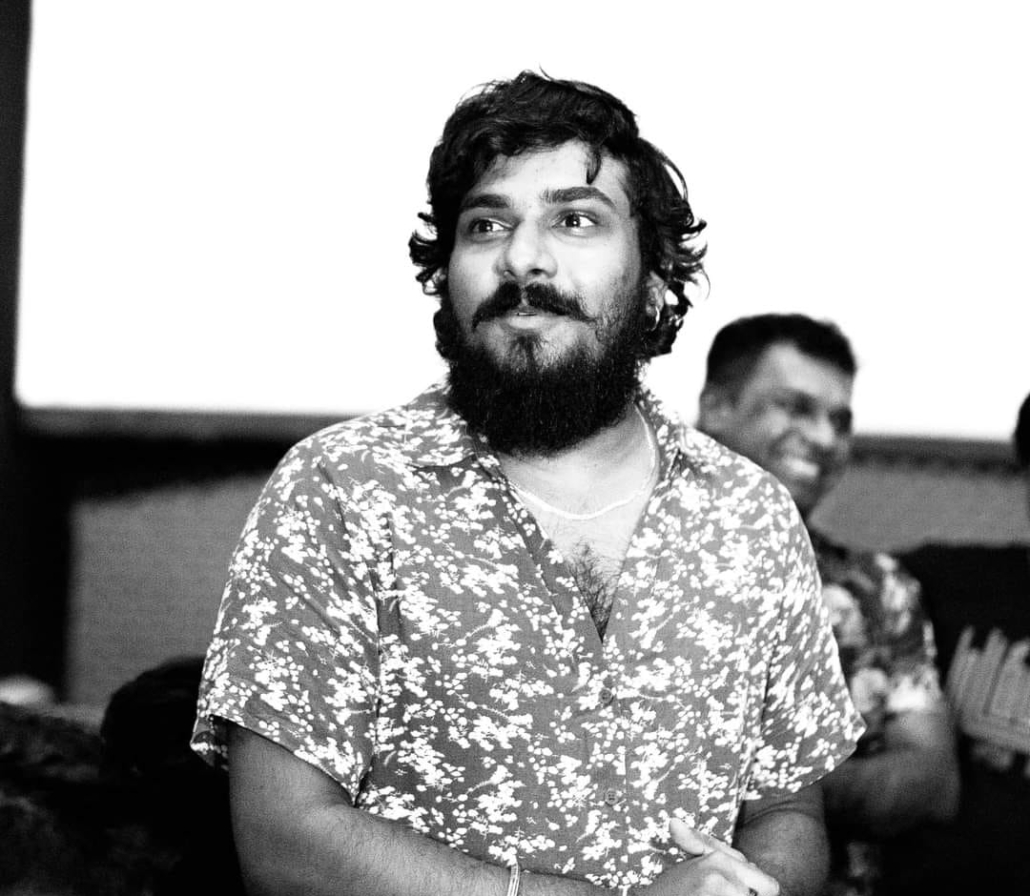
Jacob Luke Jeroshan is an independent filmmaker, TV commercial director, and writer from Batticaloa, Sri Lanka, with a passion for storytelling that began in 2011. He graduated from the Nanyang Academy of Fine Arts in Singapore in 2018, specializing in Screen Media, and further honed his craft at the Busan Asian Film School in South Korea, completing his studies in 2024. Jeroshan has directed three short films, a pilot film, and numerous TV commercials for notable local brands such as Koko (Daraz), Roky Holdings, International Construction Consortium, Earth Essence and Rebecca Lea. Jeroshan’s short film ‘Osmodeus’ stands out, having been screened internationally and receiving multiple awards, showcasing his talent for compelling storytelling. His pilot film “Salted Popcorn” had its world premiere at the Jaffna International Cinema Festival in 2022 and achieved a limited theatrical release in Sri Lanka in 2024, further solidifying his place as a rising voice in independent filmmaking.
DIRECTOR’S STATEMENT
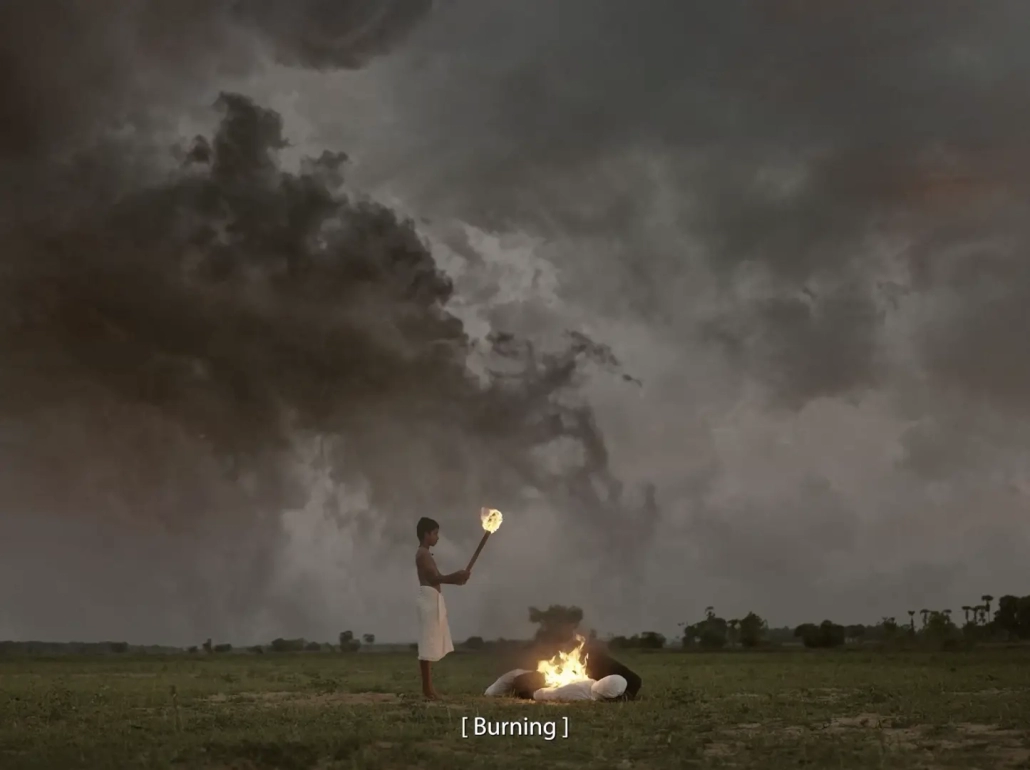
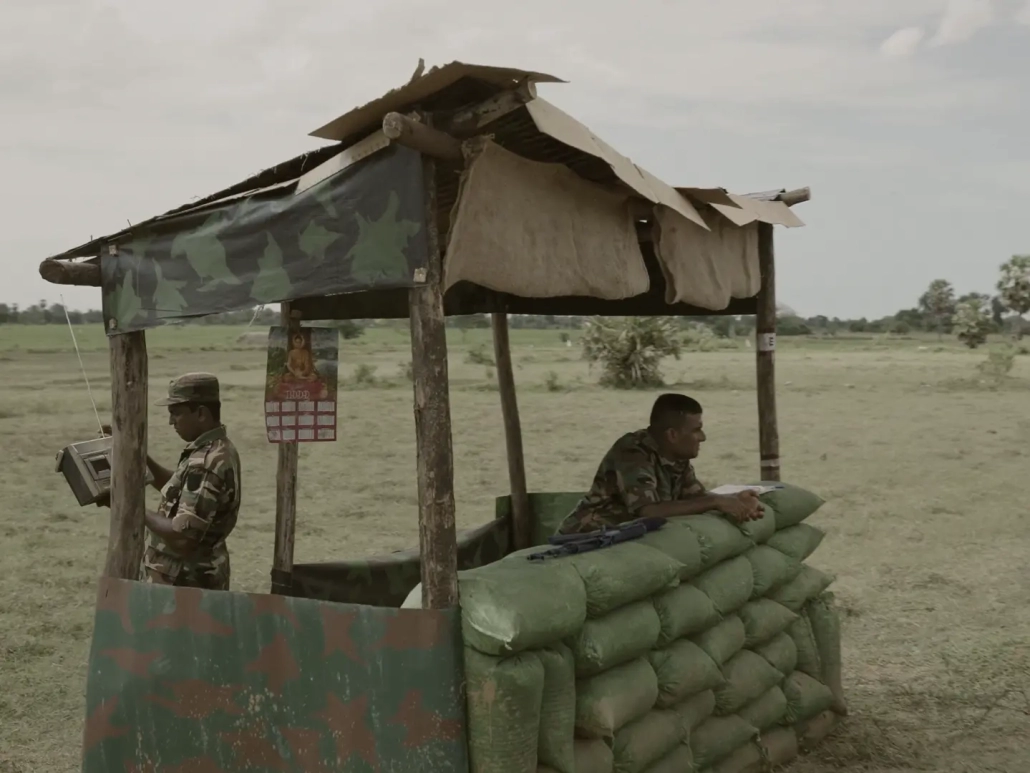
This is a true memory from when I was nine years old, in Sri Lanka in 2003. Although it wasn’t the height of the war, the country was still very much in conflict, and that night still haunts me. After a fierce argument at my paternal grandmother’s house, my mother left at midnight—and no one stopped her or tried to bring her back. All through the night, my mind raced with dread, wondering if she was safe. At dawn, I rode behind my uncle on his motorbike, searching for her. With every passing moment, I feared the worst—that I might find her lifeless body. It felt like a battle raging inside me. But when we reached my mother’s home, relief washed over me: she had arrived safely the night before. As a Tamil child raised in Sri Lanka, I grew up hearing stories much darker. In remote villages, people don’t raise their voices, and brutal atrocities are whispered about—women assaulted by soldiers, men kidnapped, burned alive in tires, shot, buried near military sentries. I often wondered how my own story might have ended in that setting, which is why I wrote the film this way. Through the eyes of the young protagonist, the film explores how toxic parental relationships affect children—using metaphor to deepen the emotional impact. Viewers bring their own beliefs: if you think soldiers are good, then Vendan’s mother returns safely; if you don’t, the ending is much darker.

