
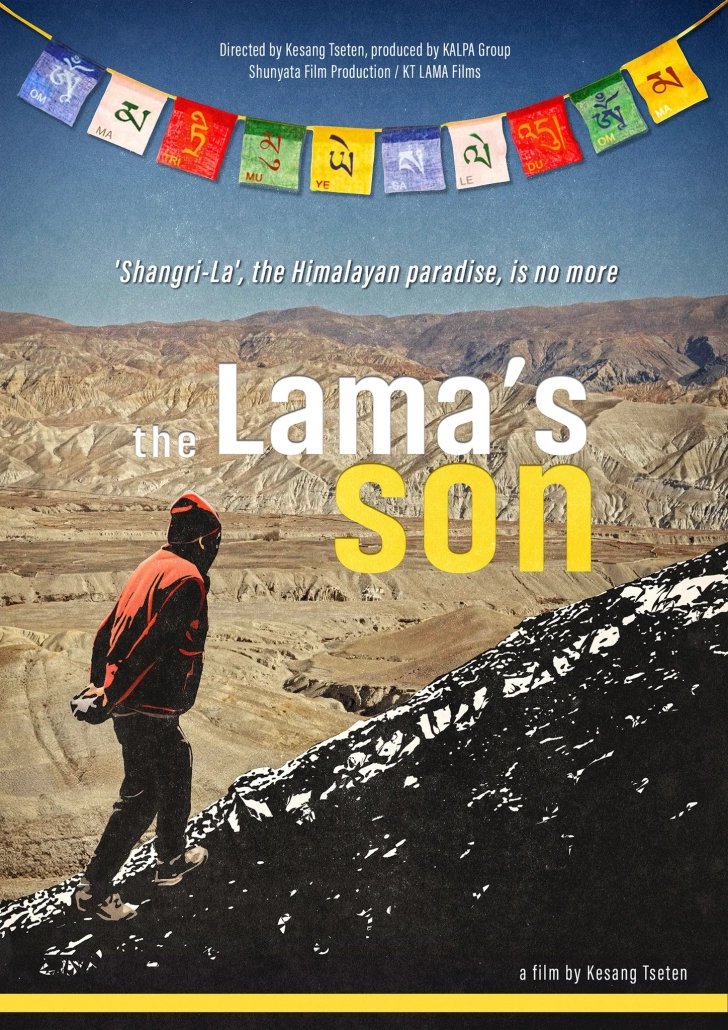
| TITLE OF THE FILM | The Lama’s Son |
| DIRECTED BY | Kesang Tseten |
| LANGUAGE | Dolpo, Mustang Kay (Tibeto Language) (English subtitles) |
| YEAR | 2025 |
| COUNTRY | Nepal, USA |
| DURATION | 73 minutes |
| SPECIAL NOTE | Indian Premiere |
PRINCIPAL CREW & CAST
| WRITING | Kesang Tseten |
| CINEMATOGRAPHY | Shyam Karki, Bishnu Kalpit, Kemi Tsewang, Kesang Tseten |
| EDITING | Kesang Tseten, Patrick Bruge |
| ROUGHCUT | Amaury Berger, Burri Bolalima |
| SOUND DESIGN & MIXING | Sukanta Majumdar |
| MUSIC | Lasse Enersen |
ABOUT THE FILM
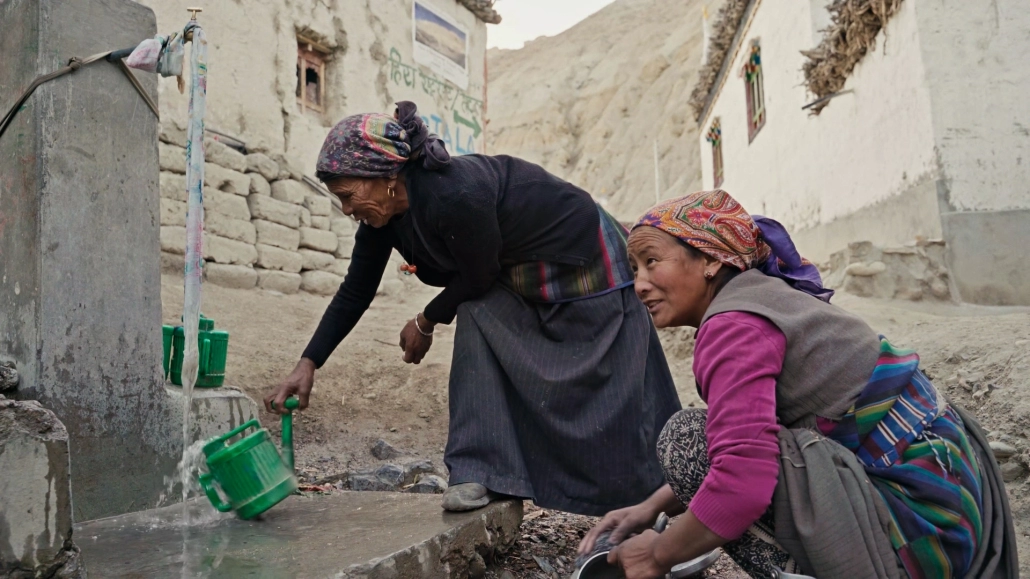
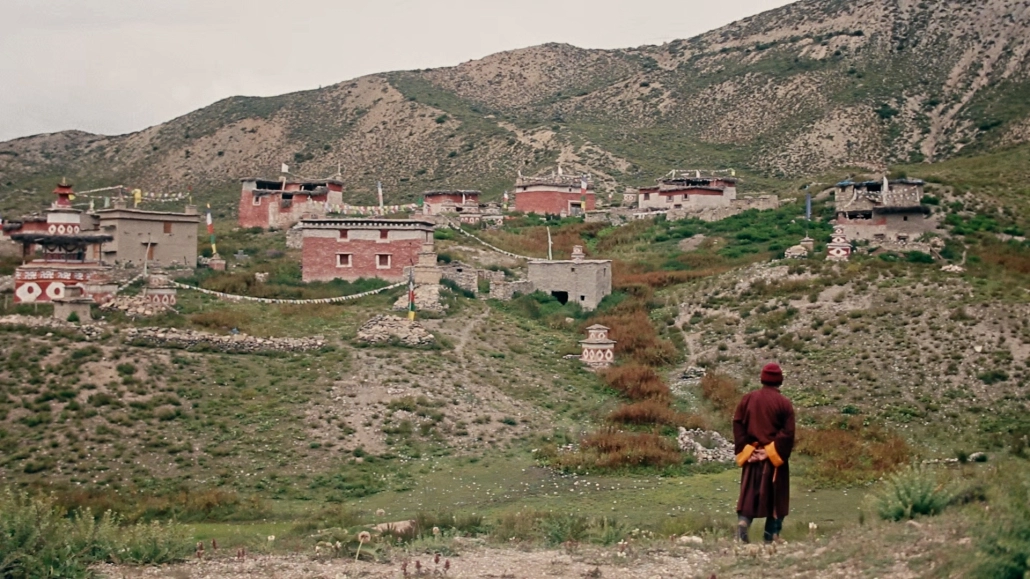
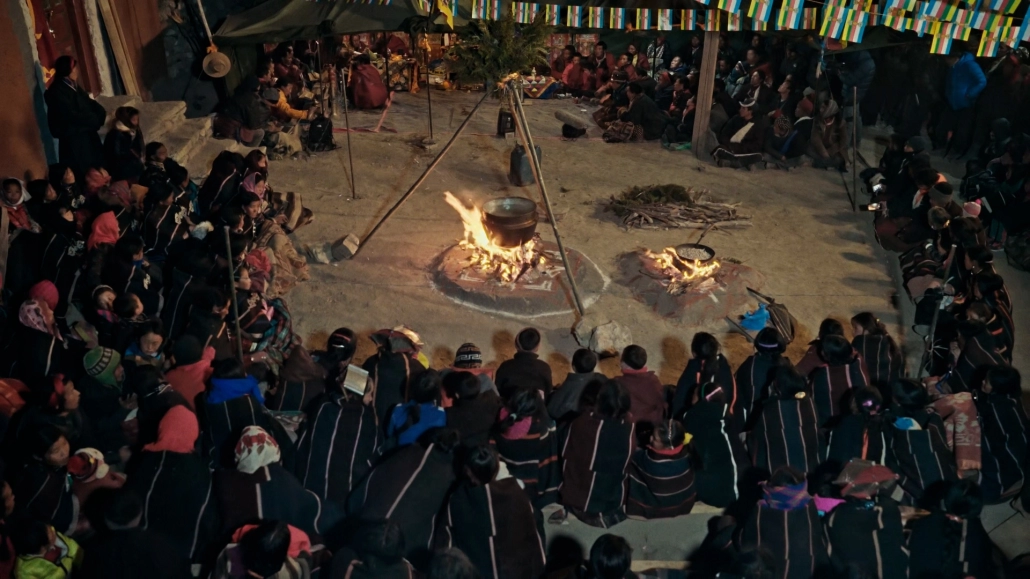
In Nepal’s Himalaya, a Bonpo Lama awaits his son to return from New York to take over his ancient role. It is a sign of a society crumbling, exacerbated by climate change. There are still outposts in the Himalaya where tradition thrives, but for how long. The Lama realizes his son is right in thinking the future is elsewhere.

ABOUT THE DIRECTOR
Kesang Tseten’s documentaries have been screened regularly in Nepal and at various renowned international film festivals, such as the International Documentary Film Festival of Amsterdam. He has also been a recipient of grants from Busan, Jan Vrijman Fund and IDFA Bertha Fund, Sundance Documentary Institute, among others. His films include the award-winning ‘Who will be a Gurkha,’ ‘Trembling Mountain,’ and a trilogy on Nepali migrant workers in the Gulf States. His films are regularly screened in classrooms at international educational institutions. Tseten’s recent works are sequels to his earlier films about Nepali migrant workers in the Gulf, ‘The Riyalists,’ ‘A Migrant Speaks,’ and ‘Diversity Plaza.’ He wrote the original screenplay for the feature Mukundo – awarded best script and was Nepal’s entry to the Academy Awards, as well as KARMA. He is a graduate of Dr Graham’s School in India, Amherst College, and Columbia University in the US.
DIRECTOR’S STATEMENT
In making this film, I mulled over the issue of representation, even if that was not the original intent of the film. Being from the Tibeto-Buddhist region, I am aware that we are often perceived as happy, peaceful dwellers of a Himalayan idyll, Shangri-la.
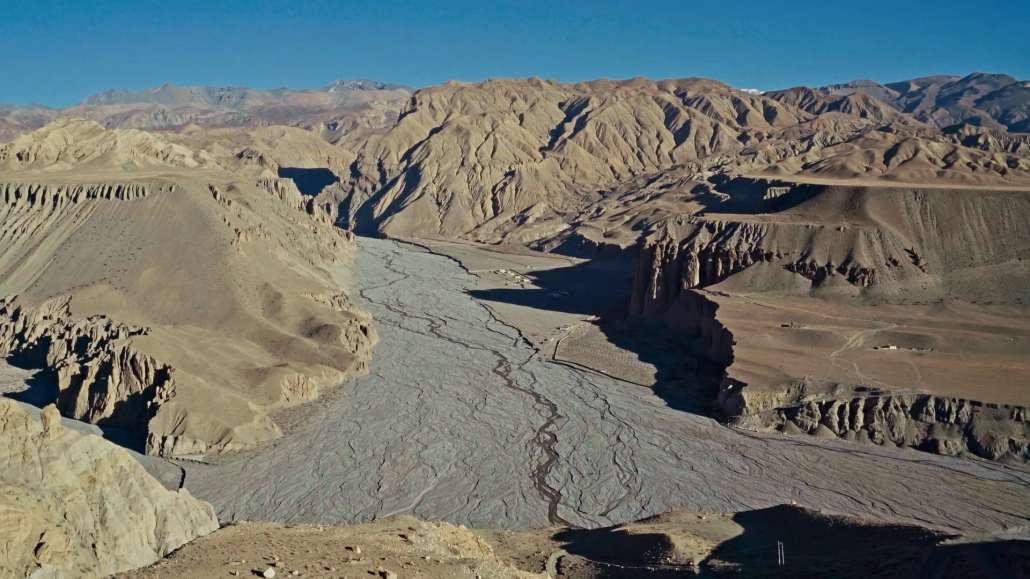
I filmed communities in two parts of north Nepal; one, in not-too-long-ago-forbidden Mustang, which like most of the Himalaya, has been undergoing immense change, with development, roads, the internet, and tourist inflow. The same period has seen a dramatic outflow of people from an already scant population to far beyond Nepal, not least because of the deleterious effects of climate change. It was clear, Shangri-la, IF it ever existed, was crumbling.
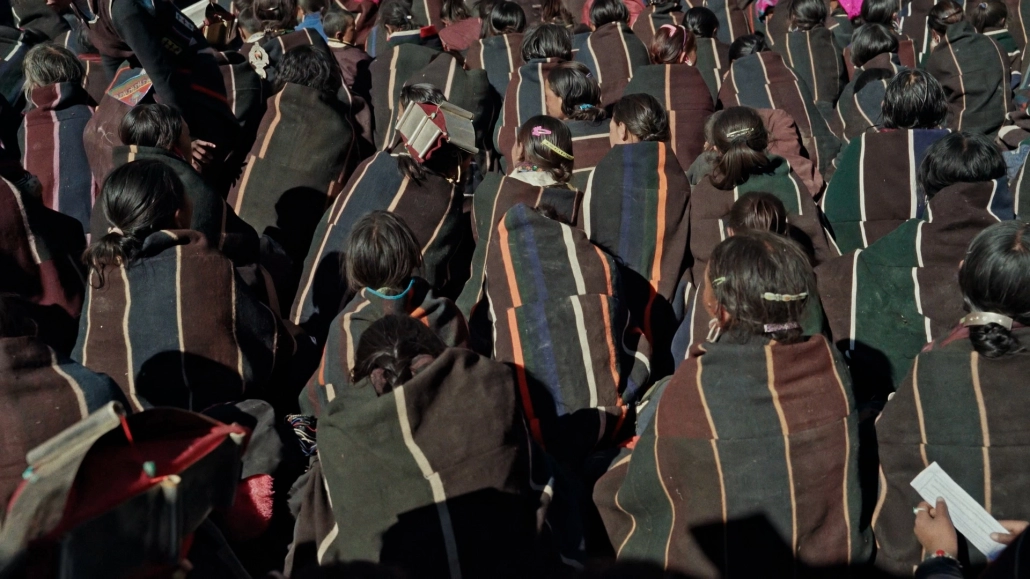
I also filmed in Dolpo, which in contrast to Mustang, has been least affected by these changes. Here I encountered a subsistence way of life that, in its materiality and celebration of community, evoked a sense of Shangri-la. While I am aware of the orientalist origins of this prism of othering, it was these moments that must have been at the heart of such notions.

