
| TITLE OF THE FILM | That Dawn That We Will Bring (Voh Subah Hami Se Aayegi) |
| DIRECTED BY | Uma Chakravarti |
| LANGUAGE | Hindi, English, Tamil, Kannada (English subtitles) |
| YEAR | 2025 |
| COUNTRY | India |
| DURATION | 77 minutes 6 seconds |
| SPECIAL NOTE | World Premiere |
PRINCIPAL CREW & CAST
| EDITING | Priyanka Chhabra |
| COLORING | Amaan Sheikh |
| SOUND MIXING | Amaan Sheikh |
ABOUT THE FILM
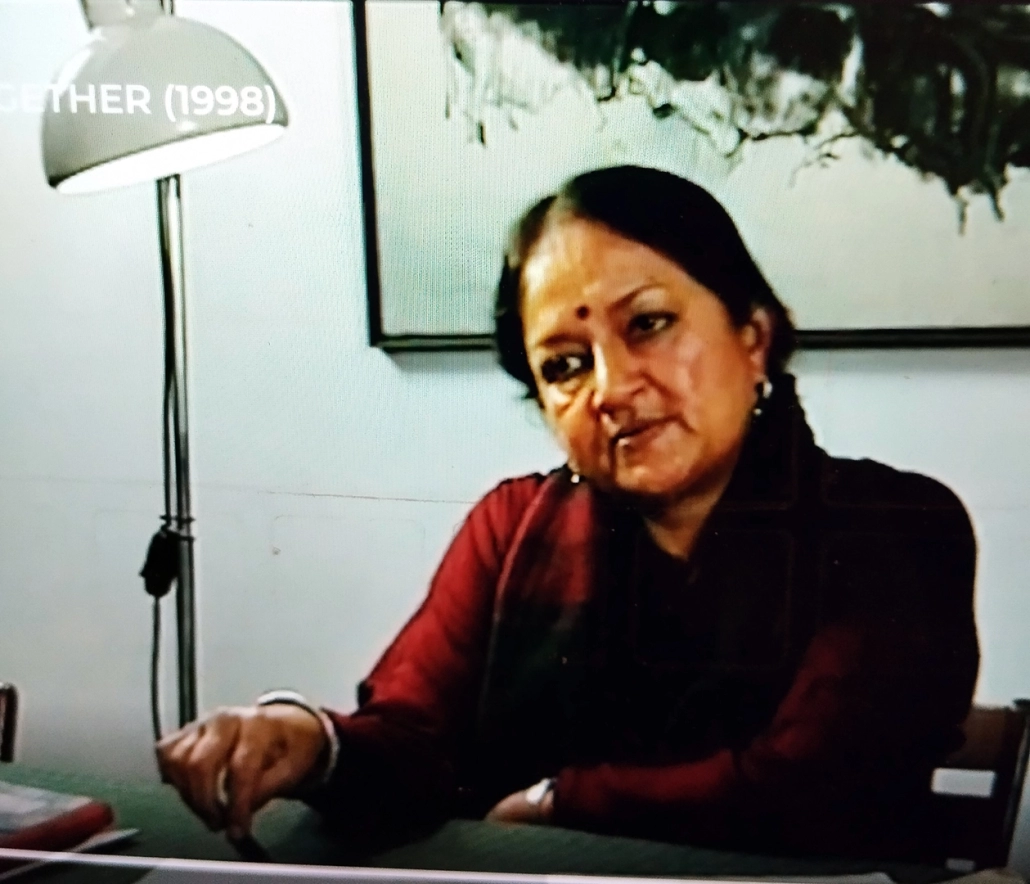
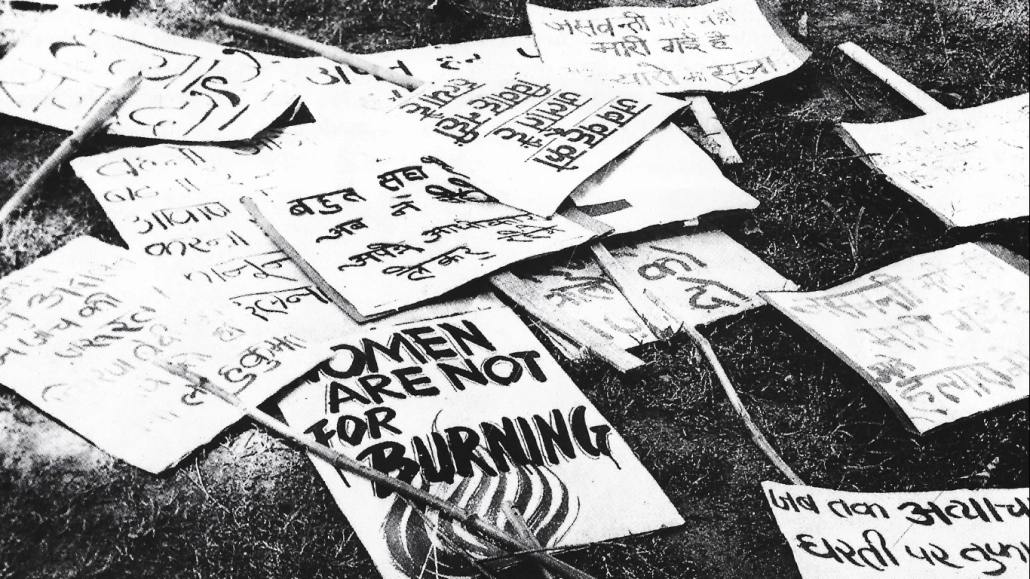
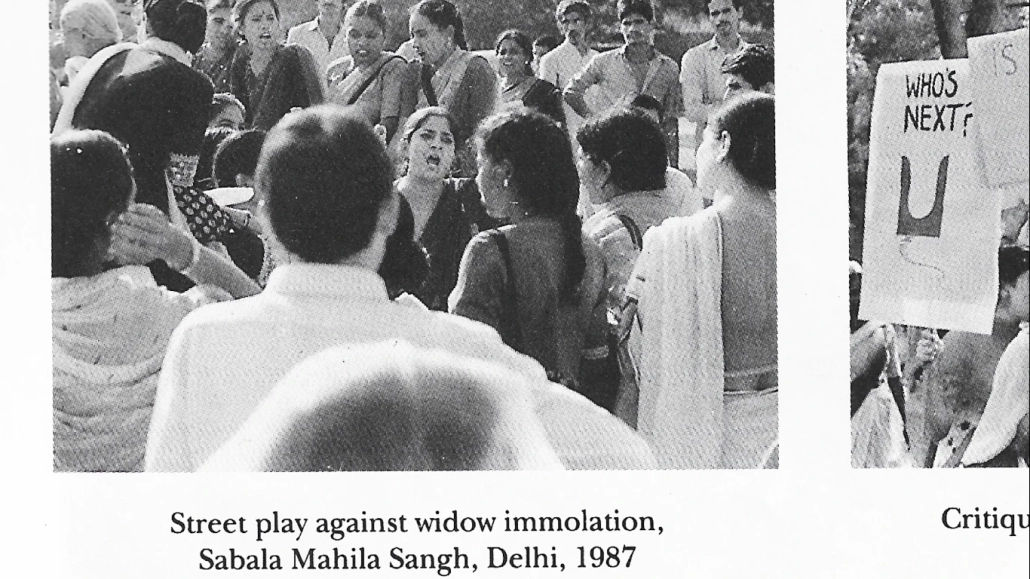
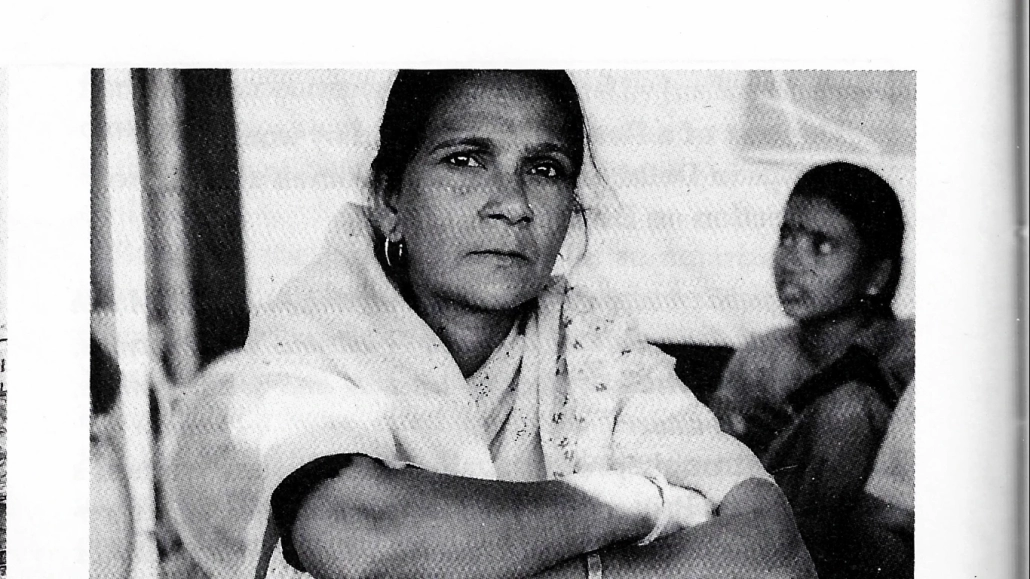
The film tells the “story” of the women’s movements that places violence against women in India and the resistance against it over more than four decades across India spanning different regions and multiple sites. These vibrant movements have challenged culture, tradition, caste and oppressive cultural practices which have been practiced and legitimized under the rubric of “tradition” and/or patriarchy denying women, agency, The movements have drawn from a wide arc of support and have led to many changes in the legal system and in social relations. The movements have also led to a vigorous critique from unrepresented segments and the marginalization of regions and social groups, so there is a long way to go before violence against women is ended and women can be freed from the oppressive structures that have dominated them over centuries. The struggles continue …
ABOUT THE DIRECTOR
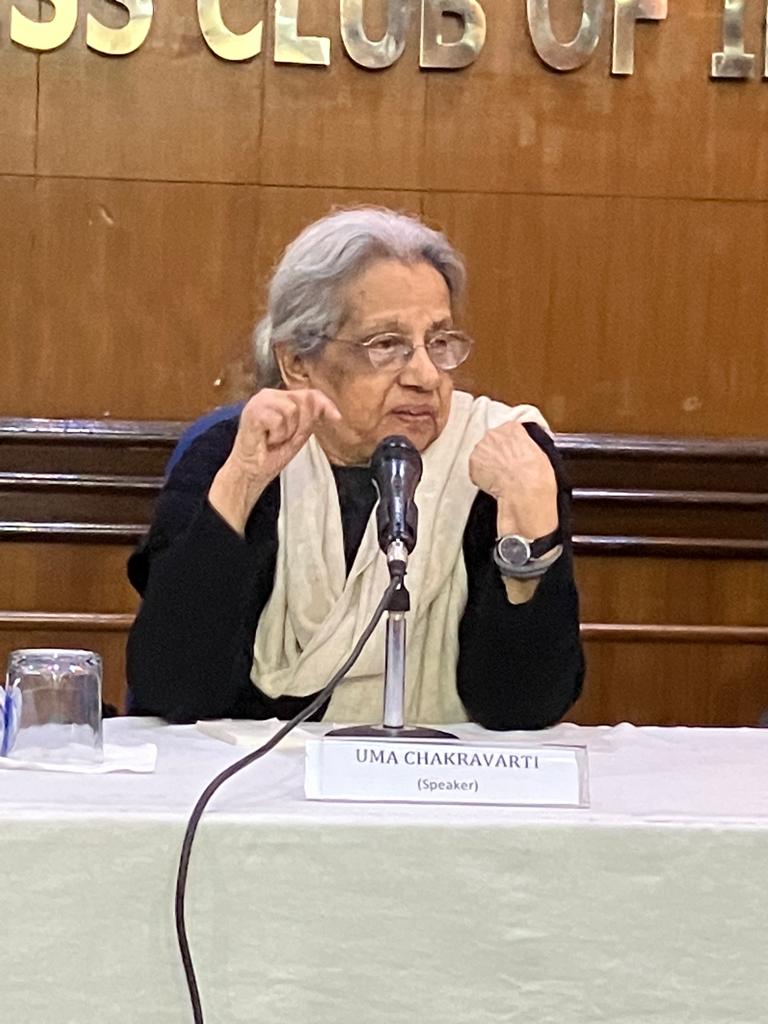
Uma Chakravarti is a feminist historian, teacher and filmmaker. She began to make films inspired by the visual potential of a most unusual archive, a tin trunk with its holdings of paper, notes, receipts, photographs, lists of books to be reading assorted such memorabilia as well as letters. This unique archive of a woman who spent her life in the salt pans and was barred from joining the movement for independence through patriarchal and caste based restrictions, which jolted the director into becoming a filmmaker and tell the story of the protagonist. Since then the director has made eight films dwelling on politics, loss of memory, uncovered histories, incarceration and movements for change.
DIRECTOR’S STATEMENT
Voh Subah Hami Se Aayegi is a film that is unique in many ways: it is based on the archive of existing films that filmmakers inspired by the women’s movement have made on various themes that have both wrought havoc upon women in terms of violence against them but also bounded them in roles and prison houses that have kept them individually and collectively unable to achieve their freedom. It is my tribute not only to the “movement” but also the filmmakers who created these marvellous, rich and poignant documents of the violence and the resistance to the violence of tradition, patriarchy and denial of agency/and individual choice. Beginning with the history of the recent phase of the movement in the 1980’s the film tries to capture the arc of the movements for change from custodial rape, to dowry violence, to cultural practices, to caste and state violence and to new forms of the denial of agency and to citizenship rights all of which have been themes for feminist filmmaker’s to engage with.

