
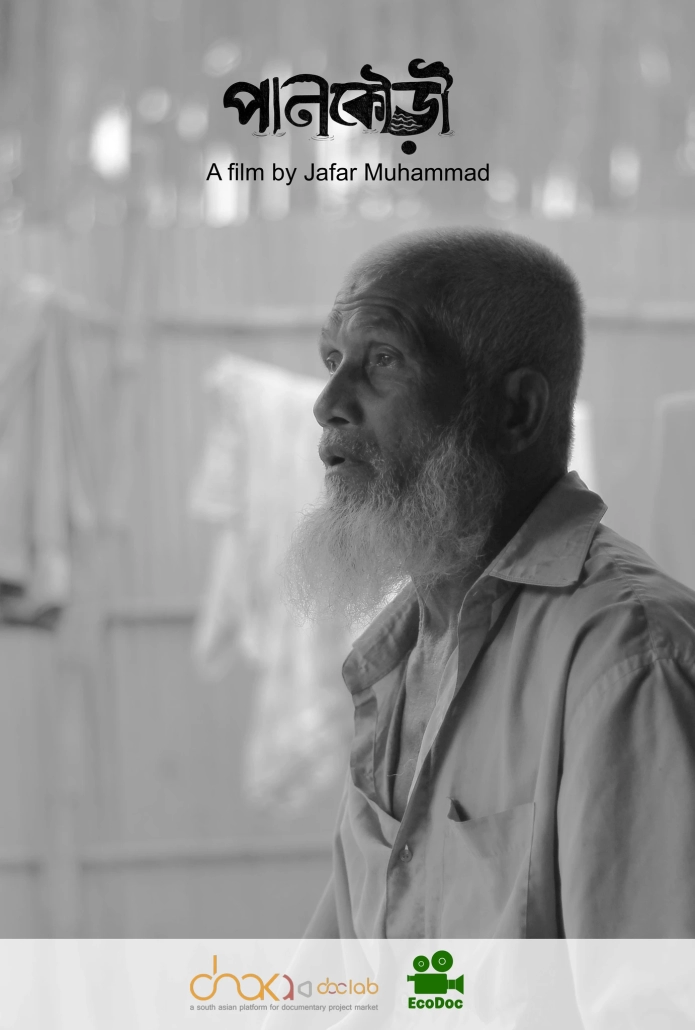
| TITLE OF THE FILM | Pankauri |
| DIRECTED BY | Jafar Muhammad |
| LANGUAGE | Bangla (English subtitles) |
| YEAR | 2025 |
| COUNTRY | Bangladesh |
| DURATION | 18 minutes |
PRINCIPAL CREW & CAST
| CINEMATOGRAPHY | Jafar Muhammad, Abdullah All Saba |
| EDITING | Rakibul Rowshan |
| SOUND DESIGN | Prabuddha M |
| PRINCIPAL CAST | Mujibur Rahman |
ABOUT THE FILM
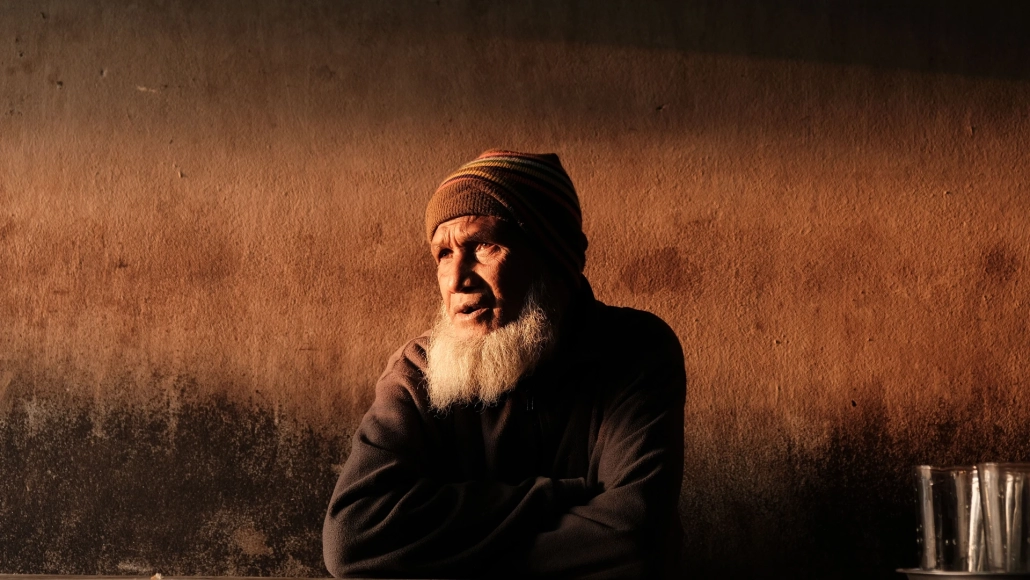
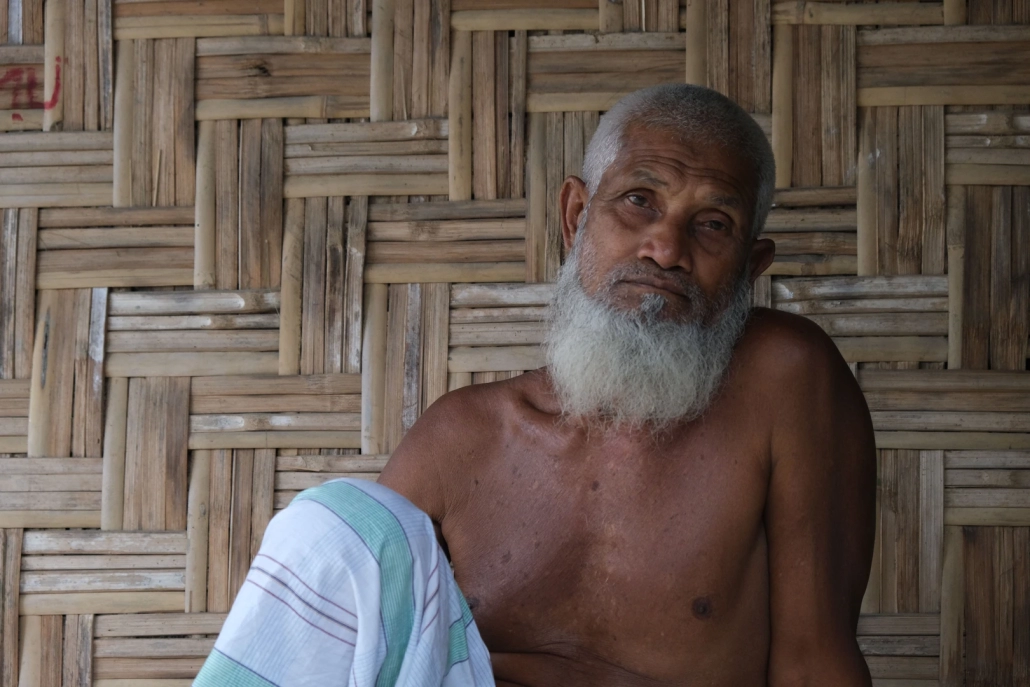
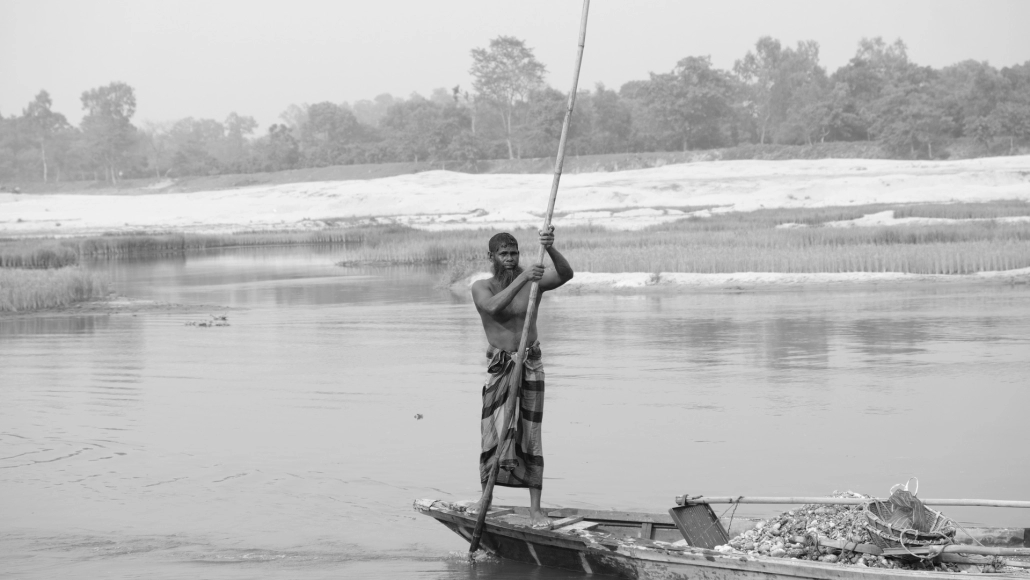
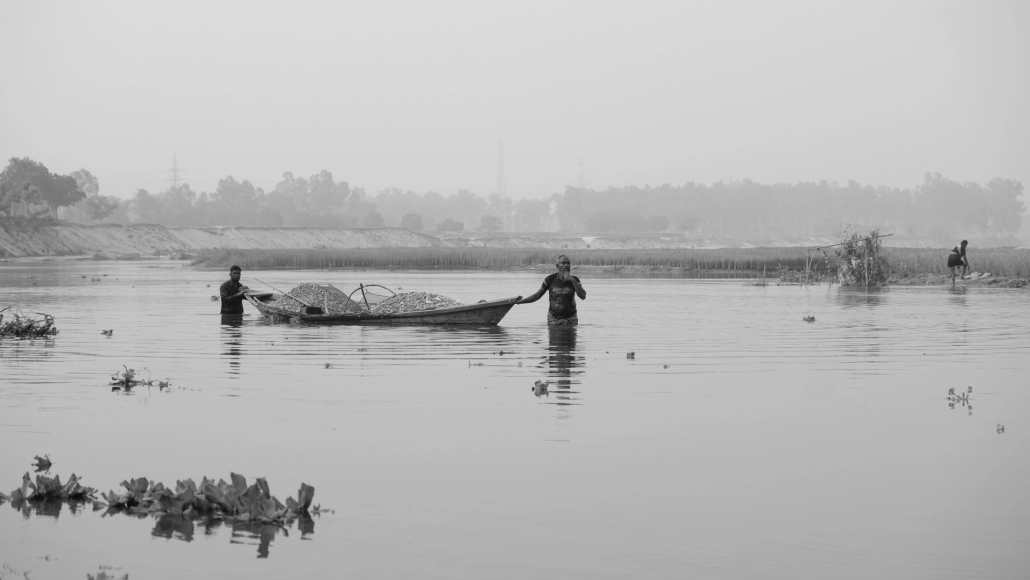
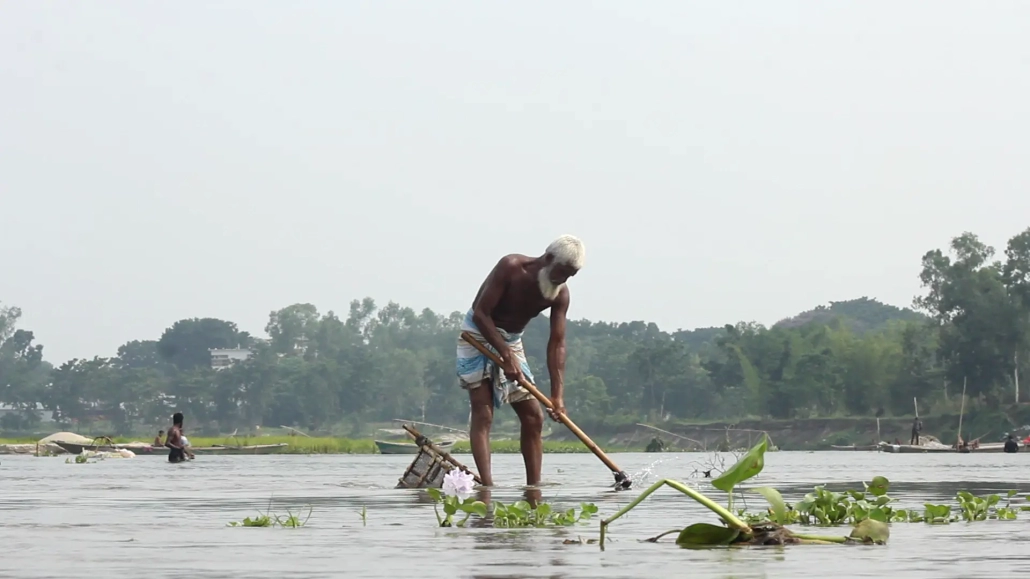
In northern Bangladesh, along the Karatoa River, pebble collectors endure brutal labour to supply the backbone of construction. Through the life of Mujibur Rahman—who began work at age ten and laboured for 56 years—this film reveals a forgotten community trapped in endless work with no security or recognition. Mujibur’s death from job-related illness exposes the human cost of this profession. Beyond one man’s story, the film calls for dignity, labour rights, and sustainable futures for the families left behind.
ABOUT THE DIRECTOR
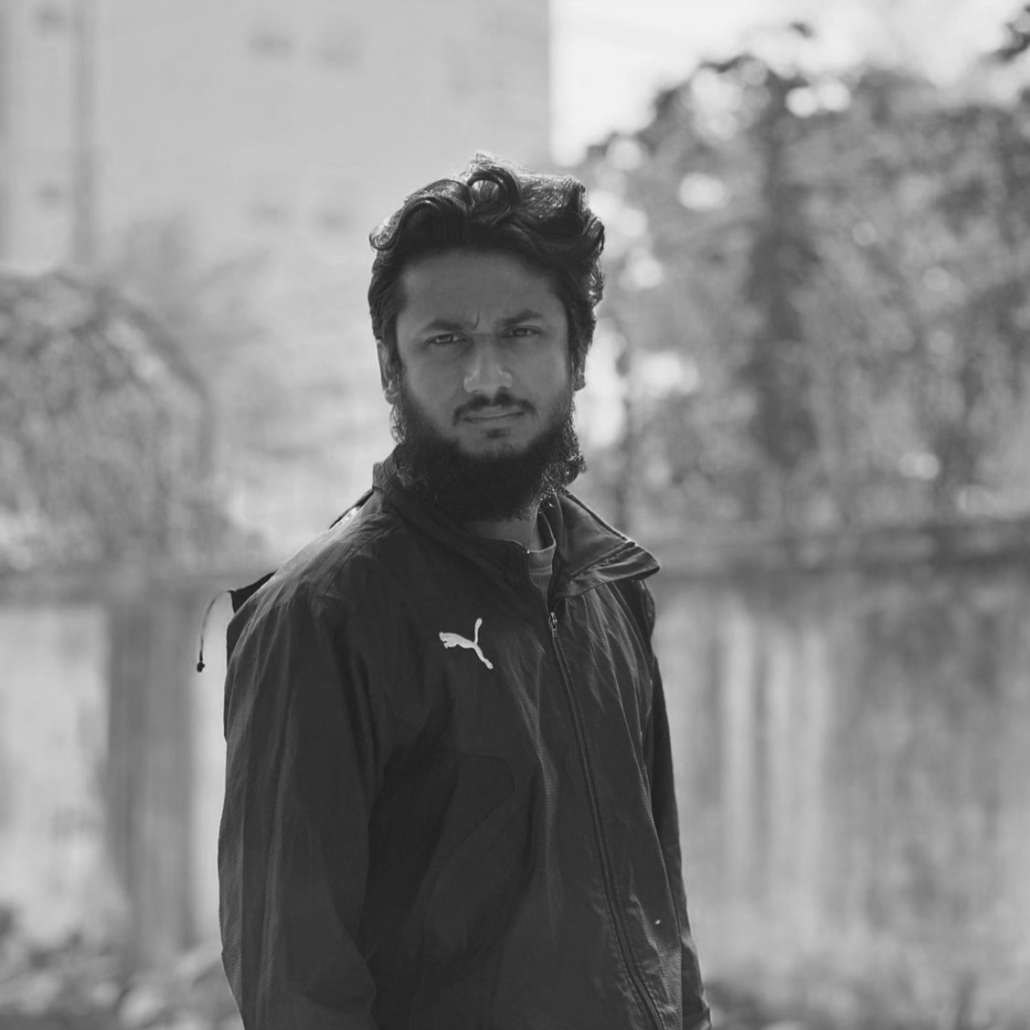
Shekh Shafi Abu Jafar Md. Saleh, known as Jafar Muhammad, is a Bangladeshi documentary filmmaker and researcher working at the intersection of ecology, society, and human resilience. His non-fiction films blend field research with poetic visual storytelling to explore environmental change and socio-political life. His debut ‘Pankauri’ received multiple national and international recognitions. Subsequent works, including ‘Don’t Panic! Organize!’ and ‘Bihongo Puran’, reflect his commitment to activist cinema that amplifies marginalized voices and reimagines human–nonhuman coexistence.
DIRECTOR’S STATEMENT
Almost seven years ago, during long nights of insomnia, I would walk to the banks of the Karatoa River. Its quiet flow and vast calm offered a rare sense of peace. Two years later, after losing my elder brother in a motorcycle accident, I was left emotionally shattered. Sitting by the river at dawn—watching the soft wind, the slow water, and the rising sun—became a form of healing.
I later moved to Dhaka for my studies, but even during those five years, my thoughts often returned to the Karatoa. Eventually, the river pulled me back to my village. There, I encountered the pebble collectors’ community and began spending time with them, listening, observing, and filming.
Among them, Mujibur Rahman stood out—quiet, composed, and deeply connected to the river, much like the river itself. What began as informal filming with my personal DSLR gradually became a deeper engagement with his life, his family, and his lifelong dependence on the Karatoa.

