
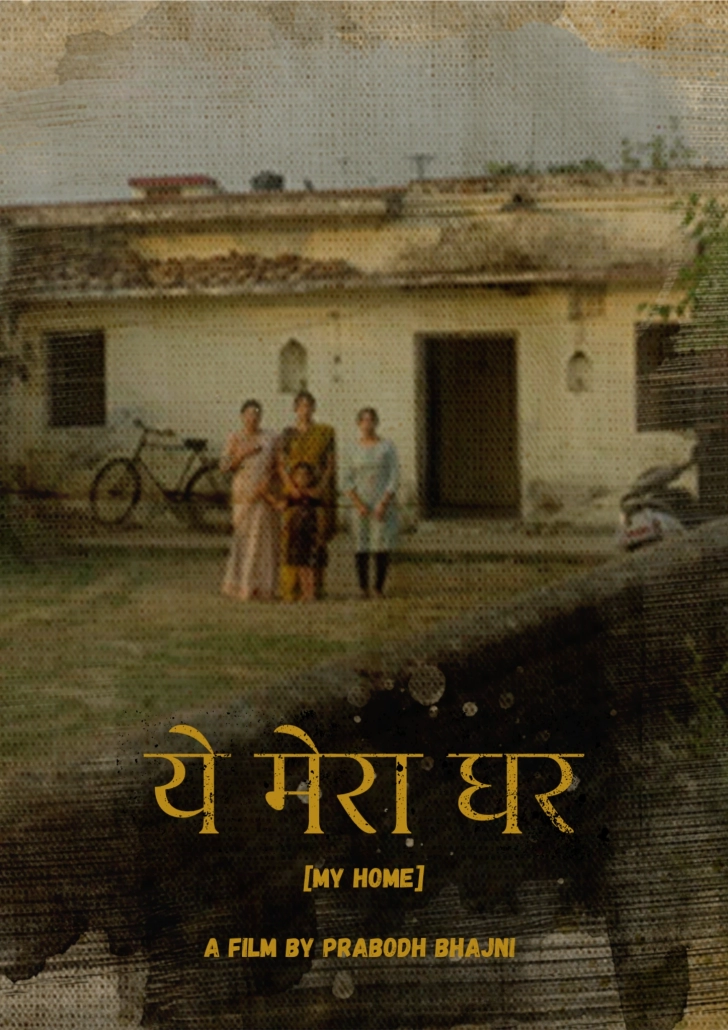
| TITLE OF THE FILM | My Home (Yeh Mera Ghar) |
| DIRECTED BY | Prabodh Bhajni |
| LANGUAGE | Hindi (English subtitles) |
| YEAR | 2025 |
| COUNTRY | India |
| DURATION | 132 minutes |
| SPECIAL NOTE | Kolkata Premiere |
PRINCIPAL CREW & CAST
| WRITING | Prabodh Bhajni |
| CINEMATOGRAPHY | Parv Dandona |
| EDITING | Prakhar Jajoria |
| SOUND | Siddharth Khushwaha |
| MUSIC | Ankush Sengupta |
| PRINCIPAL CAST | Sonal Jha, Faraz Khan, TJ Bhanu, Keya Ingle, Rrama Sharma |
ABOUT THE FILM
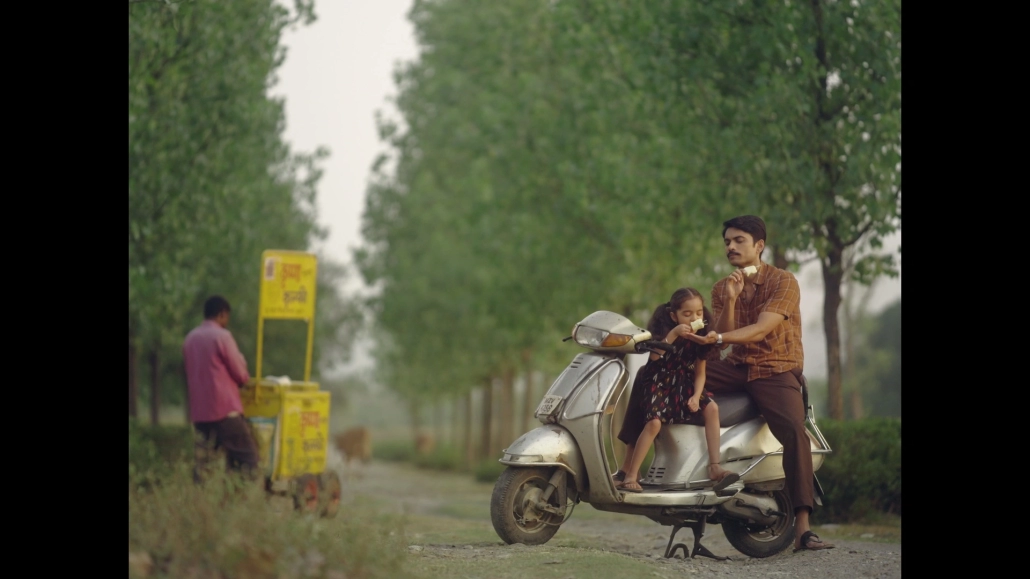
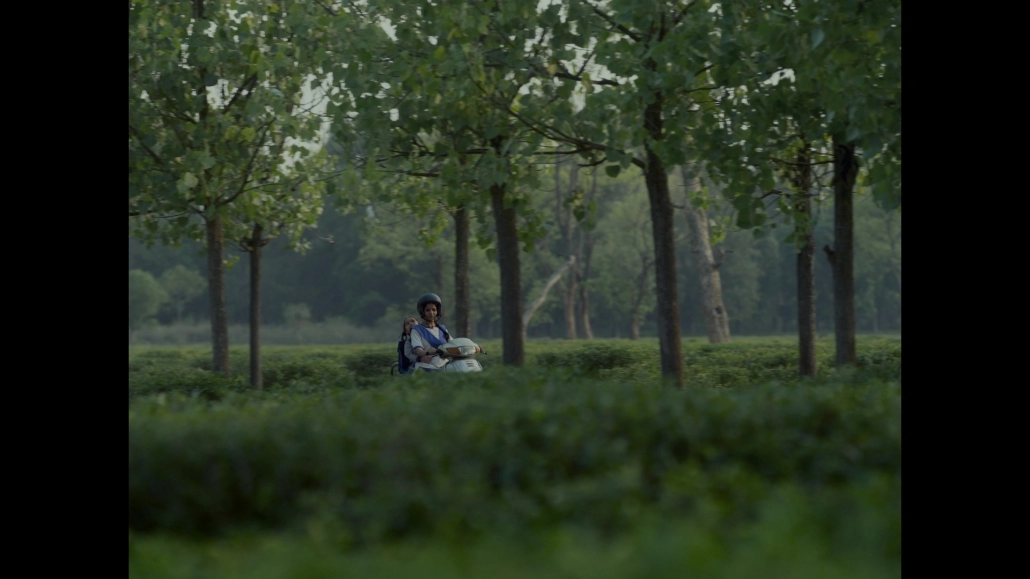
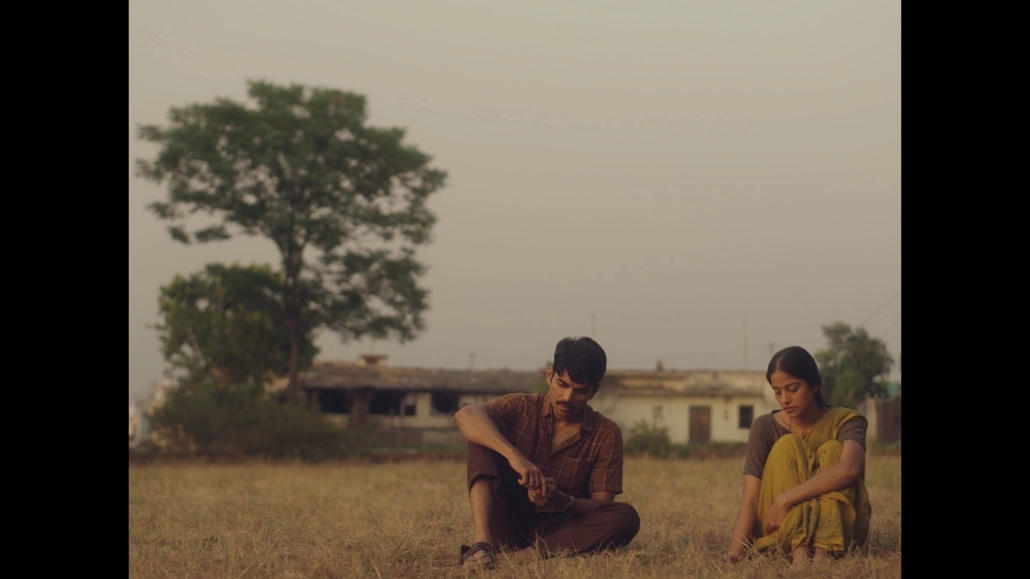
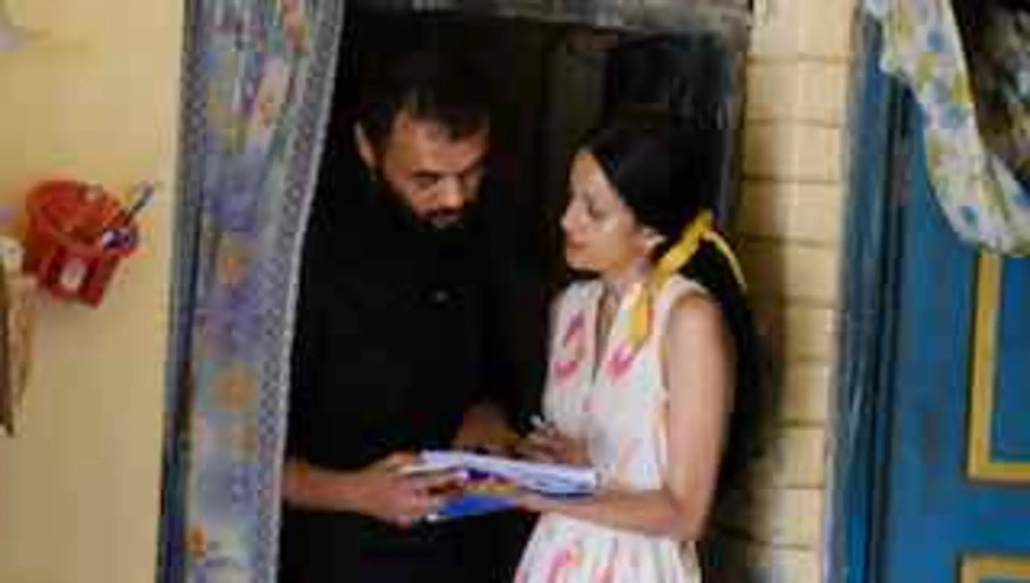
My Home is a heart-wrenching tale of love, loss, and longing — a story of four women waiting for the return of Mohan, a migrant worker and the family’s sole breadwinner. Over the years, their lives are defined by hope, yearning, and dreams that seem increasingly out of reach.
ABOUT THE DIRECTOR
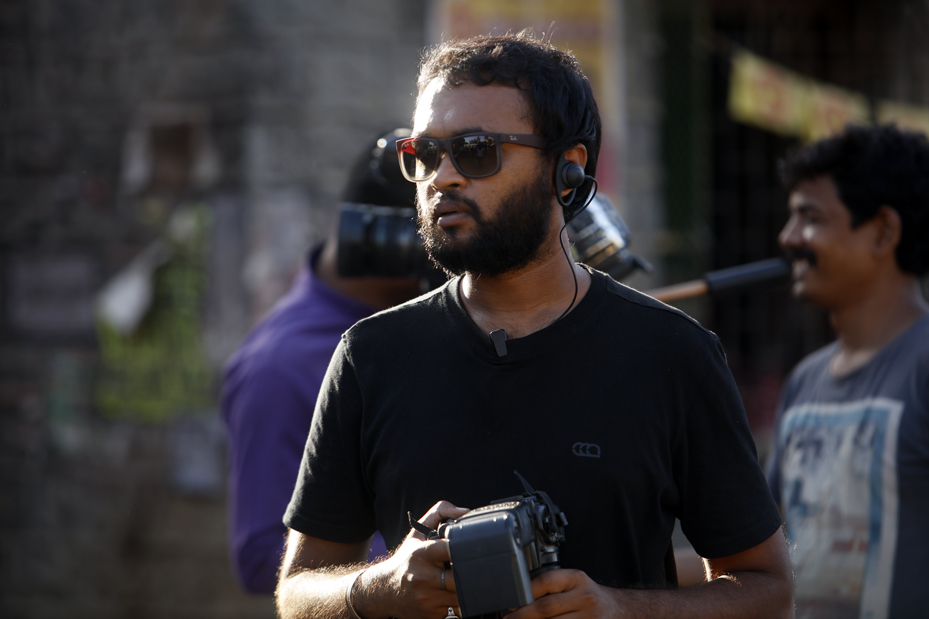
Prabodh is a filmmaker whose journey into cinema began with an unexpected passion for international wildlife documentaries, later evolving into a full-time profession.
He started as an assistant director, and has collaborated with filmmakers, including Roland Joffe, Goran Paskaljevic, Michael Fischer, Alexis Spariac, Jeffery Brown, William Ried, Meghna Gupta, and Devashish Makhija. As a director, Prabodh’s vision is rooted in emotionally and socially resonant story telling. His debut feature, ‘My Home,’ explores migration’s impact on families, weaving themes of longing, resilience, and systemic inequality. With a background in both international cinema and narrative storytelling, Prabodh seamlessly blends evocative visuals with layered character arcs. Prabodh believes in the transformative power of cinema — not just as a form of art, but as a medium for empathy and change.
DIRECTOR’S STATEMENT
At its heart, My Home is a story of waiting — of love stretched across time and distance, of longing that lingers in the quiet corners of a home. This film was not merely conceived but carried, over years, like an echo that never fades. Since 2016-17, I have sat with women whose lives are defined by absence. Women who wake up to emptiness and go to bed with longing. Women for whom time does not move forward but circles back, again and again, to the same unanswered questions. When I asked them, “What do you miss the most?” — words often failed. Instead, silence would take over. A pause heavy with unspeakable grief, a gaze dissolving into memory. I realized then that silence itself is a language, and I could not bring myself to edit out these silences because within them lived entire lifetimes.

