
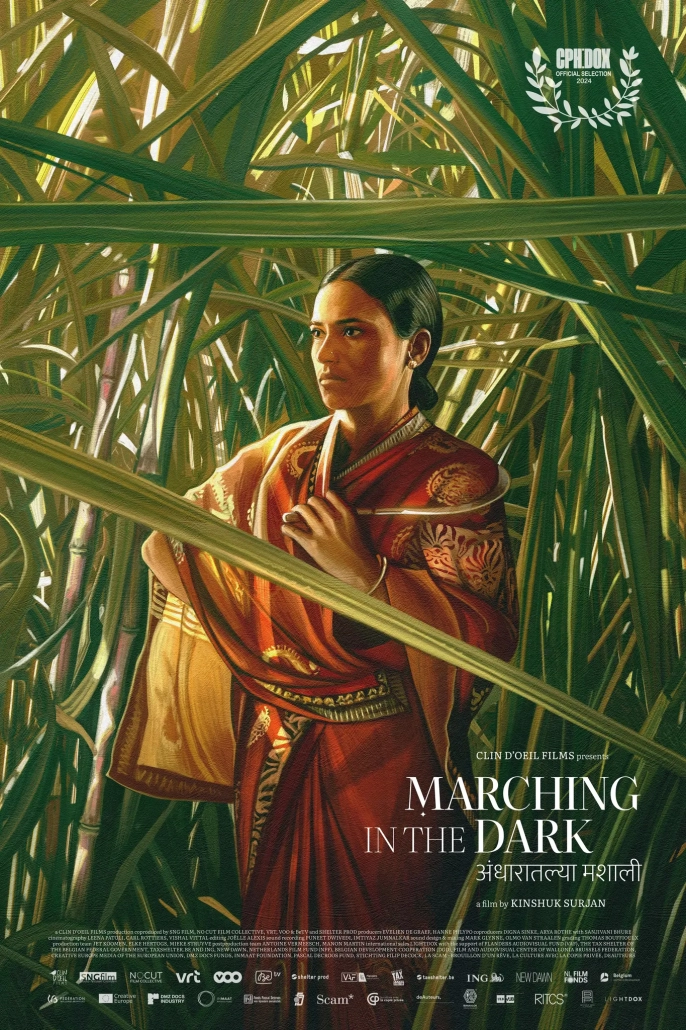
| TITLE OF THE FILM | Marching in the Dark |
| DIRECTED BY | Kinshuk Surjan |
| LANGUAGE | Marathi (English subtitles) |
| YEAR | 2024 |
| COUNTRY | India |
| DURATION | 105 minutes |
| SPECIAL NOTE | Kolkata Premiere |
PRINCIPAL CREW & CAST
| WRITING | Kinshuk Burjan, Sanjeevani Bhure |
| CINEMATOGRAPHY | Leena Patoli, Vishal vittal, Carl Rottiers |
| EDITING | Joelle Alexis |
| SOUND | Imtiyaj Jumnalkar, Puneet Dwivedi, Santwana Bayaskar |
| SOUND MIXING | Olmo van Straalen, Mark Glynne, Pim Stilts |
ABOUT THE FILM
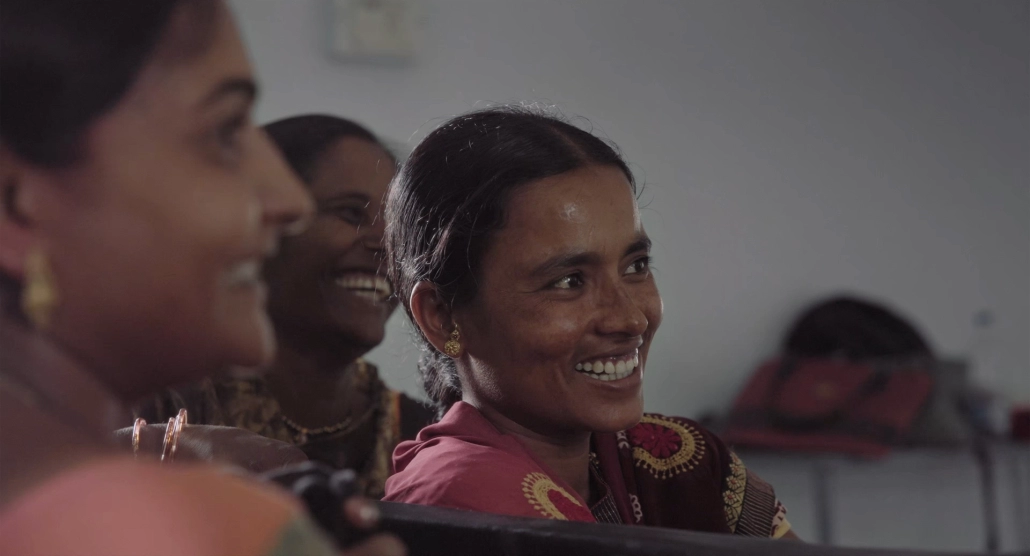
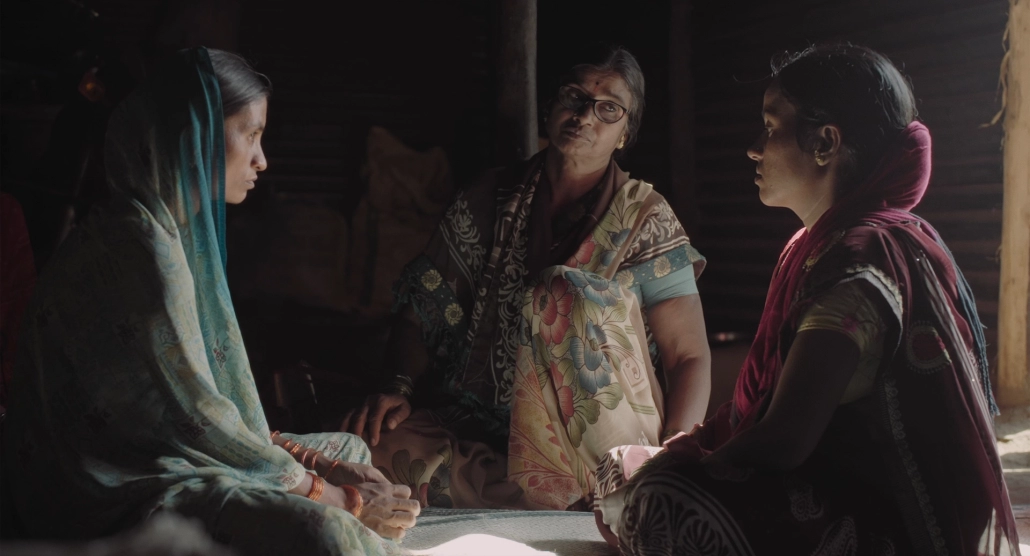
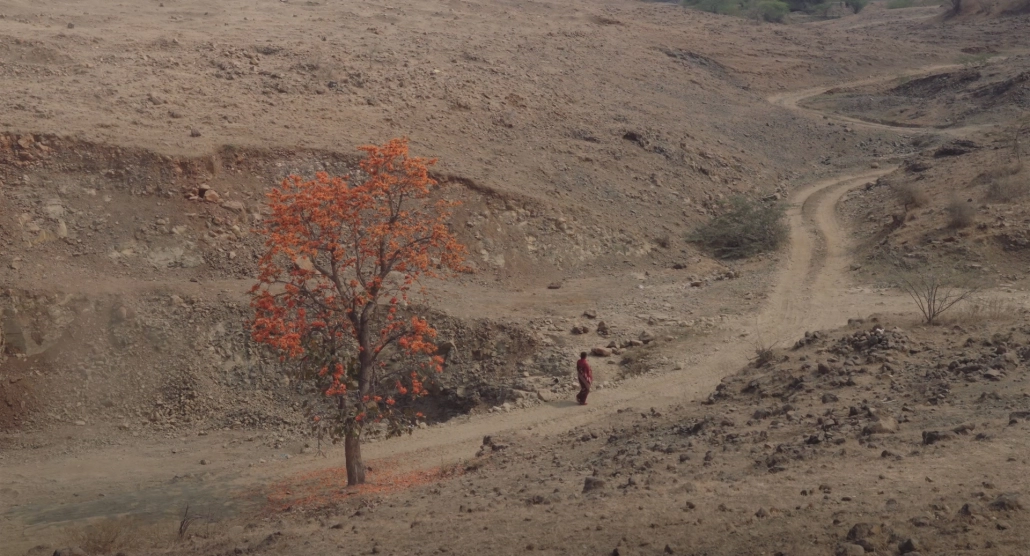
Amid an escalating crisis of farmer suicides, a young widow, Sanjeevani, intent on the seemingly impossible task of providing a better life for herself and her children, refuses to surrender to despair or the cultural ostracization of widows. In a quiet yet powerful act of resistance, she discovers a community of other widows, confronting, sharing, and collectively overcoming grief. Through this shared sisterhood, she forges a path forward, finding unexpected strength in being there for others like her.
ABOUT THE DIRECTOR
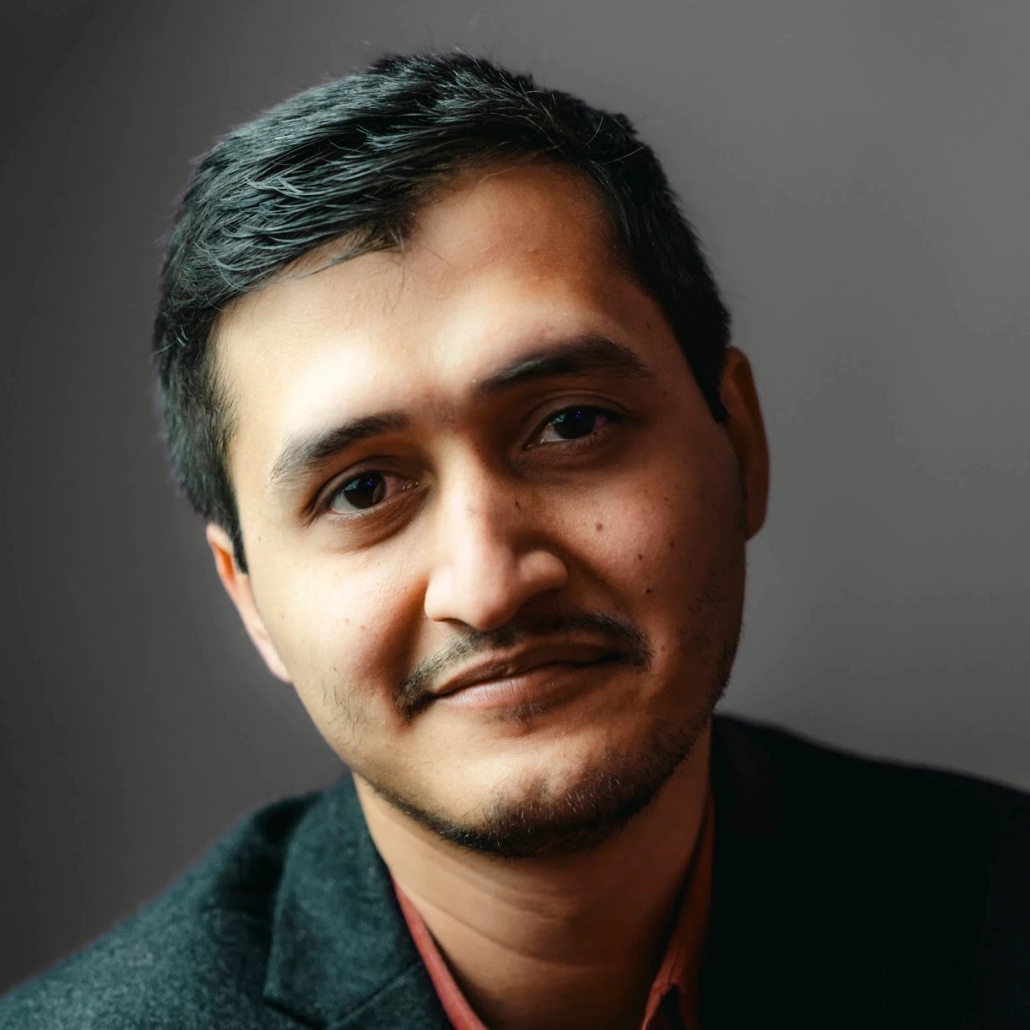
Kinshuk Surjan is an Indian filmmaker based between Brussels and Bhopal. His practice is rooted in rural cinema and in finding ways to engage reciprocally and meaningfully in the lives of others while making films.
He recently completed a doctorate in the arts at VUB and ULB in Brussels.
DIRECTOR’S STATEMENT
Growing up, I often overheard my late grandfather, a farmer, describe the worsening condition of our farms to my mother. My family has run a regional Hindi newspaper with socialist ideals since 1959. For a decade, I was aware of the rising farmer suicides but felt powerless to act—when has a film ever brought about perceptible change? Seeking answers, I travelled across Maharashtra’s Beed district, one of the hardest-hit areas, and met grieving families. Recently widowed women, their tears exhausted, grief hanging in silence — being a passerby felt criminal; filming seemed even crueller. Yet, I noticed fewer suicides among women farmers. I met resilient women like Sanjivani who take care of their families, are responsible for repaying their husbands’ loans after their suicides, and rebuild their lives from scratch while dealing with grief and social ostracization. What stood out was their conscientiousness in supporting other women in similar circumstances. We wondered: could there be a space for fostering such friendships and healing?
Over five years, our bond transcended the filmmaker-subject relationship. We shared everyday life –medical checkups, marriage arrangements, waiting for the birth of a calf, rushing to a distant hospital during a daughter’s labour, sudden deaths and funerals, rebuilding homes destroyed by rains by hand.
In 2022, during Rakhi, Sanjivani and I became brother and sister. Sanjivani’s words “When we meet others in grief, our own becomes insignificant,” became the subtext and reason for making this film.
What I learned from the women far surpasses anything I can reciprocate. Their friendship gave me the strength to support my mother through grieving my aunt’s death and find my courage. What began as an ideological desire became a passion for telling stories of my beloved.

