
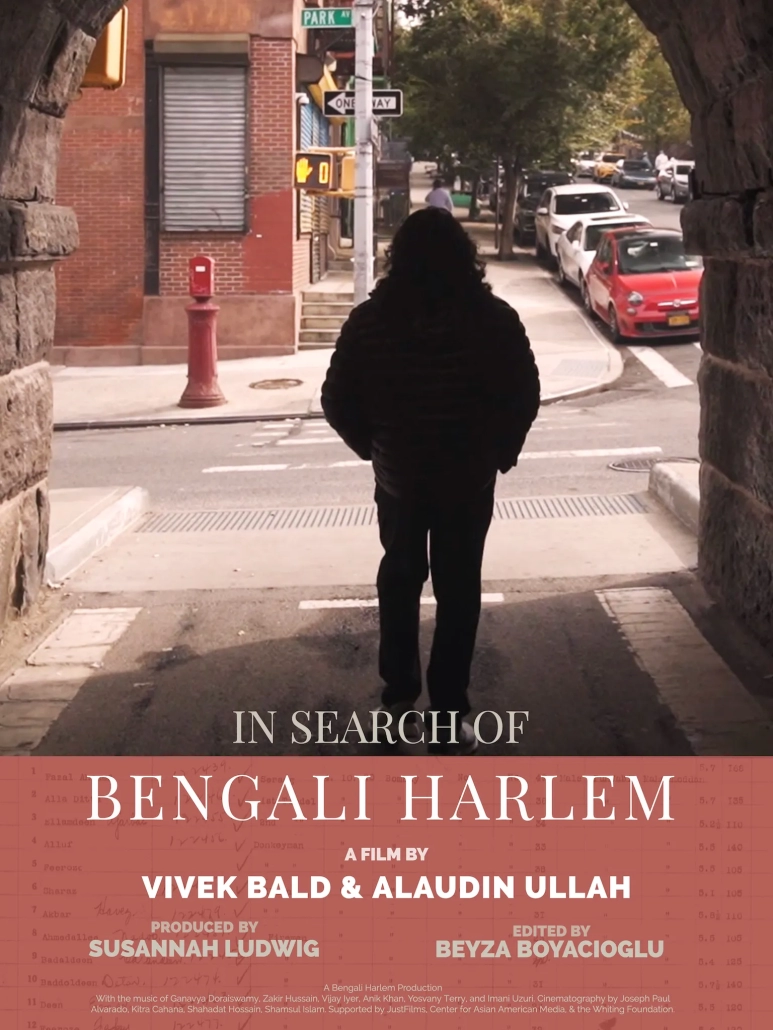
| TITLE OF THE FILM | In Search of Bengali Harlem |
| DIRECTED BY | Vivek Bald, Allaudin Ullah |
| LANGUAGE | English, Bengali (English subtitles) |
| YEAR | 2022 |
| COUNTRY | Bangladesh, USA |
| DURATION | 84 minutes |
| SPECIAL NOTE | Asian Premiere |
PRINCIPAL CREW & CAST
| WRITING | Alaudin Ullah, Vivek Bald, Beyza Boyacioglu |
| CINEMATOGRAPHY | Shahadat Hossain, Shamsul Islam, Kitra Cahana, Joseph Alvarado |
| EDITING | Beyza Boyacioglu |
| SOUND DESIGN & MIXING | Evan Benjamin |
| MUSIC | Vijay Iyer, Zakir Hussain, Ganavya Doraiswamy, Yosvany Terry, Imani Uzuri, Anik Khan |
| PRINCIPAL CAST | Alaudin Ullah, Mohima Ullah, Karim Ullah, Habib Ullah, Jr., Zuleika Abdul, Noorzahan Karim Aditya, Jolikha Ali, Ruth Ali, Nurul Amin, Jr., Vivek Bald |
ABOUT THE FILM
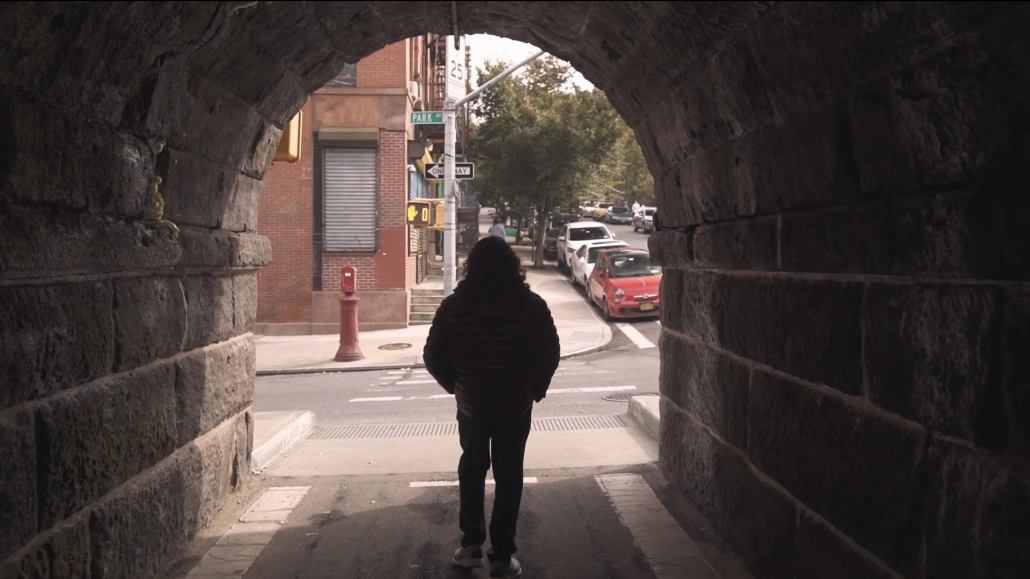
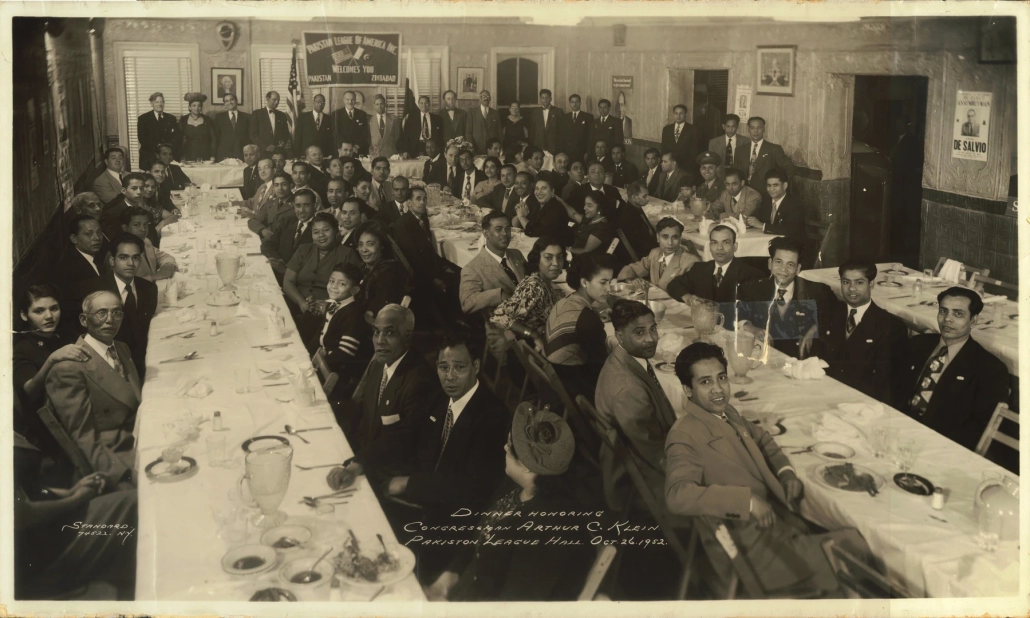
As a teenager in 1980s New York City, Alaudin Ullah was swept up in the revolutionary energy of hip-hop. He rebelled against his Bangladeshi immigrant parents and rejected his roots. Now a playwright contending with rampant Islamophobic stereotypes in the U.S., Alaudin sets out to piece together and tell his parents’ stories. In Search Of Bengali Harlem follows his quest from the streets of Harlem to the villages of Bangladesh, uncovering a remarkable intertwined history of South Asian Muslims, African Americans, and Puerto Ricans in 1930s-50s New York, and discovering the difficulty – and necessity – of inter-generational healing.


ABOUT THE DIRECTOR
Vivek Bald is an award-winning filmmaker, writer, and scholar. His work over the past twenty-five years has explored the stories and experiences of South Asians in the U.S. and Britain. Bald’s first documentary, Taxi-vala/Auto- biography (1994) examined the lives, struggles, and activism of New York City taxi drivers from India, Pakistan, and Bangladesh. Mutiny: Asians Storm British Music (2003), focused on South Asian youth, music, and anti-racist activism in 1970s-90s Britain. He is also author of Bengali Harlem and the Lost Histories of South Asian America (2013) a work that has become a cornerstone of South Asian American historiography.
DIRECTOR’S STATEMENT
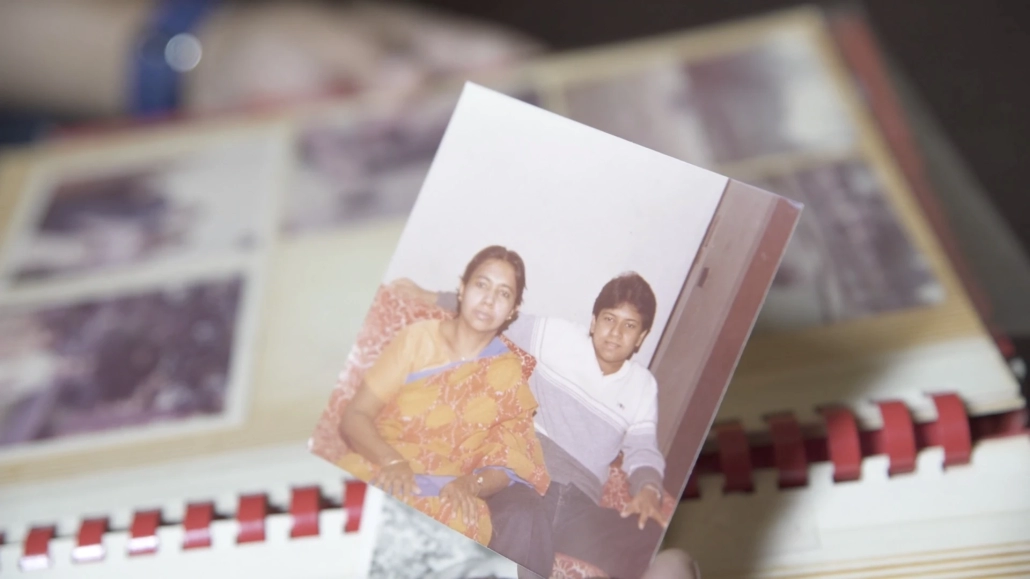
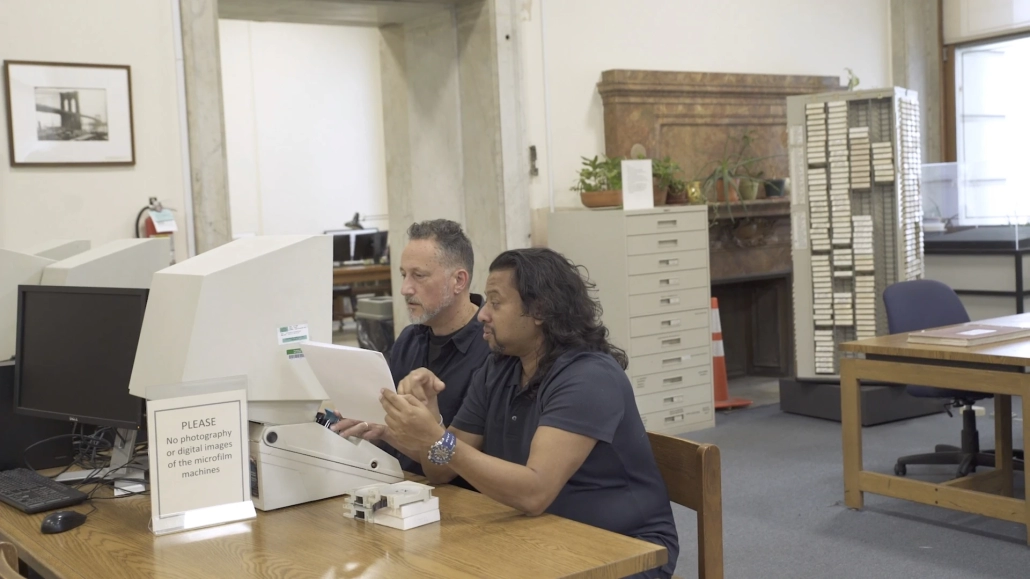
When Alaudin and I met in the late 1990s and began making a documentary about his father, Habib, neither of us realized we were embarking on a journey that would consume a large part of our lives. Alaudin had a long list of personal questions that he sought to answer about Habib, and I had just as many historical ones. The personal questions could only be answered by tracking down friends and family who knew Habib decades ago; the historical questions, required tracking down hundreds of documents scattered across multiple archives in the U.S. and Britain. When it became clear that Alaudin’s Bangladeshi mother – now gravely ill – had her own hidden story, Alaudin felt there was no option but to travel far beyond his comfort zone, halfway around the world to his parents’ ancestral villages, to speak with family members he barely knew.
In Search of Bengali Harlem takes viewers along on this years-long journey – one that leads to a new understanding of Alaudin’s parents, and transforms our understanding of South Asian migration to the U.S. The film challenges the assumption that South Asians are “new” and “recent” immigrants to the U.S. and complicates the image of South Asians as doctors, engineers, and tech CEOs welcomed, as model minorities, into the fold of a multicultural U.S.

