
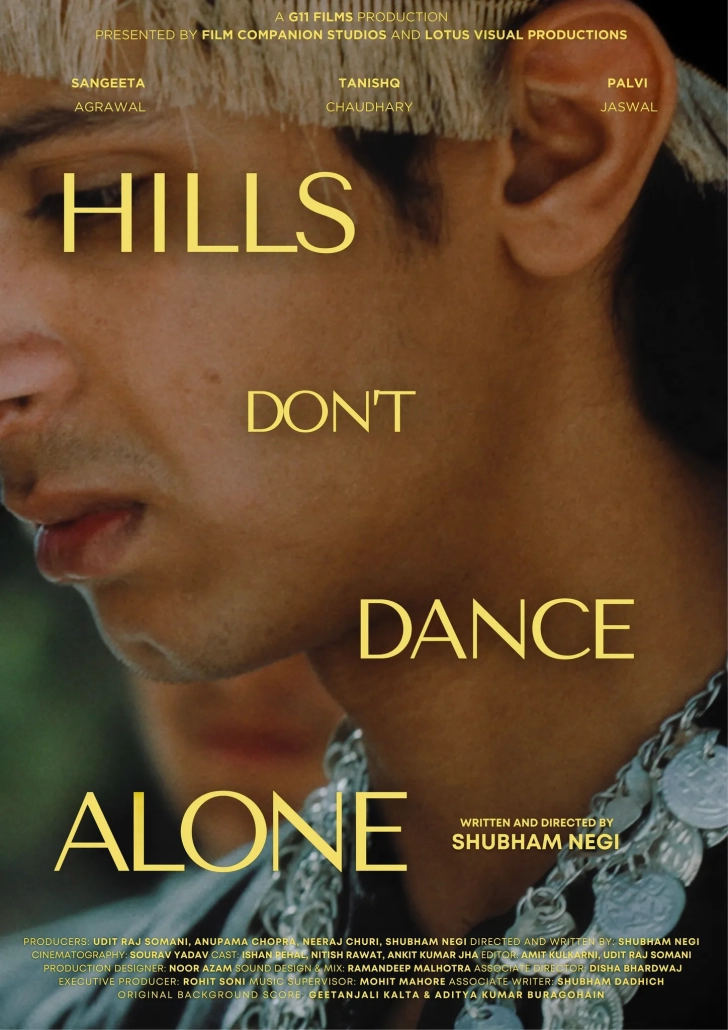
| TITLE OF THE FILM | Hills Don’t Dance Alone |
| DIRECTED BY | Shubham Negi |
| LANGUAGE | Hindi, Pahari (English subtitles) |
| YEAR | 2025 |
| COUNTRY | India |
| DURATION | 24 minutes |
| SPECIAL NOTE | Indian Premiere |
PRINCIPAL CREW & CAST
| WRITING | Shubham Negi |
| CINEMATOGRAPHY | Sourav Yadav |
| EDITING | Amit Kulkarni, Udit Raj Somani |
| LOCATION SOUND | Sneha Sundar, Achuth Sahadevan |
| SOUND DESIGN & MIXING | Ramandeep Malhotra |
| MUSIC | Mohit Mahore, Geetanjali Kalta, Aditya Kumar Buragohain |
| PRINCIPAL CAST | Sangeeta Agrawal, Tanishq Chaudhary, Palvi Jaswal |
ABOUT THE FILM
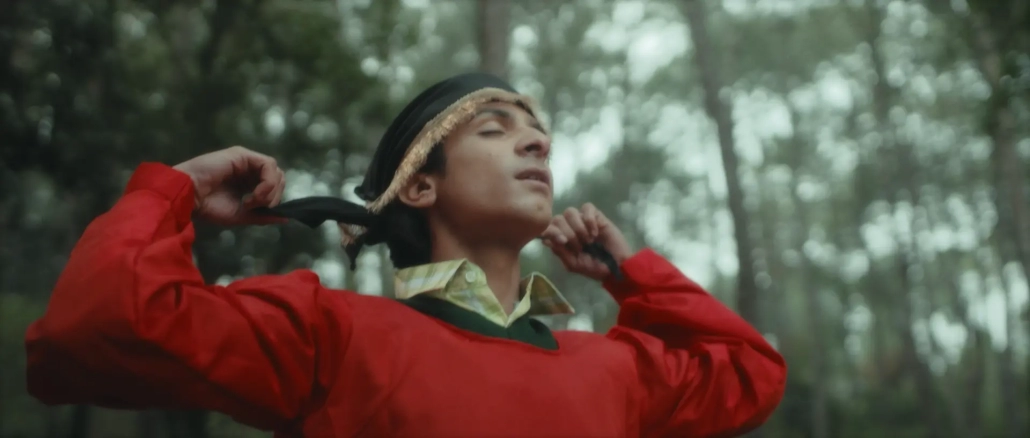
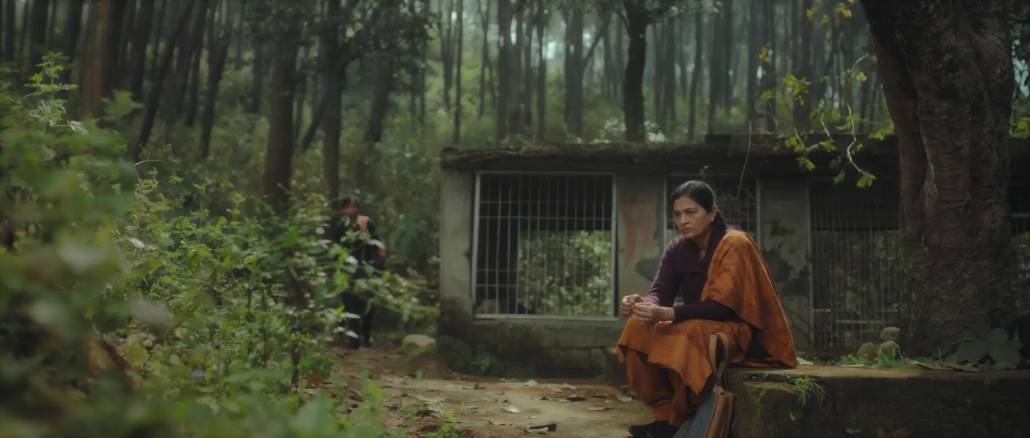
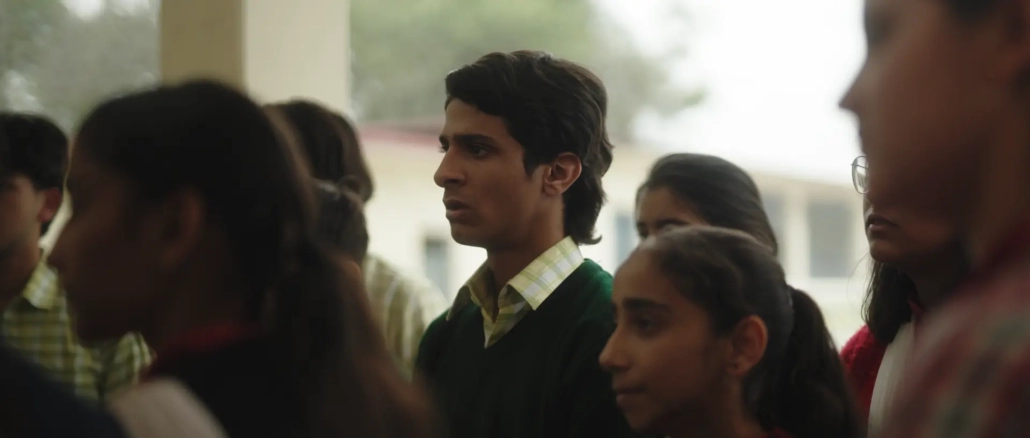
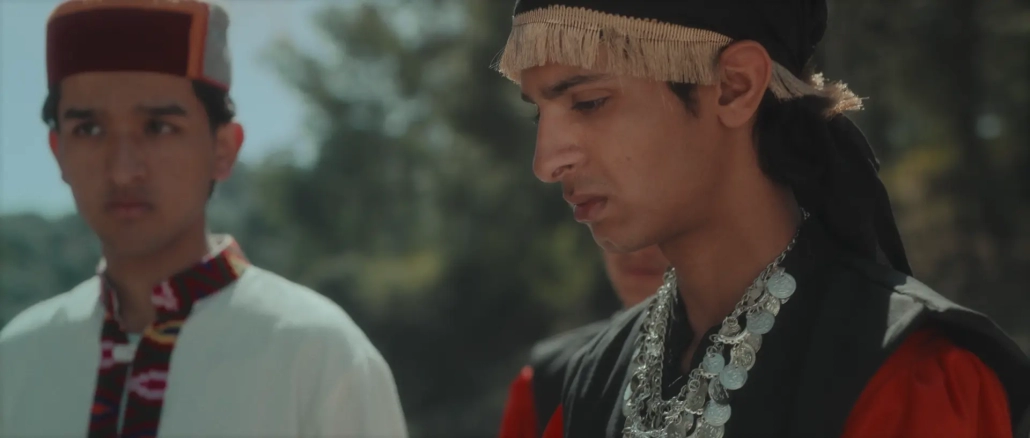
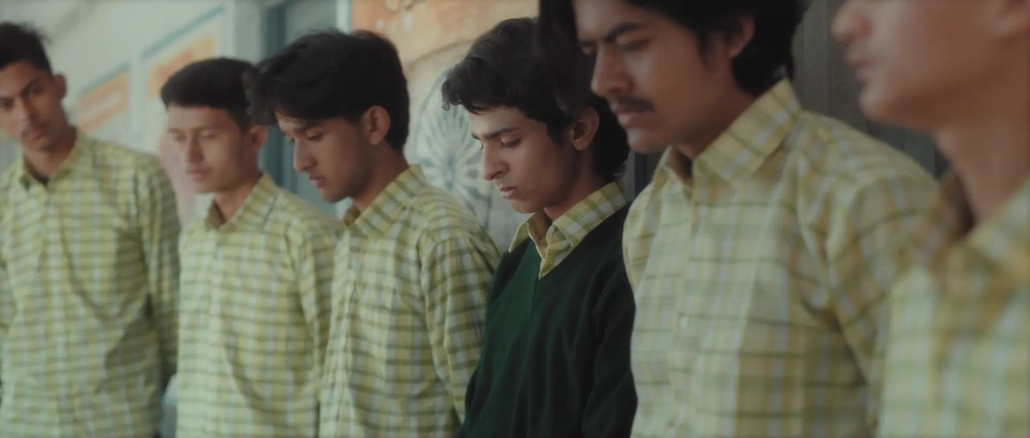
At a school in the Himalayas, fifteen-year-old Sachin is bullied for cross-dressing in a folk dance performance. Anju, the middle-aged vice principal of the school, steps in, but it unravels more than she anticipated. As both quietly navigate their secret struggles, their lives begin to intertwine, forming a bond that neither can name but both need.
ABOUT THE DIRECTOR
Shubham Negi is a poet, writer, and filmmaker from Himachal Pradesh. He is a recipient of Film Companion and Netflix’s TakeTen Grant (2024). His short film ‘Hills Don’t Dance Alone’ won the Best International Short at MISAFF and premiered at multiple film festivals. His debut feature Soma Helang developed through the Writer’s Ink Lab, was selected at the NFDC Co-Production Market (2024). Shubham is a fellow of the QueerFrames Screenwriting Lab. His short film ‘Makeup Room’ won the QDrishti Production Grant. He was part of Netflix’s Fund for Creative Equity cohort at Busan IFF 2024.
DIRECTOR’S STATEMENT
The early act of erasure is not rejection, it is distance. The belief that queerness exists ‘elsewhere’ allows communities to ignore it within themselves. I wanted to make a film that resists this. And for that, I put queer characters right at the centre of a Himachali village. Moreover, being from these hills, I wanted to move beyond the picturesque drone shots of mountains. It’s time to lower the lens, step into homes, and unearth the untold stories hidden in these surroundings.
Through this film, I also wanted to trace how chosen families are formed, in corners where this vocabulary doesn’t exist. These are people who are going through similar experiences, without having the labels of the upper class to describe them. And dare I say that by making this film, I found a new sense of family in my surroundings as well. We shot the film in my village, and the way everyone came together to make it a reality, the way people reacted when a boy danced in a ghaghra in front of them, made me cry, along with every crew member present.

