


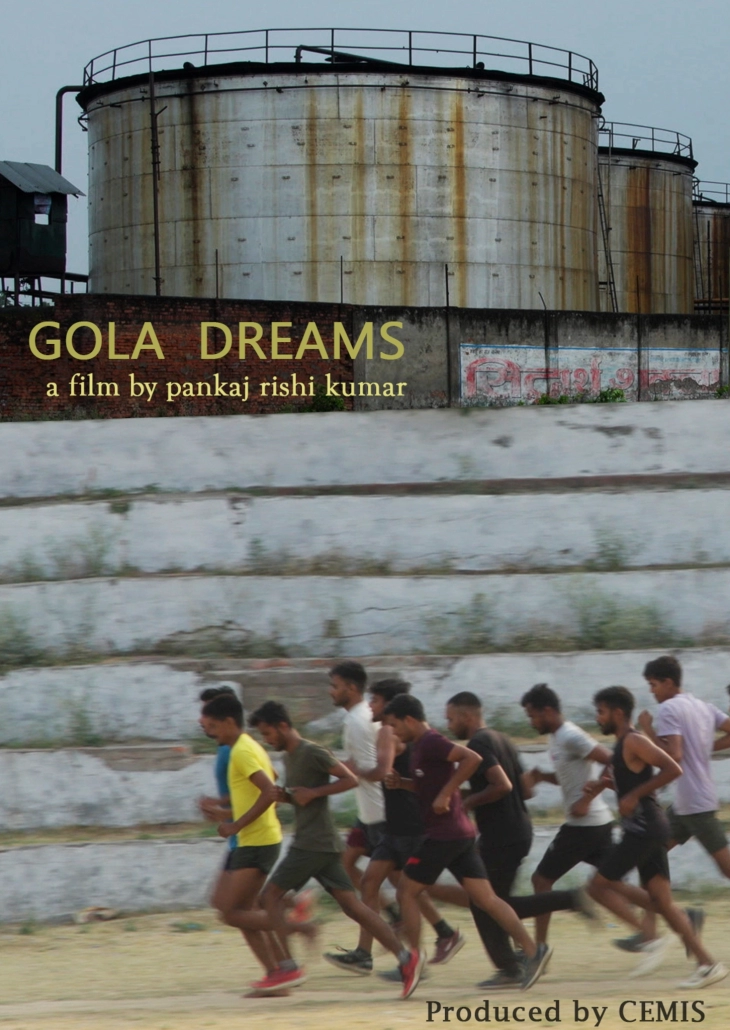
| TITLE OF THE FILM | Gola Dreams |
| DIRECTED BY | Pankaj Rishi Kumar |
| LANGUAGE | Hindi (English subtitles) |
| YEAR | 2025 |
| COUNTRY | India |
| DURATION | 51 minutes |
| SPECIAL NOTE | Kolkata Premiere |
PRINCIPAL CREW & CAST
| WRITING | Pankaj Rishi Kumar |
| CINEMATOGRAPHY | Pankaj Rishi Kumar |
| EDITING | Pankaj Rishi Kumar |
| LOCATION SOUND | Pankaj Rishi Kumar |
| SOUND DESIGN | Pankaj Rishi Kumar & Pritam Das |
| SOUND MIXING | Pritam Das |
ABOUT THE FILM
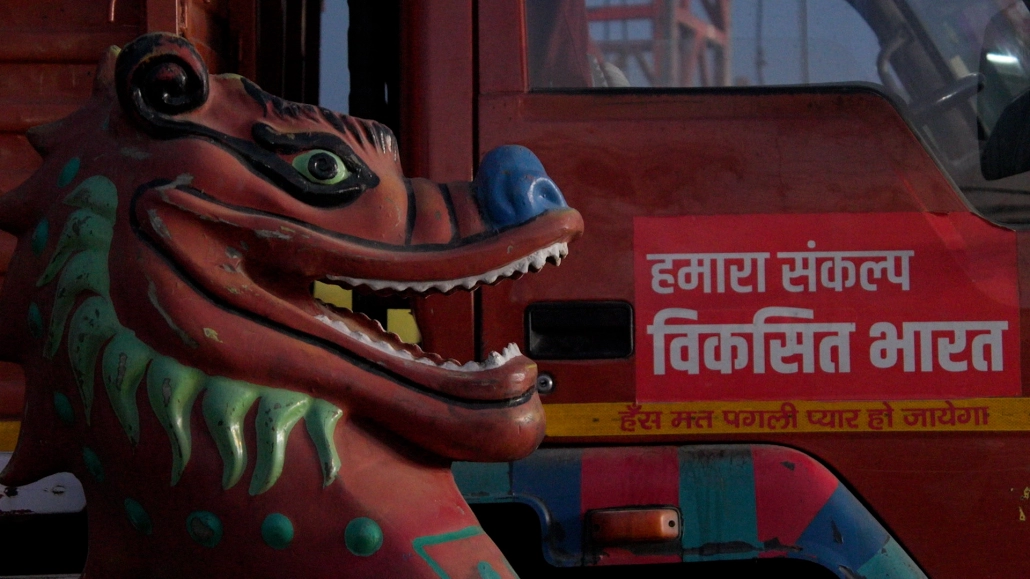
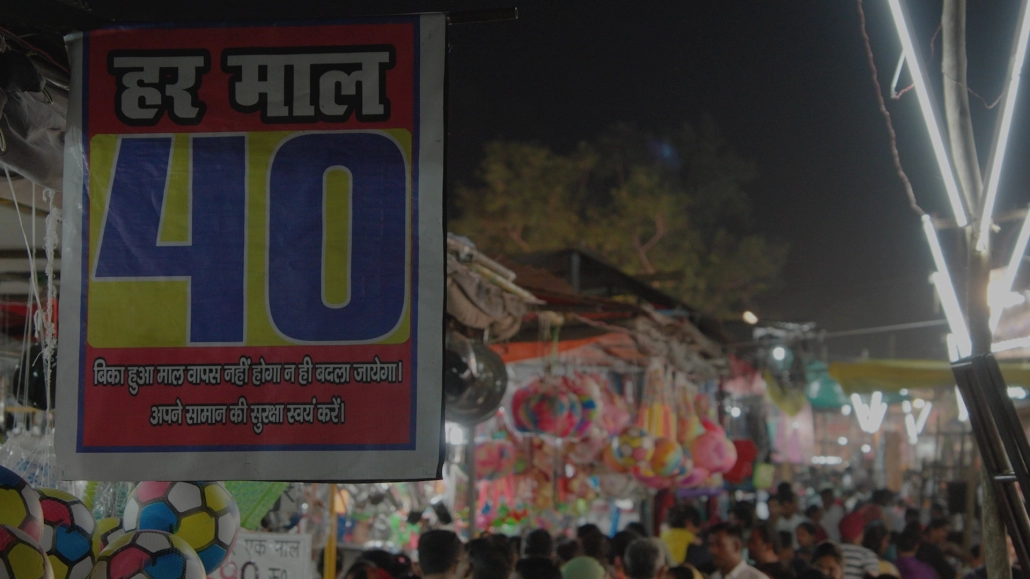
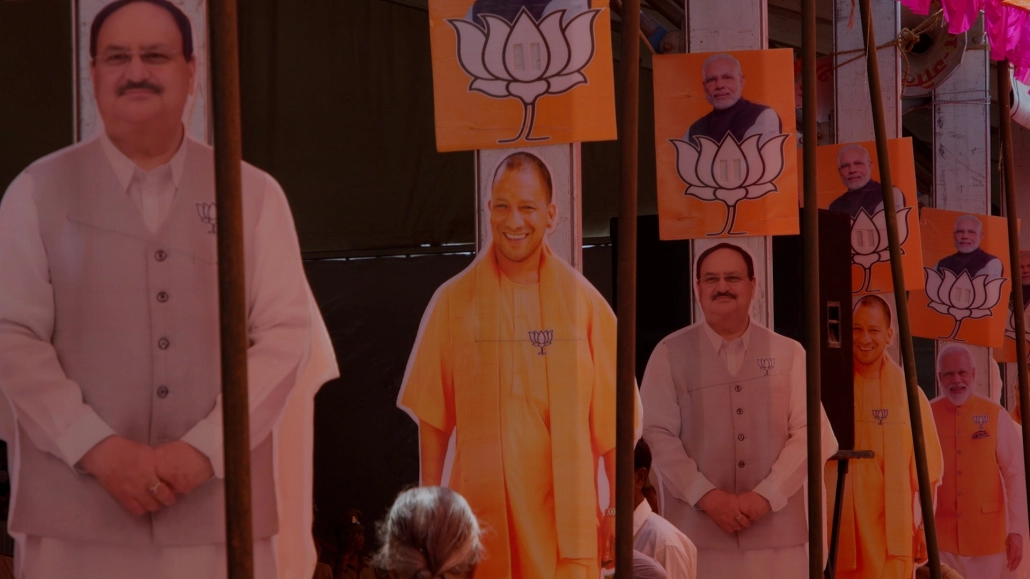
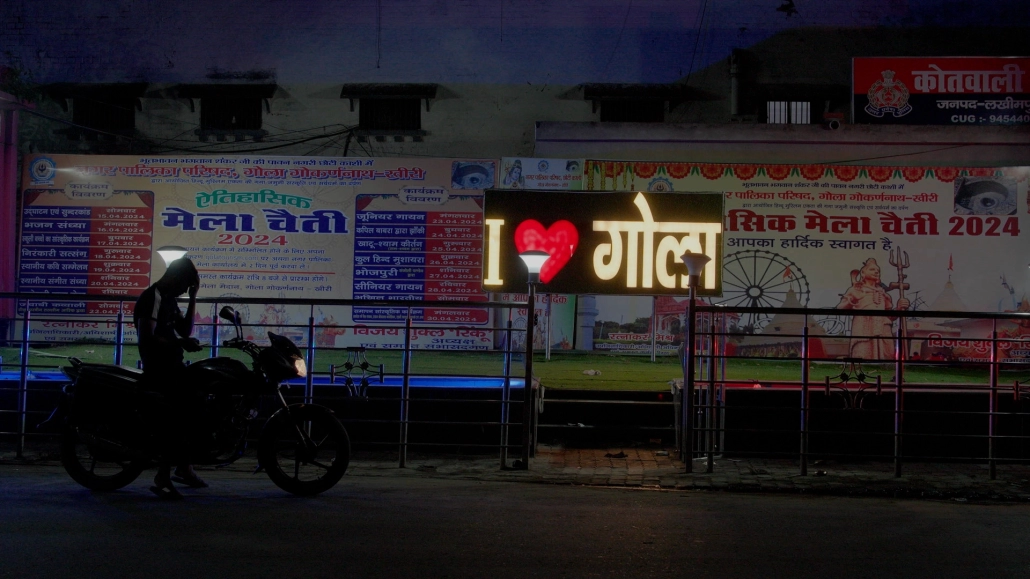
Gola Dreams journeys into the heart of Gola Gokarannath, a “Choti Kashi” in Uttar Pradesh, during the 2024 Lok Sabha elections. Through the lives of Surendra, a Dalit reporter with a near-invisible YouTube channel; Imran, an idealistic auto driver; and the town’s young army aspirants, the film uncovers stories of disenchantment, resilience, and hope. Against a backdrop of rallies, a defunct sugar mill, and a carnival-like mela, the film reveals a democracy both vibrant and broken. As rain floods polling day, Gola Dreams becomes a lyrical meditation on aspiration, marginalisation, and the fragile promises of India’s electoral theatre.
ABOUT THE DIRECTOR
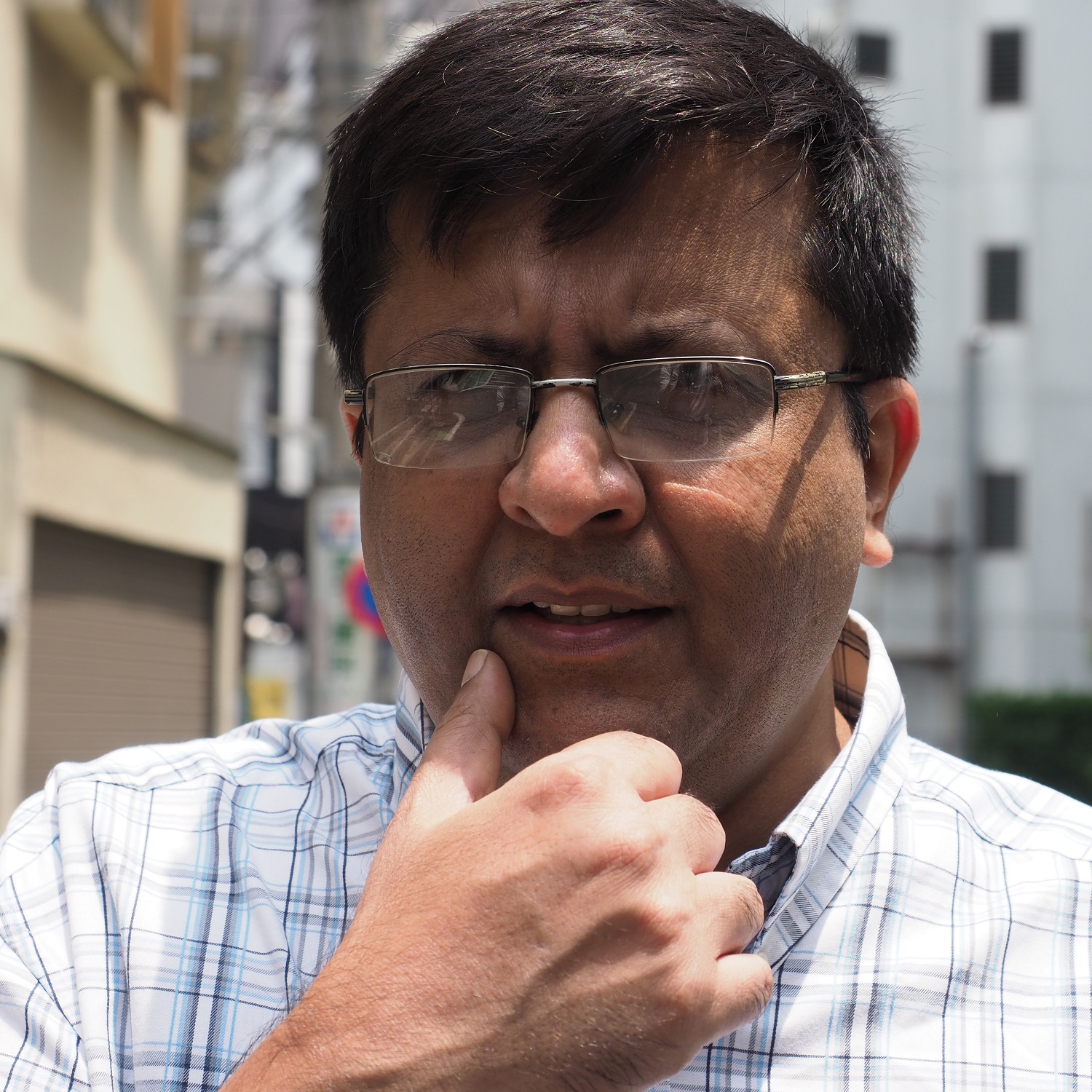
Pankaj graduated from FTII Pune (1992). His first film was ‘Kumar Talkies’. Subsequently, Pankaj has become a one-man crew. Since 2012 he has been actively documenting in Pondicherry (a former French colony). ‘Two Flags’, ‘Janani’s Juliet’ (India’s official entry to Oscars) and ‘To Die a Frenchman’ (World Premiere, Rotterdam, Jan 2026) are 3 films based out of Pondicherry. His films have been screened at film festivals all over the world. He has won grants from Hubert Bals, IFA, Jan Vrijman, AND/DMZ (Korea), Banff, Majlis, Sarai and Pad.ma. Pankaj is an alumnus of Asia Society- Harvard Asia Centre, Asian Film Academy (Busan) and Berlin Talents. Pankaj also curates and teaches.
DIRECTOR’S STATEMENT
Gola Dreams is a cinematic exploration of democracy unfolding in a small town, Gola Gokarannath, where hope, despair, and disillusionment coexist. My vision is to illuminate the stories of marginalized individuals —Surendra, the determined Dalit reporter; Imran, the under-employed driver; and young army aspirants — whose lives reflect the deeper struggles of political neglect, systemic injustice, and economic stagnation. Intercut with election rallies, the abandoned sugar mill, the town’s annual mela, and the symbolic monsoon rain, the film seeks to portray the Indian election as a carnival masking harsh realities. This is a personal, observational journey into power, identity, and resistance.

