
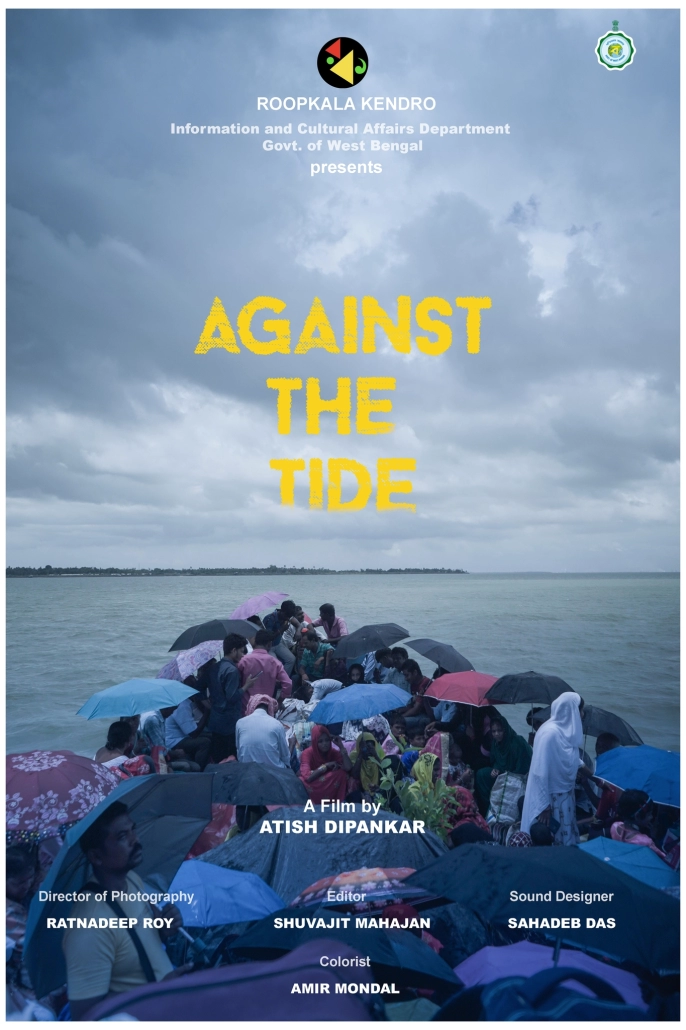
| TITLE OF THE FILM | Against The Tide |
| DIRECTED BY | Atish Dipankar |
| LANGUAGE | Bengali (English subtitles) |
| YEAR | 2024 |
| COUNTRY | India |
| DURATION | 24 minutes 55 seconds |
PRINCIPAL CREW & CAST
| WRITING | Atish Dipankar |
| CINEMATOGRAPHY | Ratnadeep Roy |
| EDITING | Shuvajit Mahajan |
| LOCATION SOUND | Sahadeb Das |
| SOUND DESIGN & MIXING | Sahadeb Das |
ABOUT THE FILM
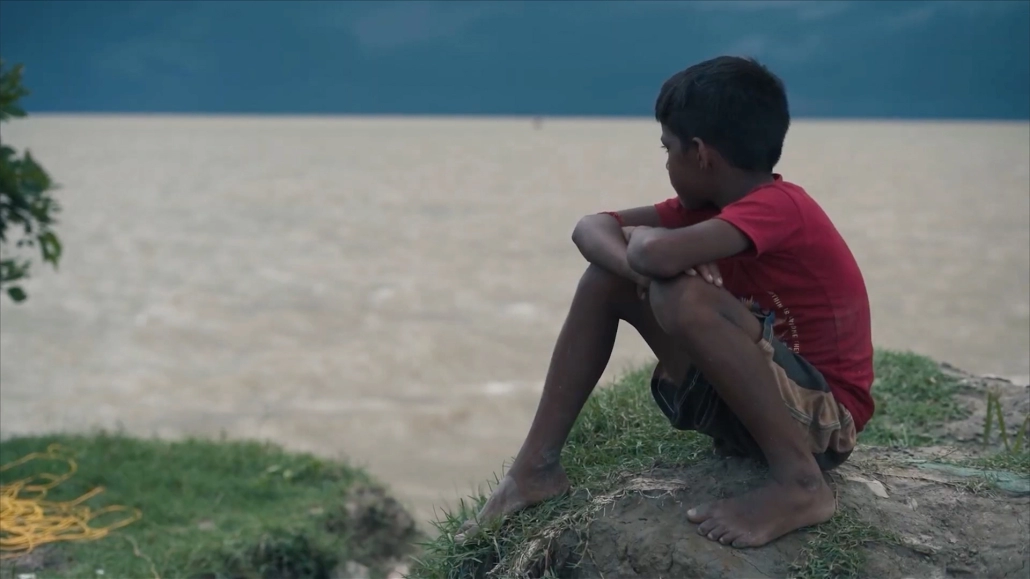
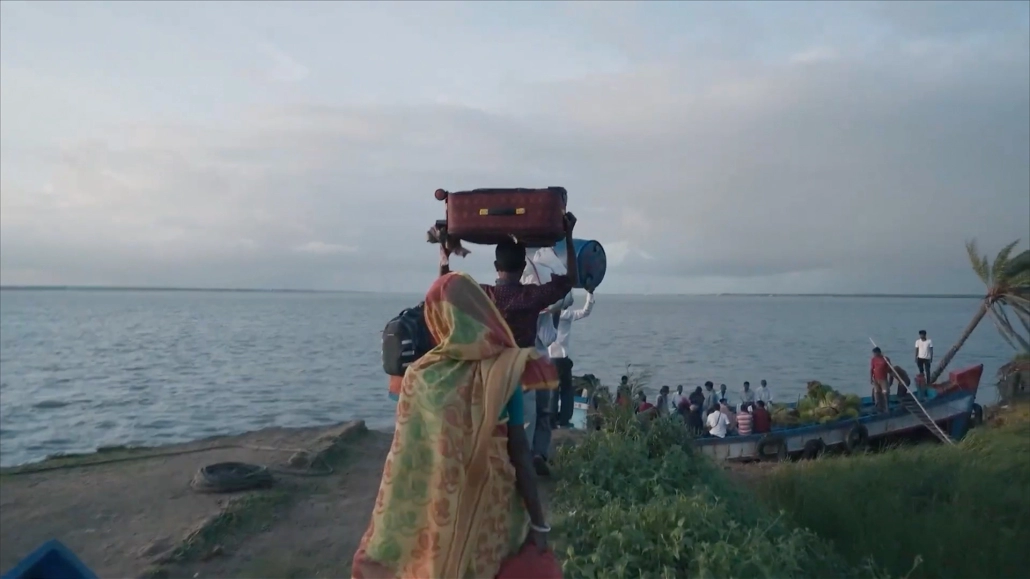
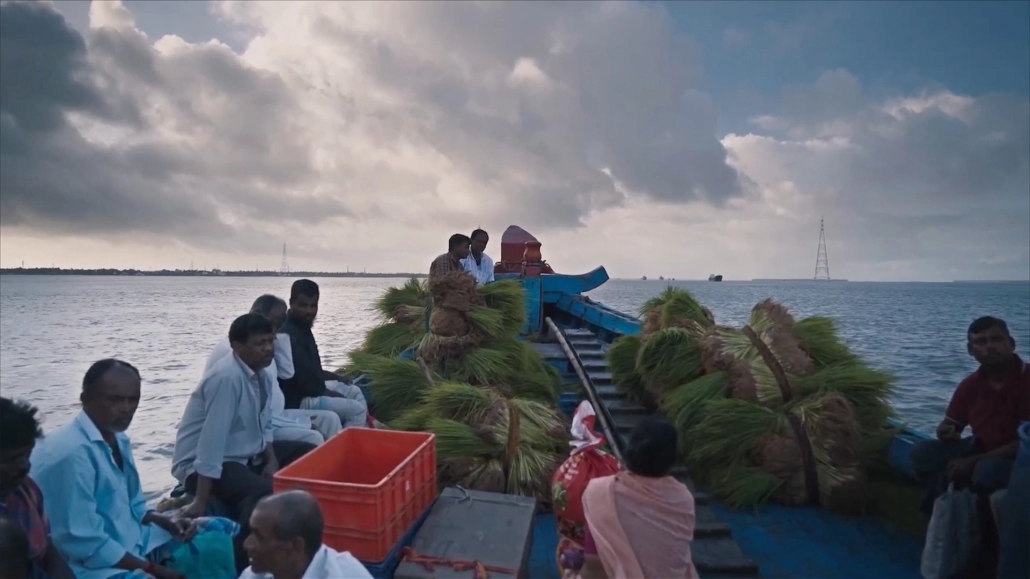
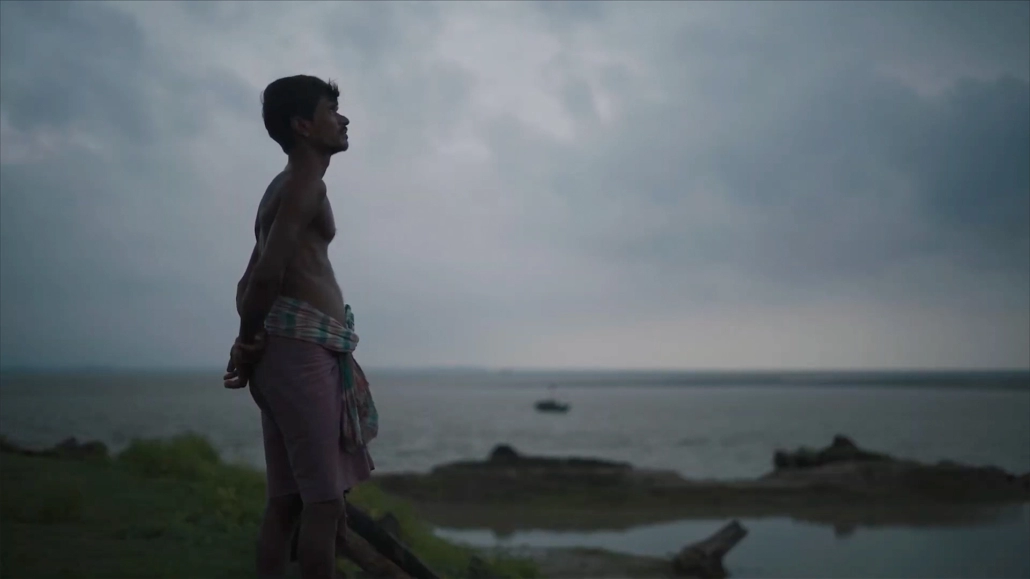
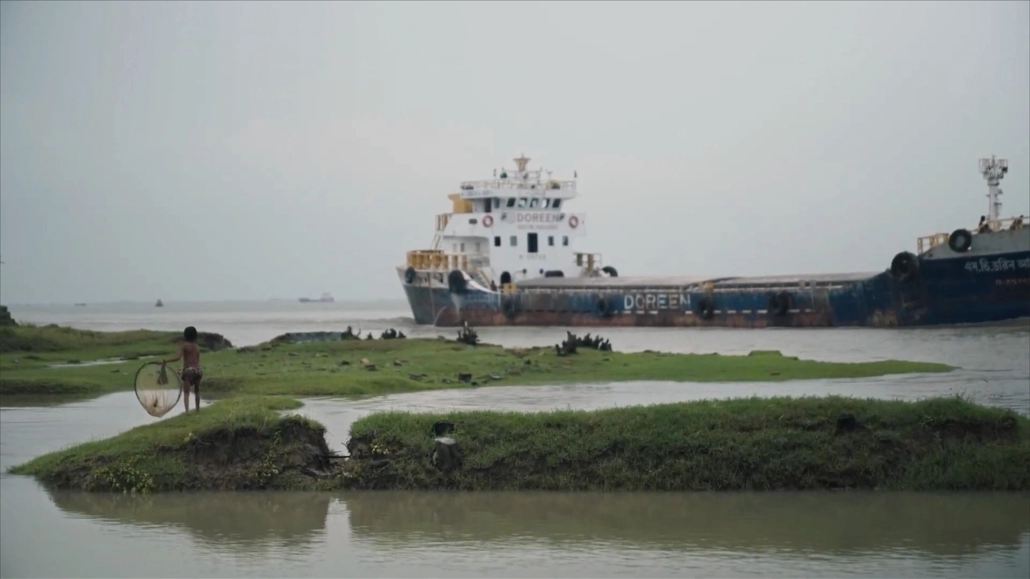
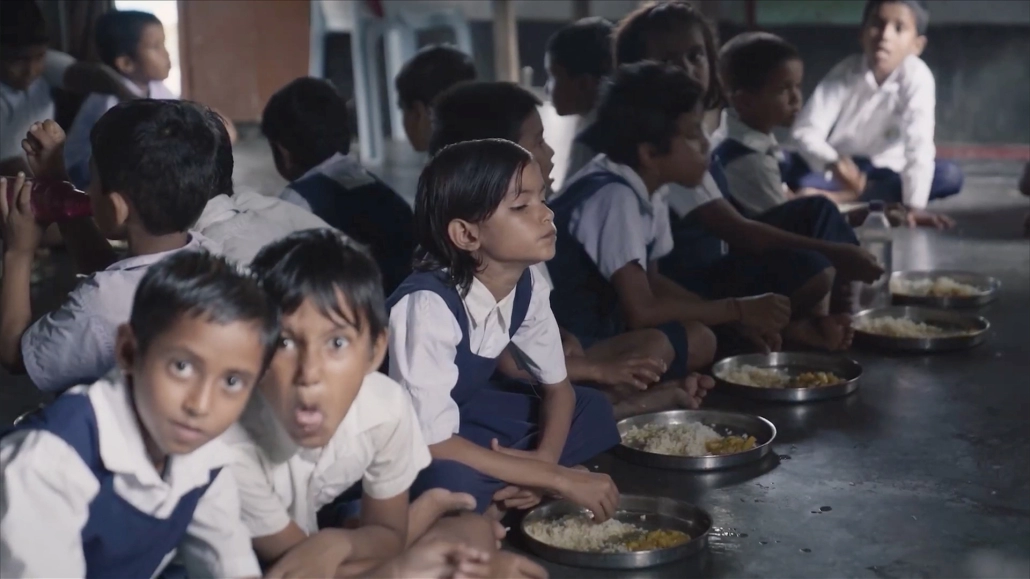
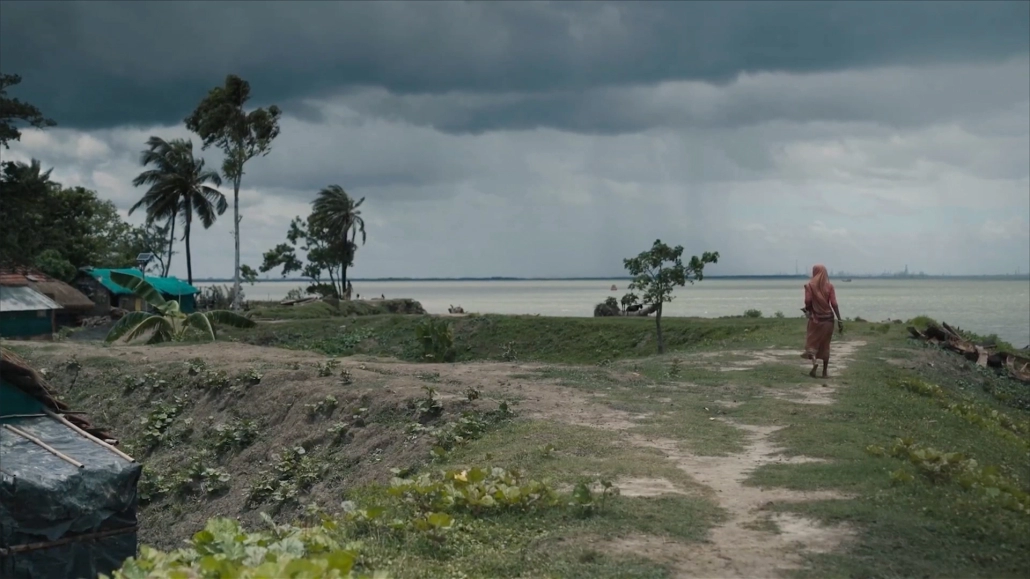
Against the Tide journeys into the fragile landscape of Ghoramara, an island slowly swallowed by the river. Through the lives of three families — Lakkhi, a young fisherman rebuilding his home for the third time; Aravind Sagar, forced to leave behind generations of land for distant labour; and Revati with her son Biltu, who dream of staying even as the ground slips away — the film captures the intimate, human cost of a disappearing world. Their hopes, losses, and quiet resilience reveal a community standing on the threshold of climate migration, fighting to hold on as the tide rises around them.

ABOUT THE DIRECTOR
Atish Dipankar is an independent filmmaker from West Bengal, India. He holds an MA in Film Studies from Jadavpur University and a Postgraduate Diploma in Screenwriting and Direction from Roopkala Kendro. His work explores themes of memory, displacement, and social change, grounded in lived realities and intimate human experiences. His documentary ‘Against the Tide’ has screened at several national and international festivals, including the Kolkata International Film Festival. He is currently developing his next film, ‘First Love, Last Breath,’ which continues his exploration of emotional fragility and loss. Atish’s filmmaking connects the personal with the political and the environmental.
DIRECTOR’S STATEMENT
Against the Tide began as an attempt to understand what it means to lose one’s home not to a sudden disaster, but to a slow, relentless erosion. Ghoramara Island is disappearing quietly, and with it, the everyday lives, memories, and futures of its people. I was drawn not to spectacle, but to the ordinary negotiations of survival—rebuilding homes, leaving familiar soil, and learning to live with uncertainty.
This film does not seek to romanticize suffering. Instead, it listens to those living on the edge of climate migration, where displacement is not a possibility but an approaching certainty. Through their voices, I hope the film invites viewers to reflect on climate change as a lived human experience, not an abstract crisis.

