
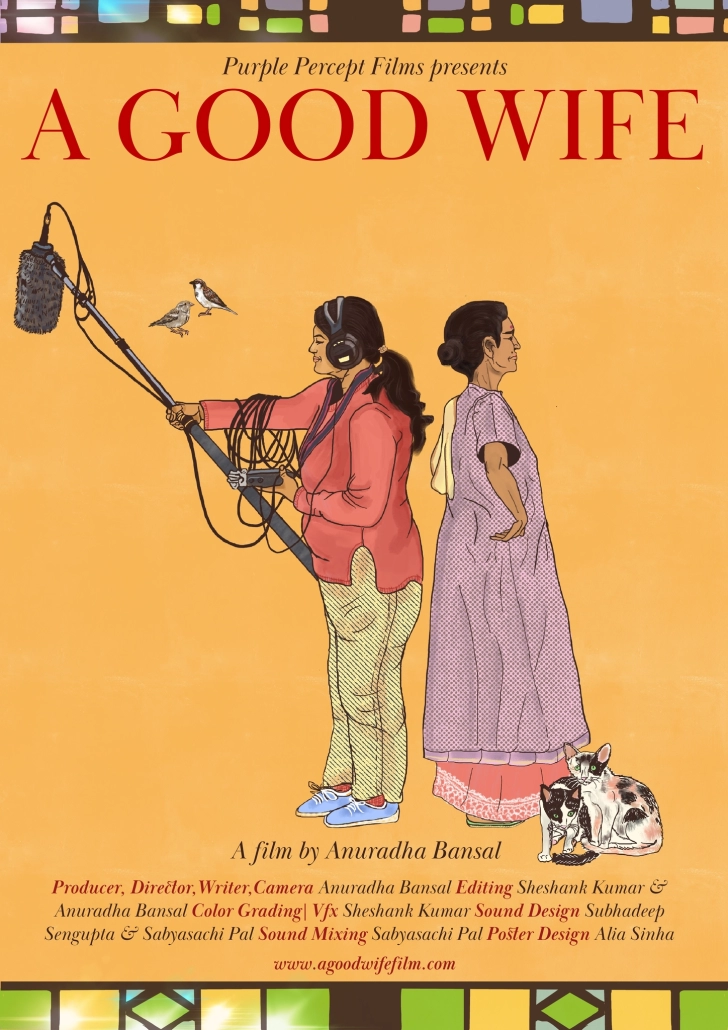
| TITLE OF THE FILM | A Good Wife |
| DIRECTED BY | Anuradha Bansal |
| LANGUAGE | Hindi, English, Marwari (English Subtitles) |
| YEAR | 2025 |
| COUNTRY | India |
| DURATION | 90 minutes |
| SPECIAL NOTE | Kolkata Premiere |
PRINCIPAL CREW & CAST
| WRITING | Anuradha Bansal |
| CINEMATOGRAPHY | Anuradha Bansal |
| EDITING | Anuradha Bansal, Sheshank Kumar |
| LOCATION SOUND | Anuradha Bansal |
| SOUND DESIGN & MIXING | Subhadeep Sengupta, Sabyasachi Pal |
| MUSIC | Subhashish Sen, Sambit Kundu, Soubhik Lahiri |
ABOUT THE FILM
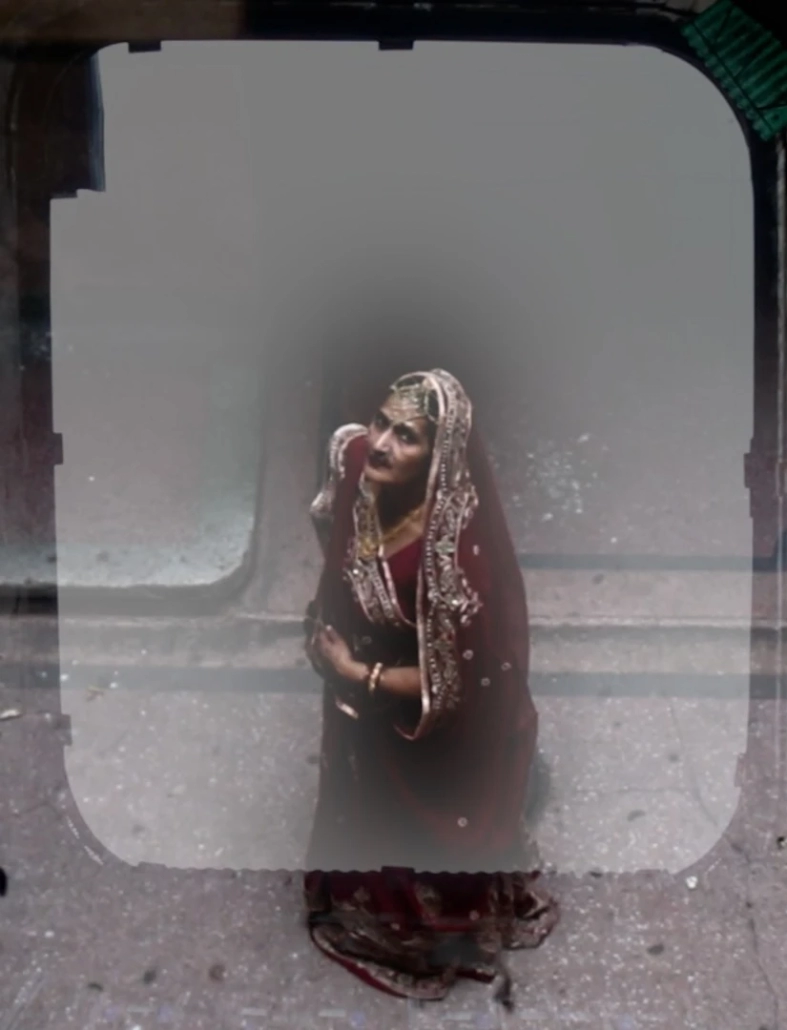
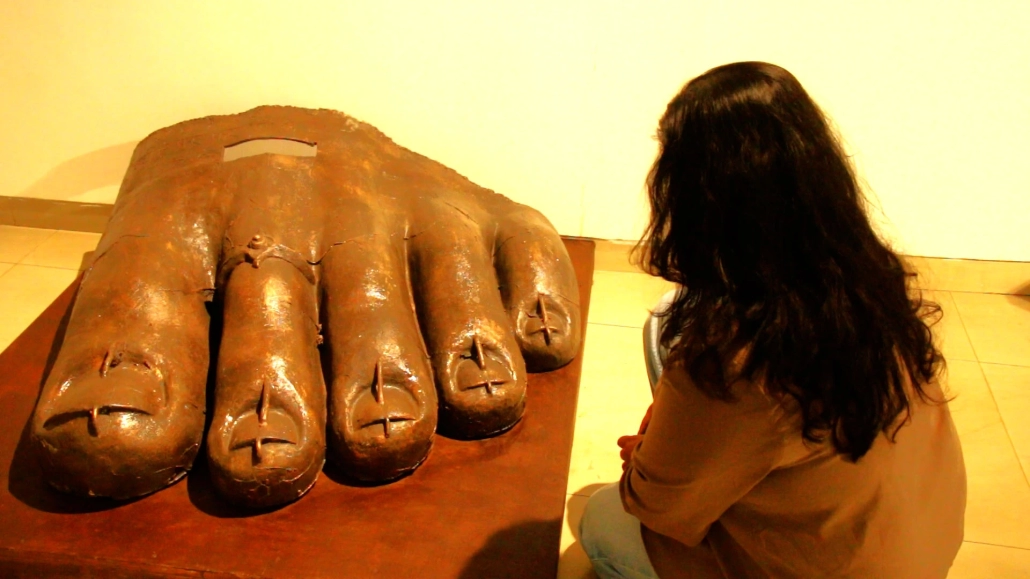
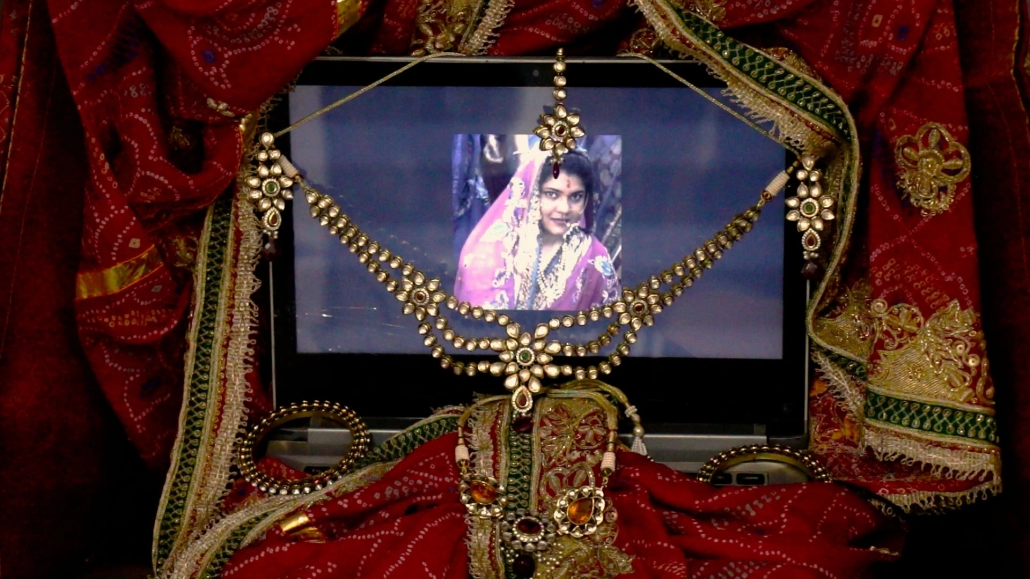
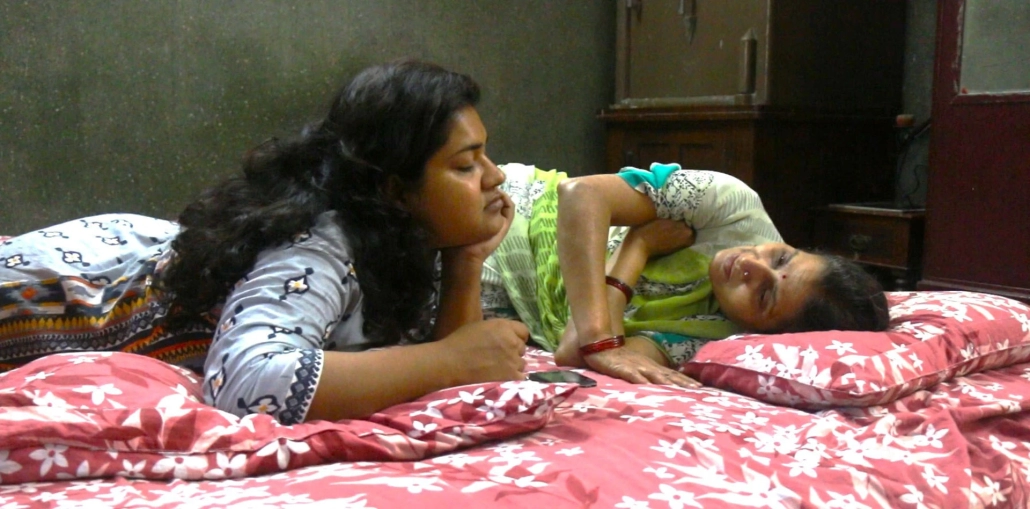
‘A Good Wife’ is a deeply personal exploration of womanhood, marriage, and freedom within an Indian community. In Kolkata, a Hindu-Marwari filmmaker prepares to end her marriage while her mother devotes herself to arranging her brother’s bride. Between these parallel searches — for divorce and for a bride — unfolds a study of devotion, silence, and defiance. This film is an attempt to reclaim agency, question inherited beliefs, and spark dialogue on autonomy and identity. Layering observation with personal reflection, the film questions who defines virtue, who carries the weight of tradition, and ultimately, what it means to be a ‘good wife’.
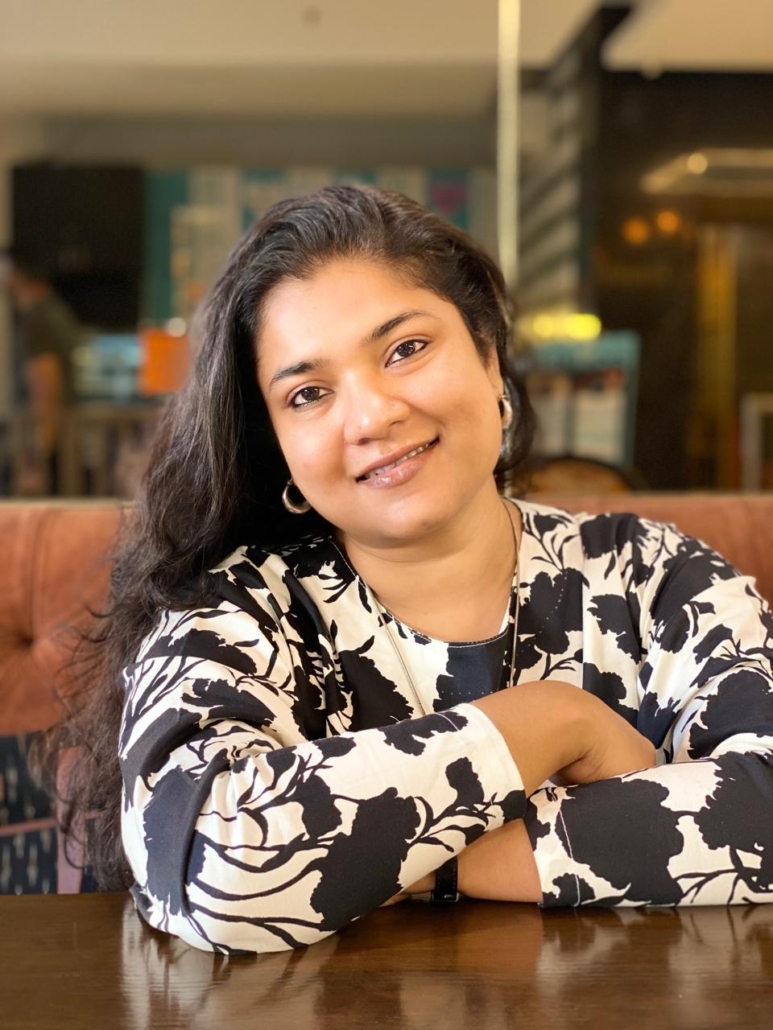
ABOUT THE DIRECTOR
Anuradha Bansal is an independent filmmaker from India. Her work explores the intricate intersections of community, culture, identity, and self-awareness. Trained in Creative Documentary Filmmaking- ‘A Good Wife’ (2025), is her debut feature- creative documentary produced over 8 years.
DIRECTOR’S STATEMENT
When my name was changed on my wedding invitation under the pretext of astrology, I realized it was less about the stars and more about erasing my identity as a woman before marriage. I refused to comply—not even willing to change my last name. That resistance, along with my decision to become a filmmaker, placed me on the fringes of my deeply traditional Marwari community.
In a culture where divorce is rare and conformity is expected, a woman who questions marriage—especially while pursuing a creative, unconventional path—is often dismissed as being ‘too influenced by the outside world’. Though the flames of Sati have long been extinguished, the ideal of female sacrifice quietly burns on, with women still expected to bear the full weight of preserving a marriage.
This film is my way of pushing back. By turning the lens on my own family and their beliefs, I want to start a conversation about the expectations placed on women, and how tradition, marriage, and identity collide. I hope it encourages other women to ask: What have we inherited—and what do we want to keep?

