
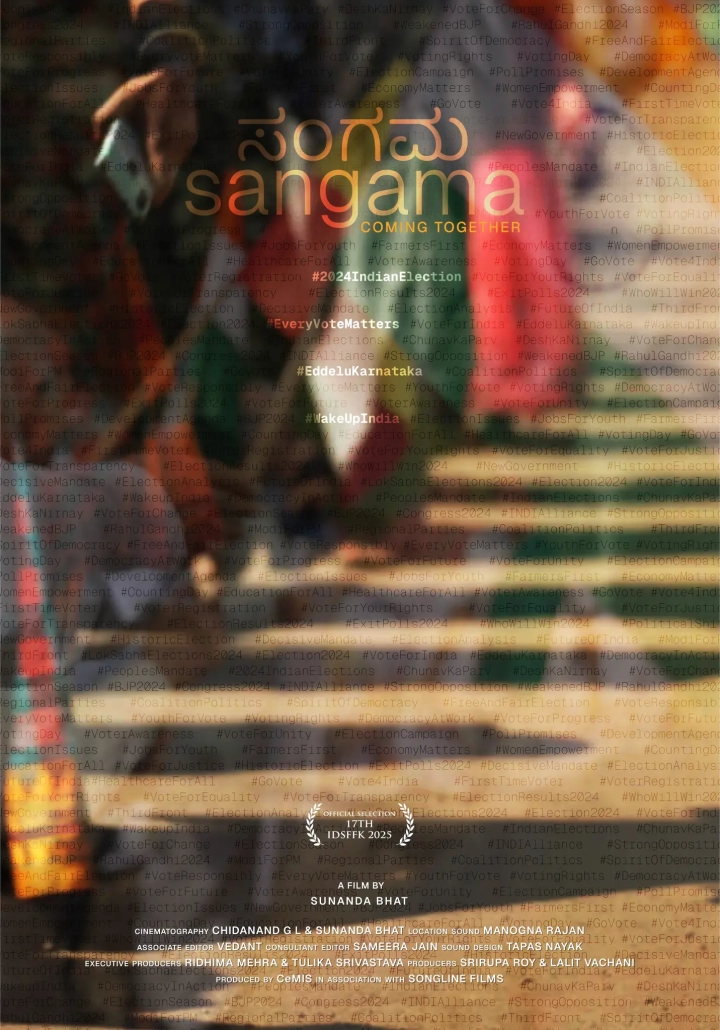
| TITLE OF THE FILM | Sangama | Coming Together |
| DIRECTED BY | Sunanda Bhat |
| LANGUAGE | Kannada, Hindi, English (English subtitles) |
| YEAR | 2025 |
| COUNTRY | India |
| DURATION | 67 minutes |
| SPECIAL NOTE | Kolkata Premiere |
PRINCIPAL CREW & CAST
| WRITING | Sunanda Bhat |
| CINEMATOGRAPHY | Chidanand Geetha Lokanatha, Sunanda Bhat |
| EDITING | Sameera Jain, Vedant, Sunanda Bhat |
| LOCATION SOUND | Manogna Rajan |
| SOUND DESIGN & MIXING | Tapas Nayak |
| PRINCIPAL CAST | Wake-up Karnataka Team Members & the people of Karnataka |
ABOUT THE FILM
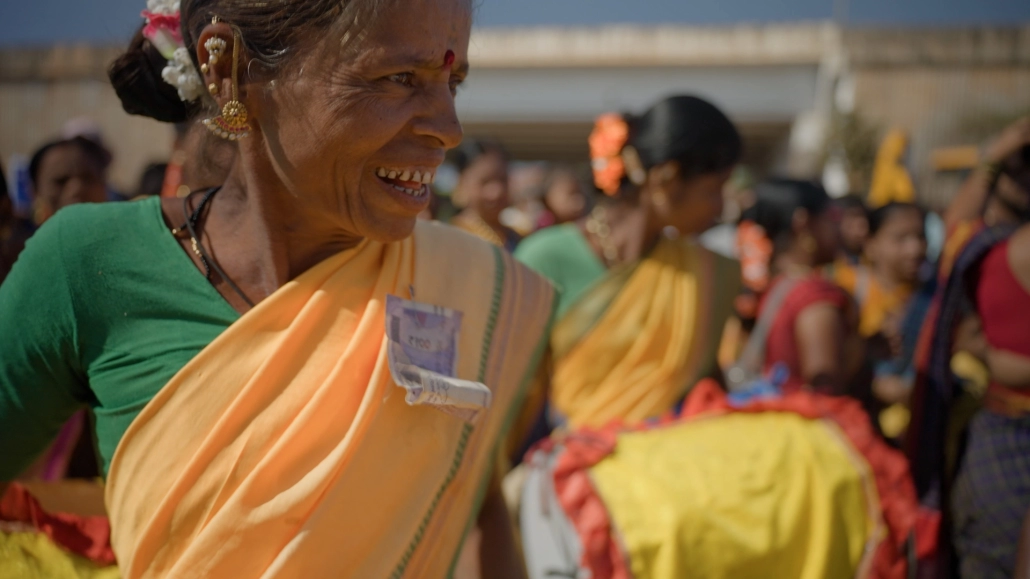
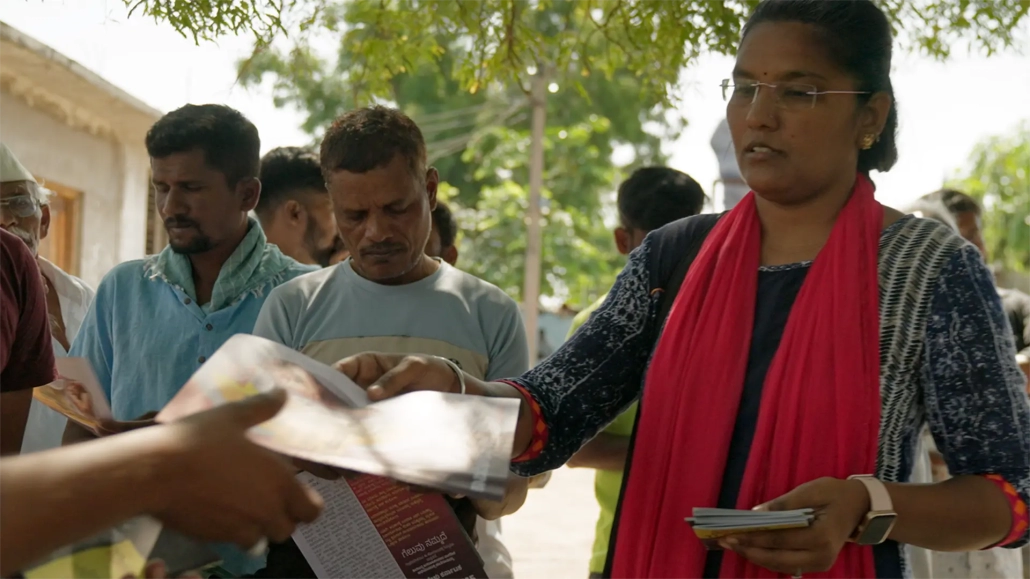
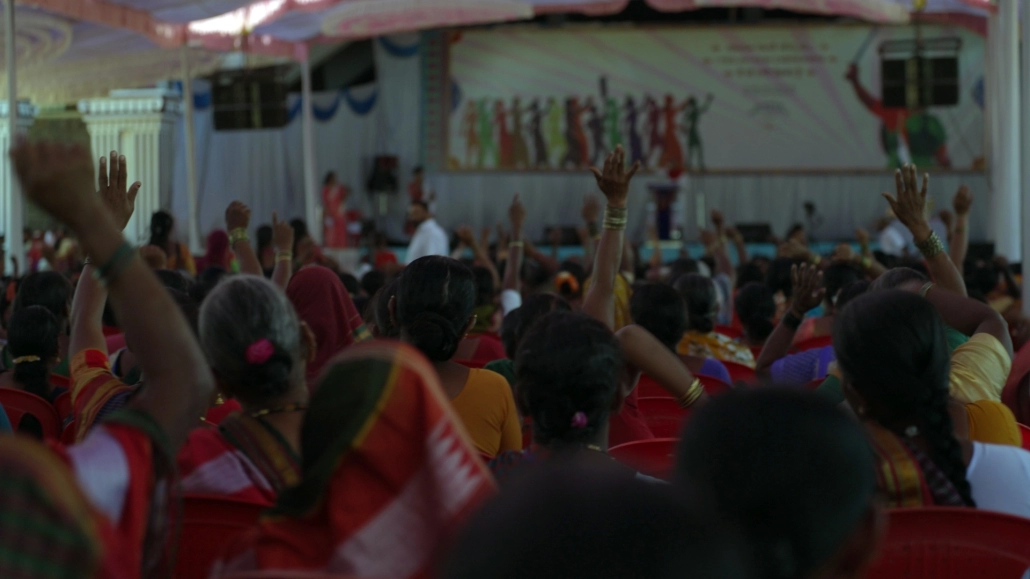
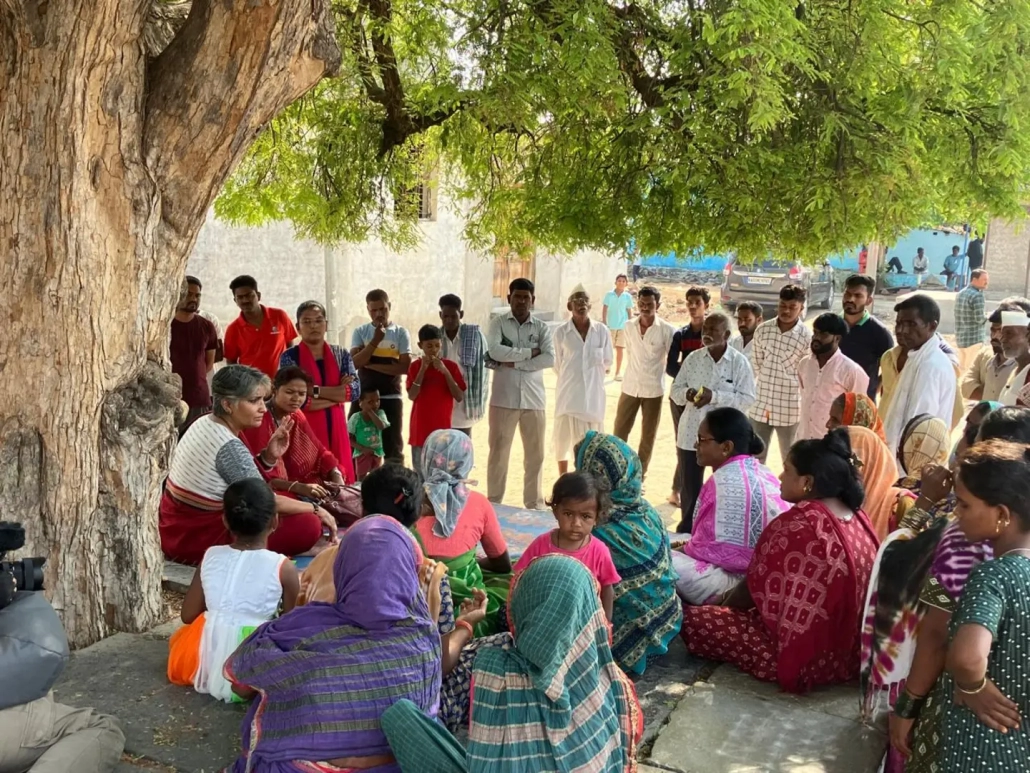
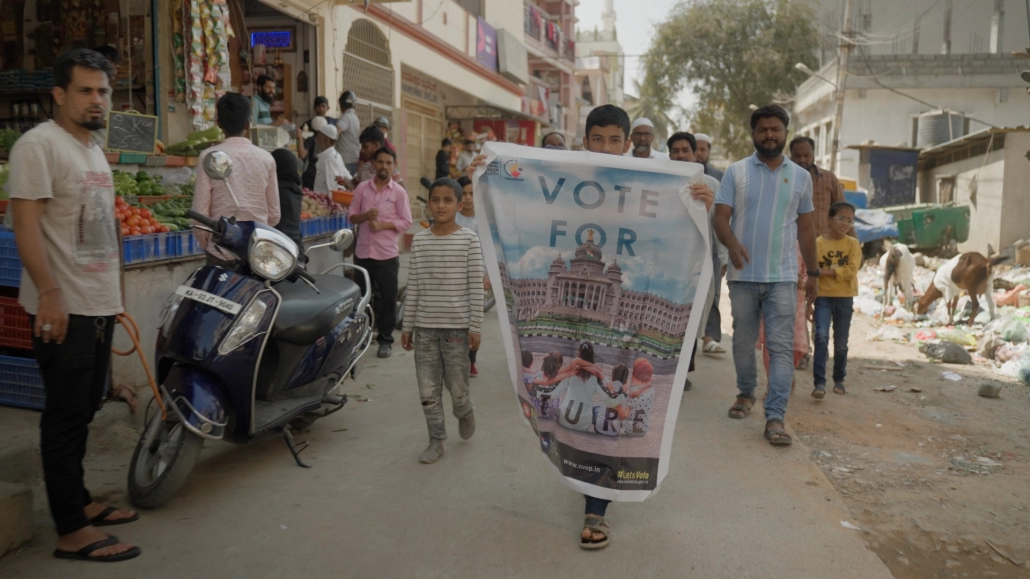
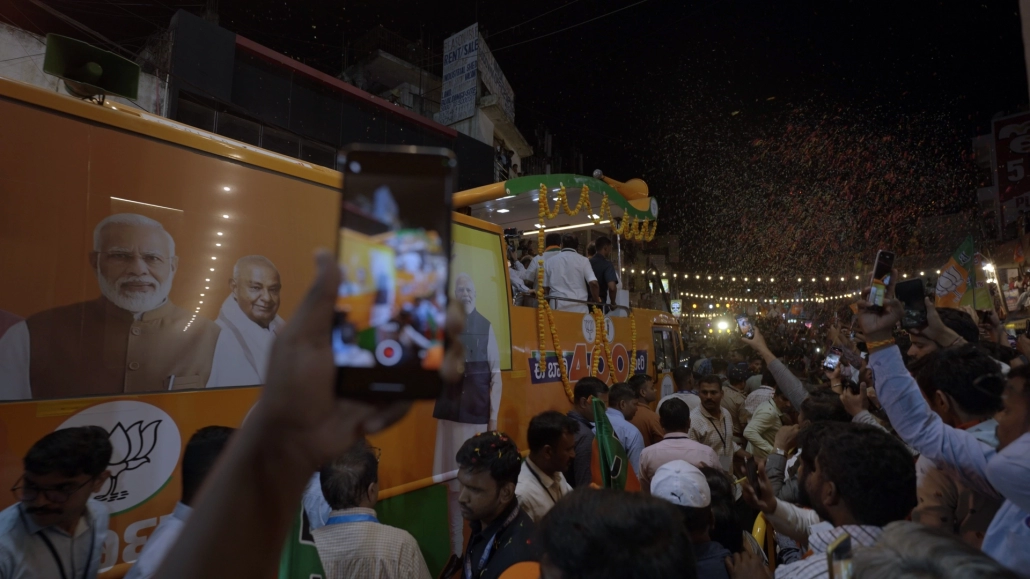
A behind-the-scenes look at how a people’s movement against divisive politics takes on an authoritarian party in power in the Indian Election-2024. Wake-up Karnataka unites with citizens’ groups across India, dramatically shifting conversation from ‘mandir’ (temple) to ‘mudda’ (people’s problems), making this a closely fought election.
Commissioned by the Centre for Modern Indian Studies, Göttingen, Germany, the film is part of the international documentary series Election Diaries 2024 – nine films chronicling grassroots campaigns across India that reflect the hope, dissent and resilience at the heart of Indian democracy.
ABOUT THE DIRECTOR
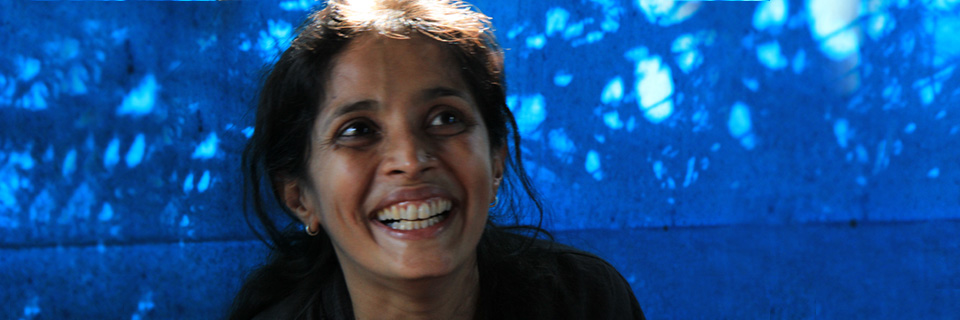
Sunanda Bhat takes a patient, unhurried approach to making films, allowing stories to unfold in layers that reveal the resilience of people and the subtle transformation of their environment. Her documentaries have screened at international and Indian film festivals and won several awards, come being – ‘Monde en Regards’ at the Jean Rouch International Film Festival, Paris; Planet in Focus Film Festival, Toronto, Golden Conch for Best Documentary at MIFF, John Abraham National Award.
Bhat was an artist-in-residence at Pepper House Residency, Kochi-Muziris Biennale and is a trustee of Vikalp Bengaluru that screens the best in non-fiction cinema in the city.
DIRECTOR’S STATEMENT
When we began filming in my home state of Karnataka before the 2024 election, the atmosphere was toxic; chest-thumping majoritarianism and targeted attacks on minorities was rampant. I was determined to make a gentle, reflective film, staying away from divisive rhetoric reverberating in mainstream media and family WhatsApp groups. Searching for ways to respond to sectarian politics, I was drawn to a verse by 12th-century saint Basavanna: “Who is he, who is he, O Lord please say he is ours”, a beautiful reminder of inclusiveness.
On the campaign trail women are eloquent, sometimes singing revolutionary songs about building a world free of discrimination. Finding hope in their quiet resistance, I chose to foreground their voices, which remain absent in Indian politics.
The film is a vivid account of a citizens’ movement, told with a keen awareness that such grassroots actions carry within them the possibility of a more just and inclusive world, and with it, the survival of democracy itself.

