
| TITLE OF THE FILM | Dare To Dream |
| DIRECTED BY | Ranu Ghosh |
| LANGUAGE | Hindi, Rebari (English subtitles) |
| YEAR | 2025 |
| COUNTRY | India |
| DURATION | 83 minutes |
| SPECIAL NOTE | Kolkata Premiere |
PRINCIPAL CREW & CAST
| WRITING | Ranu Ghosh |
| CINEMATOGRAPHY | Ranu Ghosh, Vijay Kumar, Vandita Jain |
| EDITING | Subhadipta Biswas |
| LOCATION SOUND | Ranu Ghosh, Vijay Singh |
| SOUND DESIGN | Subhadipta Biswas, Ranu Ghosh, Dipankar JoJo Chaki |
| SOUND MIXING | Sukanta Mazumdar |
| MUSIC | Debojyati Misra, Dipankar Jojo chaki |
| PRINCIPAL CAST | Ganeshi Rebari, Reena Rebari, Jaypal Rebari |
ABOUT THE FILM
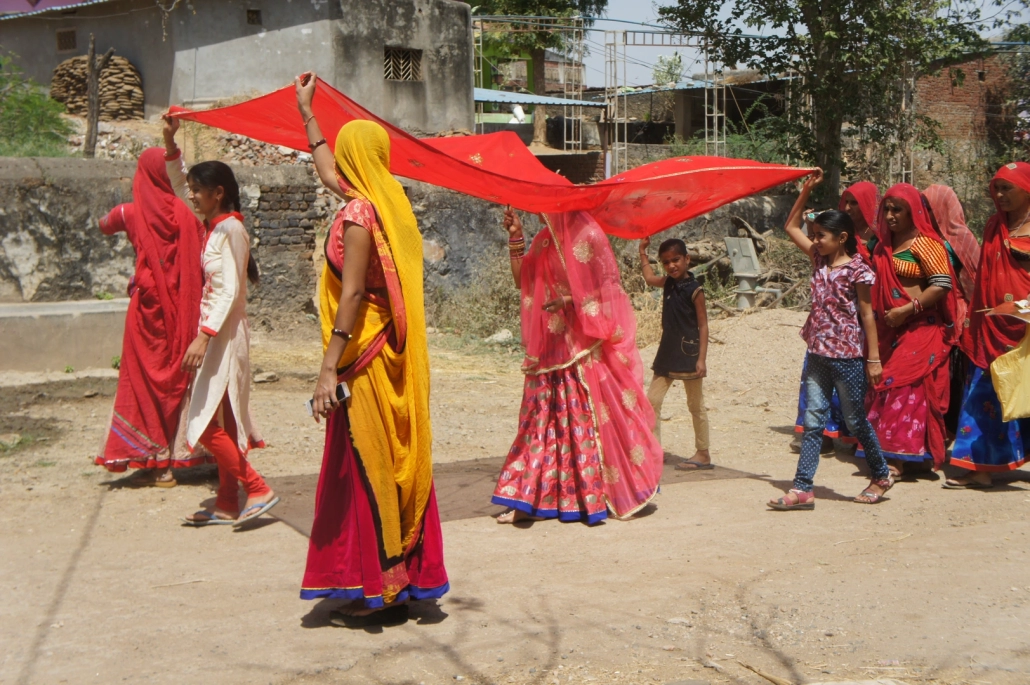
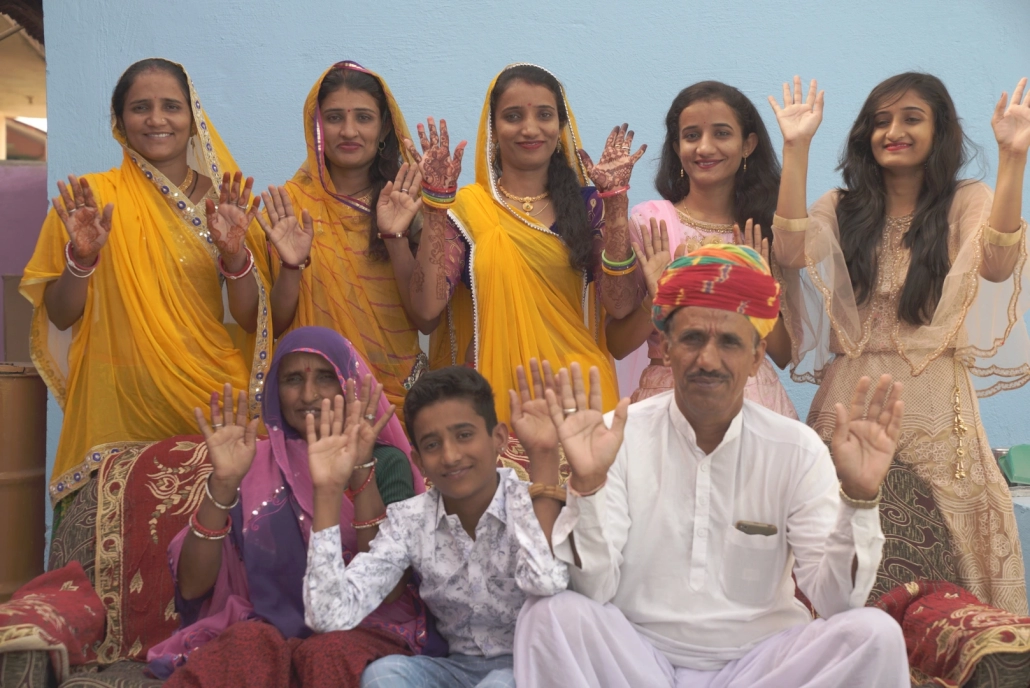
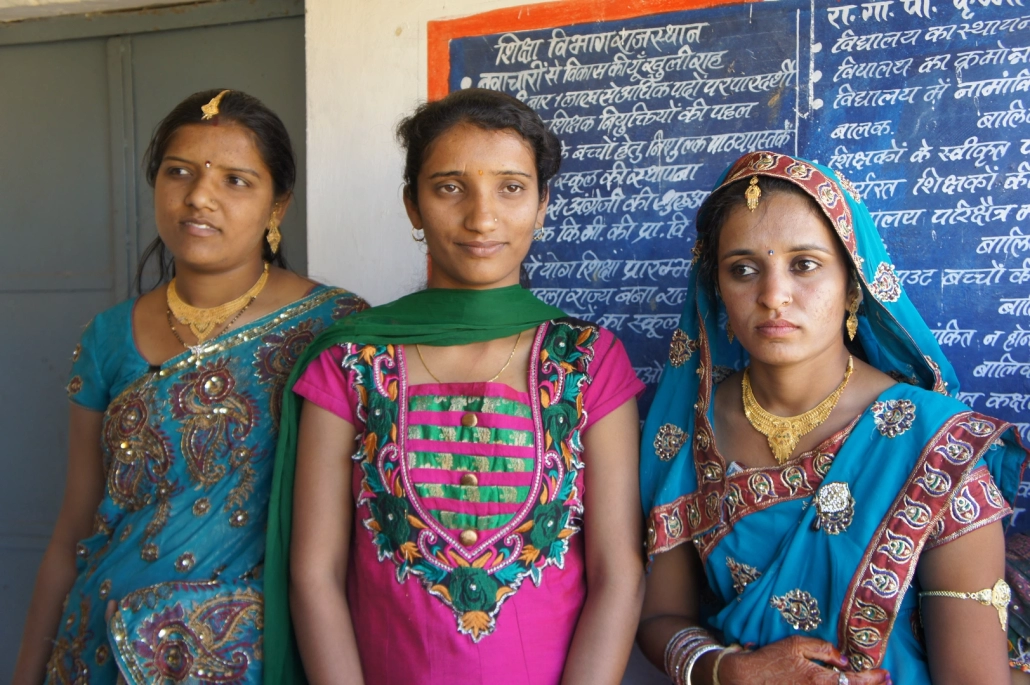
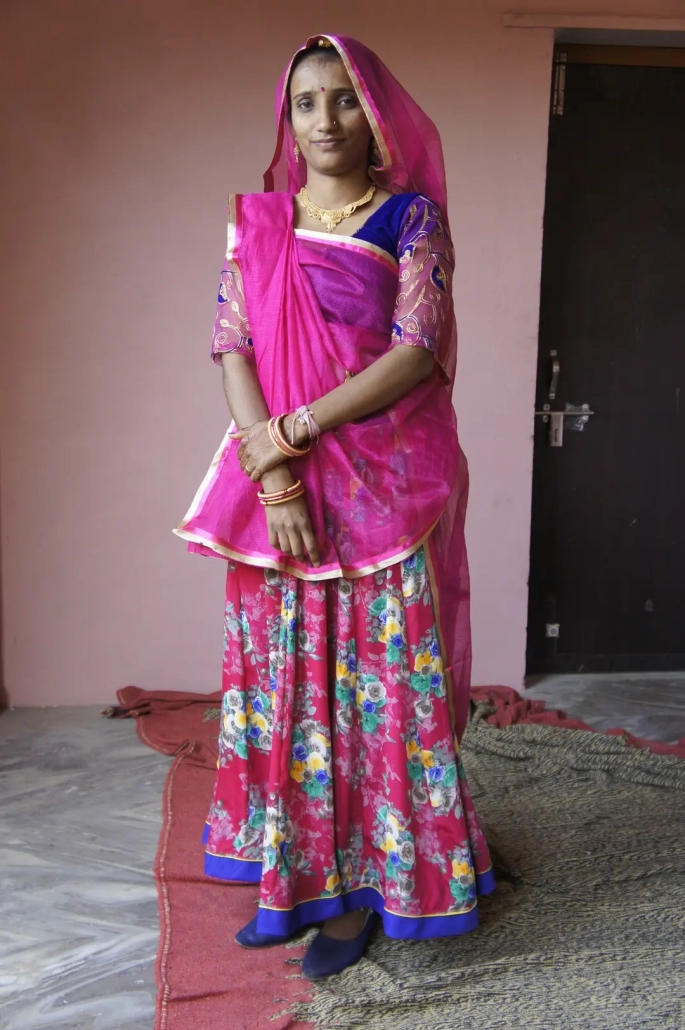
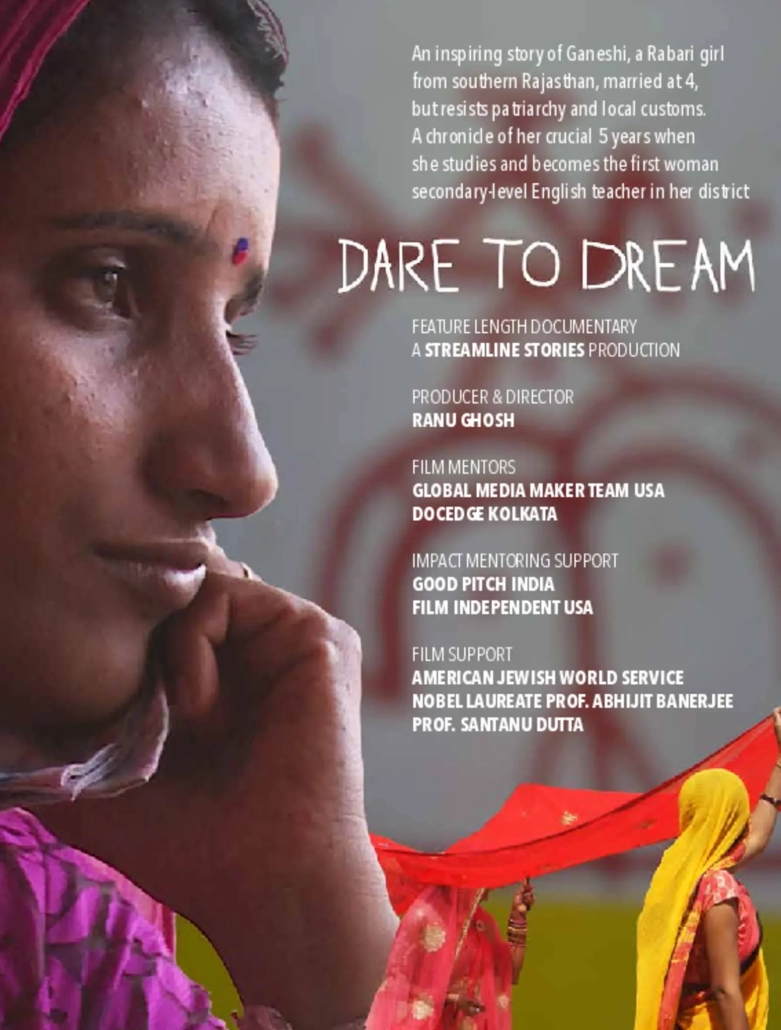
The film travels into the heartlands of tribal Rajasthan, in Northern India to explore social issues of early marriage and patriarchal dominance where a young girl defies to settle down at her in-laws and continues her endeavour to be a school teacher.
ABOUT THE DIRECTOR
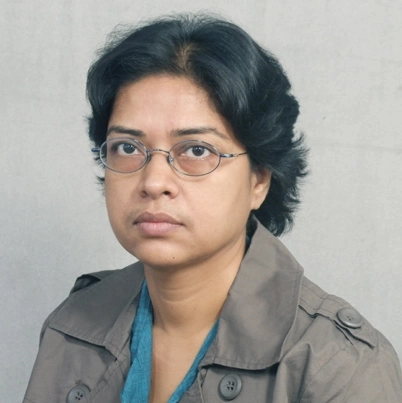
Ranu Ghosh is an award winning independent film director, producer, and cinematographer. She co-directed ‘The Magnificent Journey: Times and Tales of Democracy’ with Nobel Laureate Abhijit Vinayak Bajerjee. Her film ‘Quarter Number 4/11’ premiered at numerous international festivals including Busan IFF and IDFA. Her audio-visual installation ‘Dialogue Remains’ was selected for the European Biennale Manifesta 7. She was the producer, co-director, and co-cinematographer on ‘Like Whirlwinds,’ supported by TED and Sundance. As cinematographer, she served on ‘Revolutionary Optimist,’ winner of the Sundance Hilton Sustainability Award and Better Seeds which won the IDFA Green Screen Award.
DIRECTOR’S STATEMENT
The social issues depicted by the Film are deeply ingrained in India’s fabric. The alarming statistic that every 12 seconds a baby girl is aborted in our country, amounting to 7,000 girls per day, underscores the harsh reality of gender discrimination. The persistence of child marriage in states like Bihar, Rajasthan, and Uttar Pradesh raises a critical concern, often justified by age-old traditions.
Through the lens of Ganeshi, our protagonist, we witness the intergenerational conflict ignited by education and aspirations. My connection with her stems from shared struggles faced by women nationwide. We grapple with societal pressures that constrain our dreams. This film explores women’s roles in families and decision-making autonomy. Ganeshi’s journey mirrors my own quest for balance between tradition and independence.

