
| TITLE OF THE FILM | Encountering Hate (Nafrat ka Saamna) |
| DIRECTED BY | Lalit Vachani |
| LANGUAGE | Hindi, English (English subtitles) |
| YEAR | 2025 |
| COUNTRY | India |
| DURATION | 48 minutes |
| SPECIAL NOTE | Kolkata Premiere |
PRINCIPAL CREW & CAST
| CINEMATOGRAPHY | Amit Mahanti |
| EDITING | Lalit Vachani, Rikhav Desai |
| LOCATION SOUND | Lohit Bhalla |
| SOUND MIXING | Girjashanker Vohra |
ABOUT THE FILM
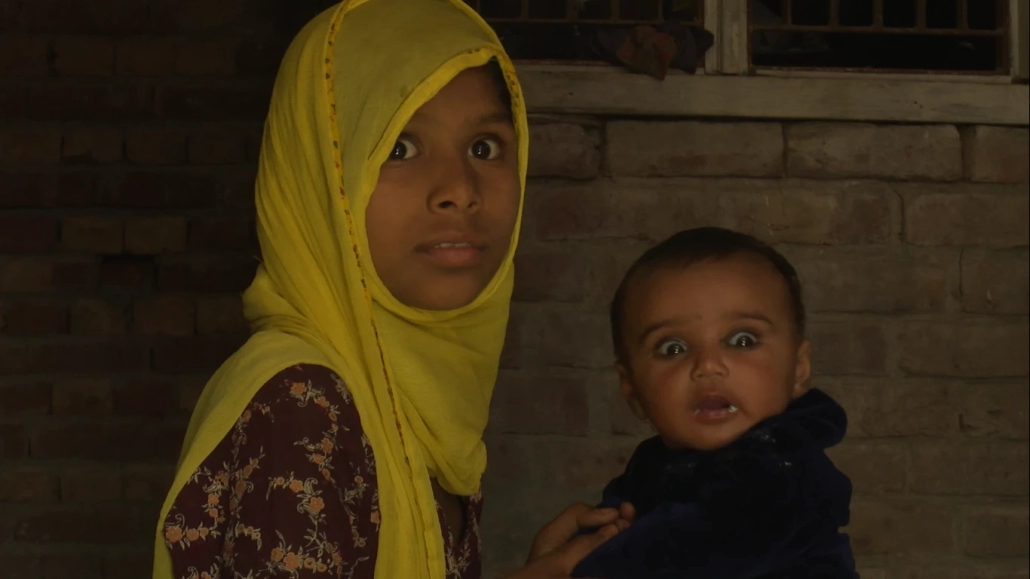
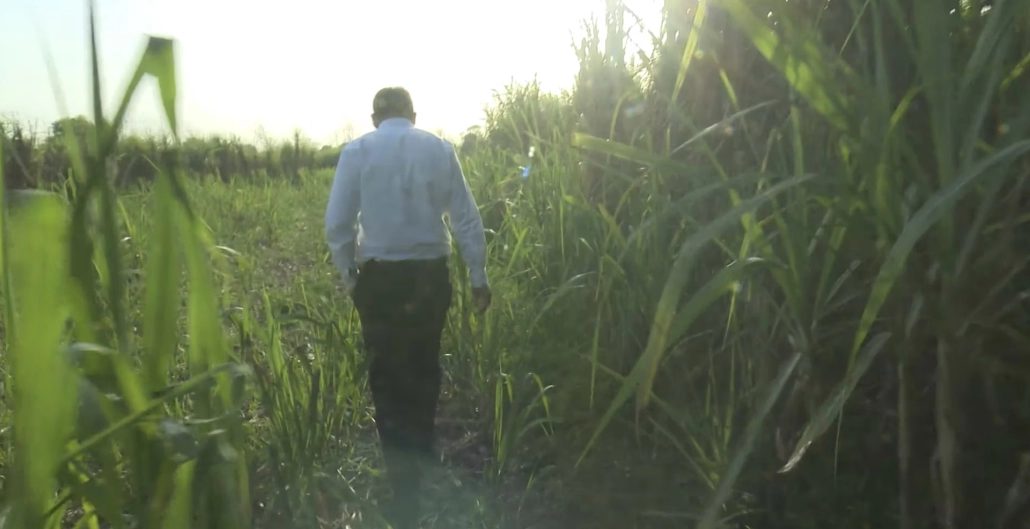
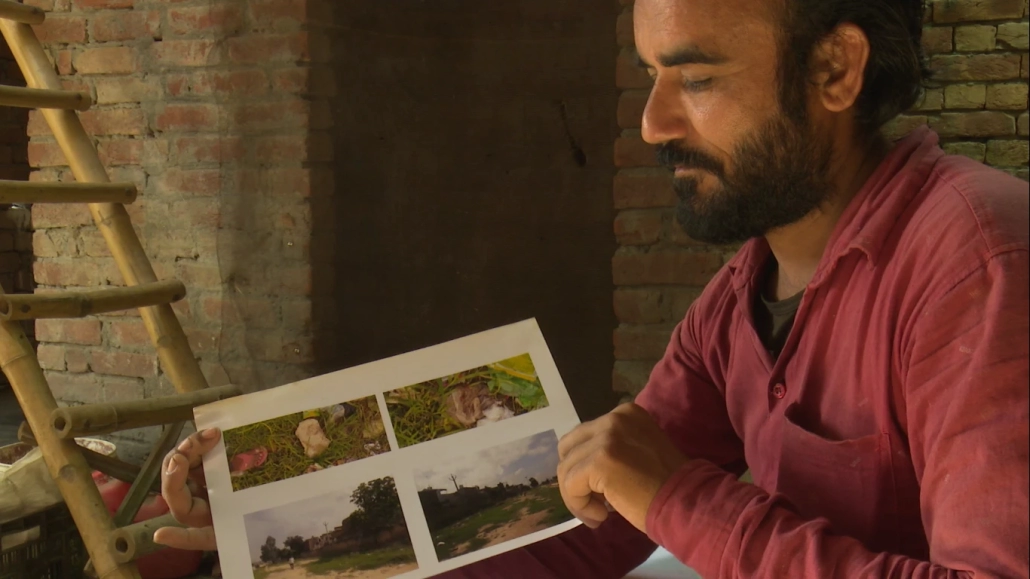
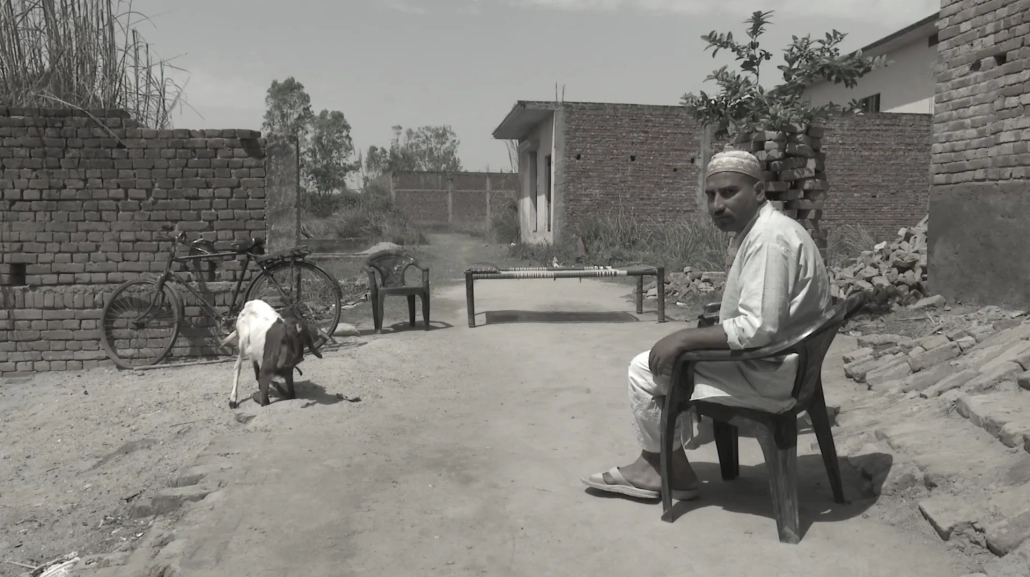
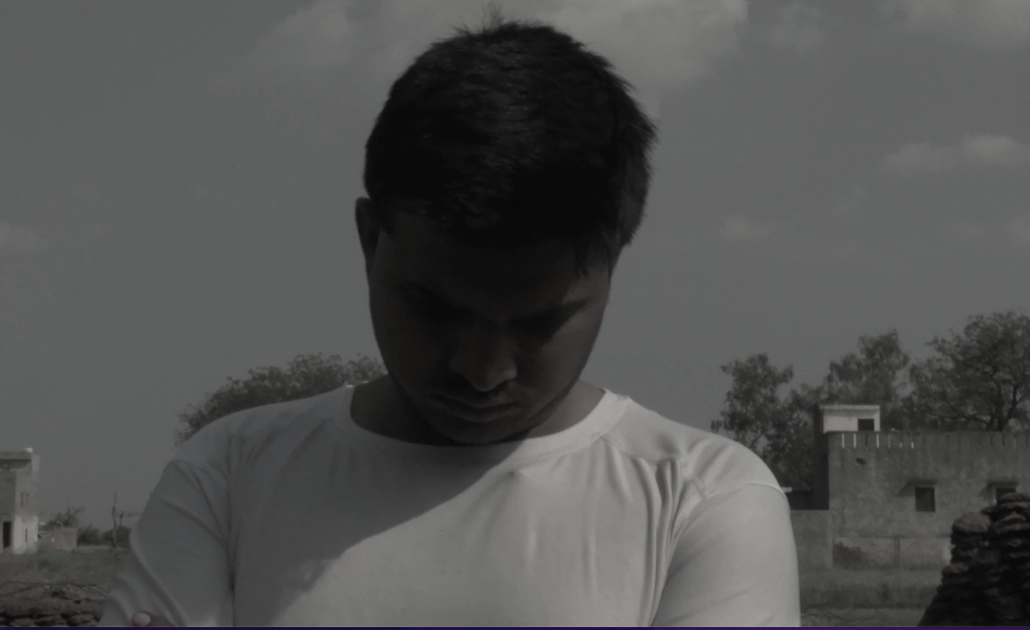
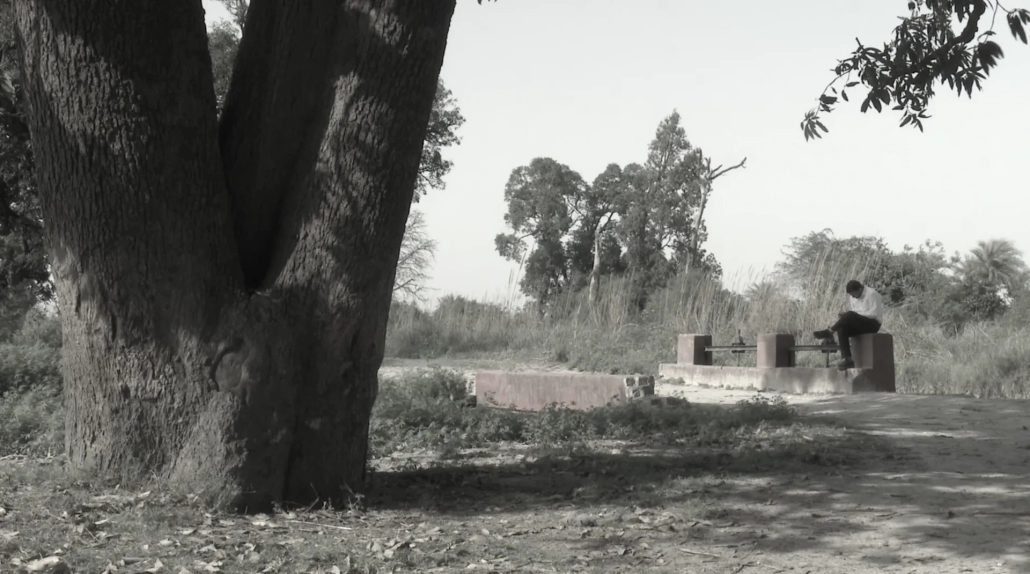
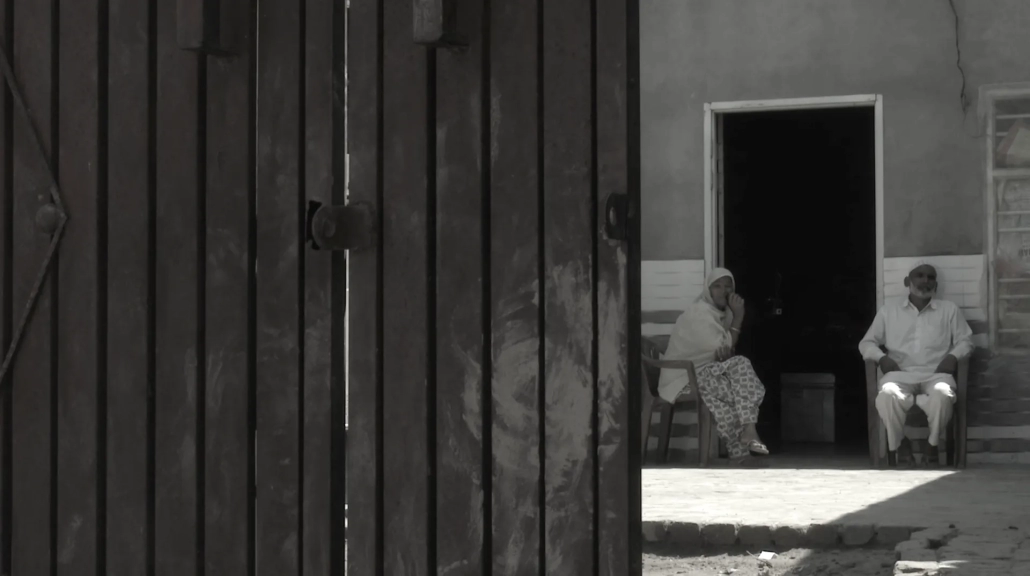
Revolving around three case studies of hate crime in North India, the film follows human rights lawyer Akram Akhtar Choudhary as he provides legal help to his clients – victims of mob lynchings, vigilante violence and police encounter killings.
The film is a frightening reminder of the precarity of Muslim lives in Hindu nationalist India.
ABOUT THE DIRECTOR
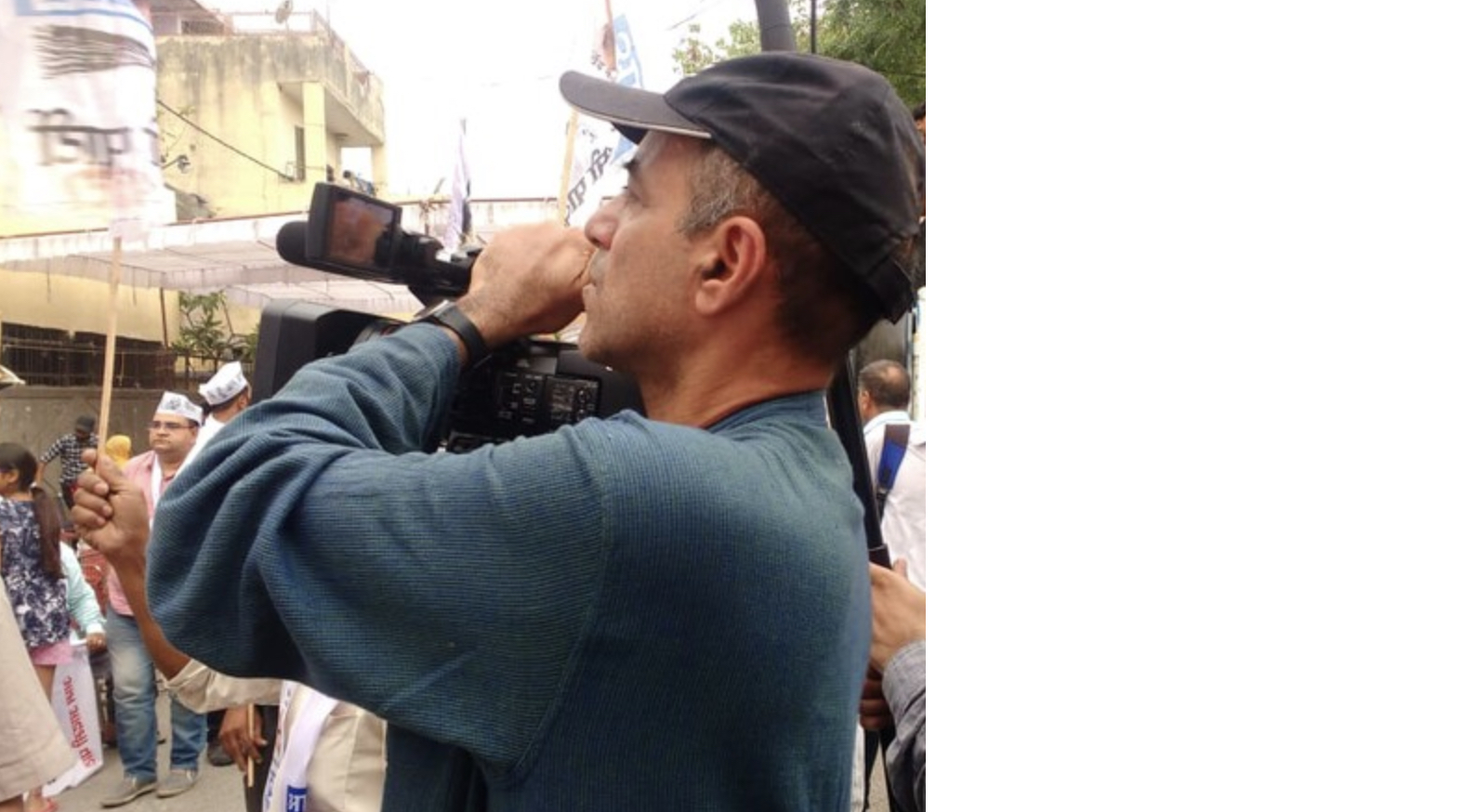
Lalit Vachani is a documentary filmmaker, lecturer and research scholar at CeMIS (the Centre for Modern Indian Studies) at the University of Göttingen. His documentaries include ‘In Search of Gandhi’ (2007) and ‘The Salt Stories’ (2009) which follow the trail of Gandhi’s salt march in Narendra’s Modi’s Gujarat; ‘The Play Goes On’ (2005) on the leftist street theatre group, Jana Natya Manch; ‘An Ordinary Election’ (2015), an in-depth study of an Indian election campaign by a new political party – the AAP (Aam Aadmi Party); ‘The Boy in the Branch’ (1993) and ‘The Men in the Tree’ (2002) which document the ideology and the growth of the RSS and Hindu nationalism, and ‘Prisoner No. 626710 is Present’ (2024), about the Citizenship Amendment Act, student protests and the incarceration of Umar Khalid.
DIRECTOR’S STATEMENT
In December 2019, the Citizenship Amendment Act was introduced with the aim of denying many Indian Muslims their basic rights to citizenship. There were widespread peaceful protests across India, which were violently suppressed by the Indian police, working at the behest of the Hindu nationalist state. I met Akram Akhtar Chaudhary while filming a fact finding citizens’ group investigating the anti-Muslim violence in Muzaffarnagar in December 2019. (This material finds expression in the short film, ‘A Day in Muzaffarnagar’).
Four years later, I visited Akram with my film team to track the significant human rights legal work that he and his team do. In this film, we follow Akram as he provides legal help to his clients – victims of mob lynchings, vigilante violence and police encounter killings. Filmed over a mere 5 days, this brief encounter left us shaken as we realized the deep roots of structural violence against Muslims in Uttar Pradesh, well known as the new laboratory of Hindu nationalism in India.
This is the third film in the work-in-progress documentary series, ‘Hindutva Stories’.

