
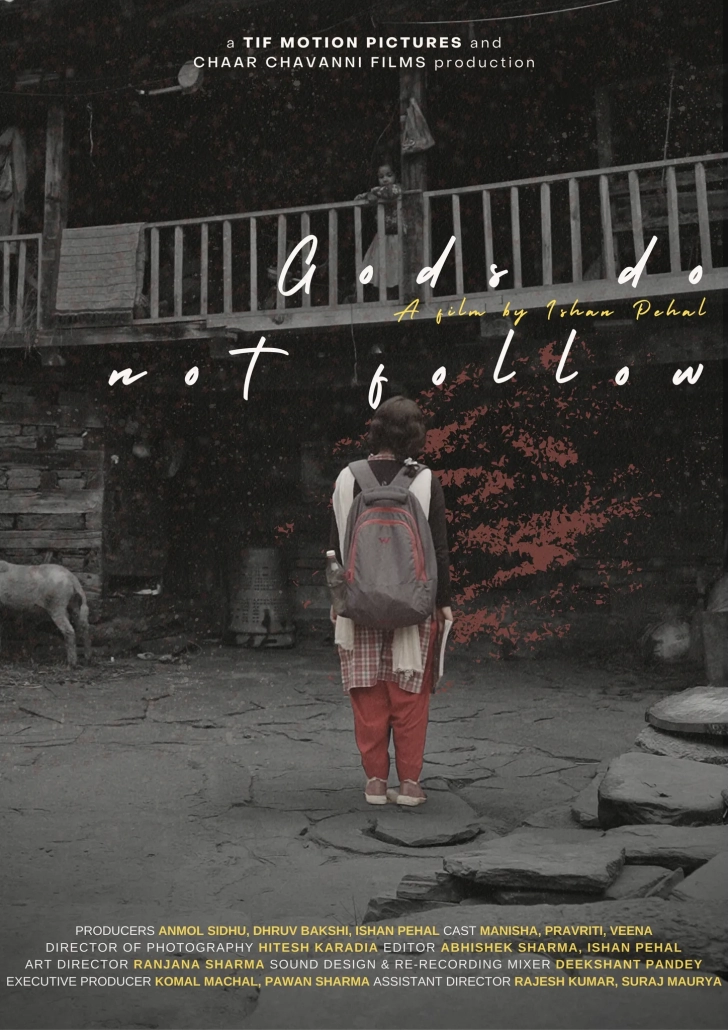
| TITLE OF THE FILM | Gods Do Not Follow |
| DIRECTED BY | Ishan Pehal |
| LANGUAGE | Kullavi (Pahari), Himachali (English subtitles) |
| YEAR | 2025 |
| COUNTRY | India |
| DURATION | 16 minutes 35 seconds |
| SPECIAL NOTE | Asian Premiere |
PRINCIPAL CREW & CAST
| WRITING | Ishan Pehal |
| CINEMATOGRAPHY | Hitesh Karadia |
| EDITING | Abhishek Sharma, Ishan Pehal |
| LOCATION SOUND | Deekshant Pandey |
| SOUND DESIGN & MIXING | Deekshant Pandey |
| MUSIC | Shubham Rana Madhav Jamwal |
| PRINCIPAL CAST | Manisha, Pravriti, Veena |
ABOUT THE FILM
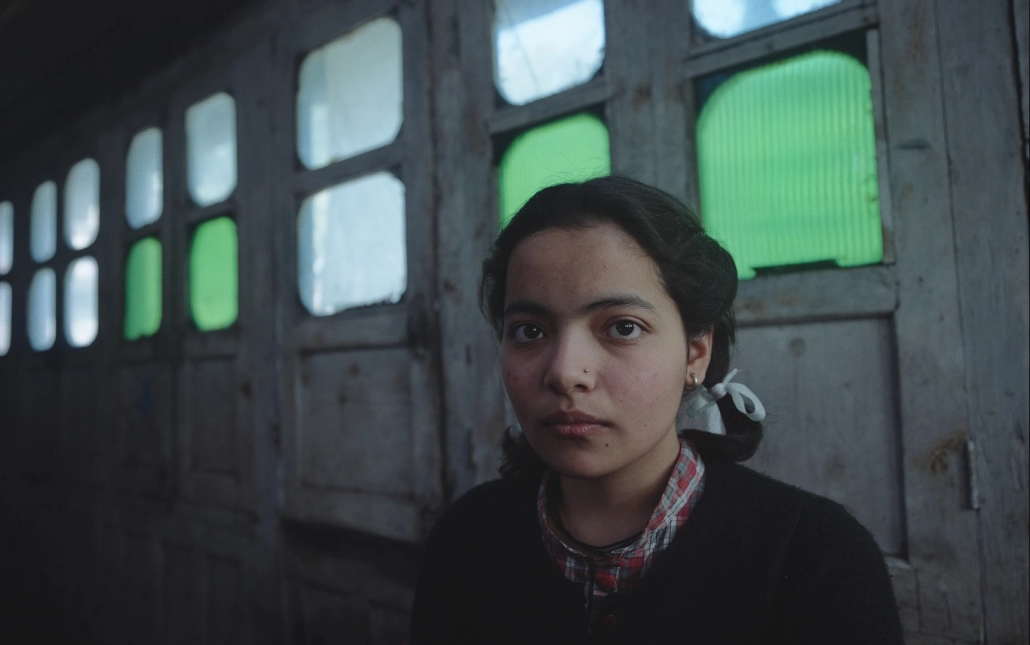
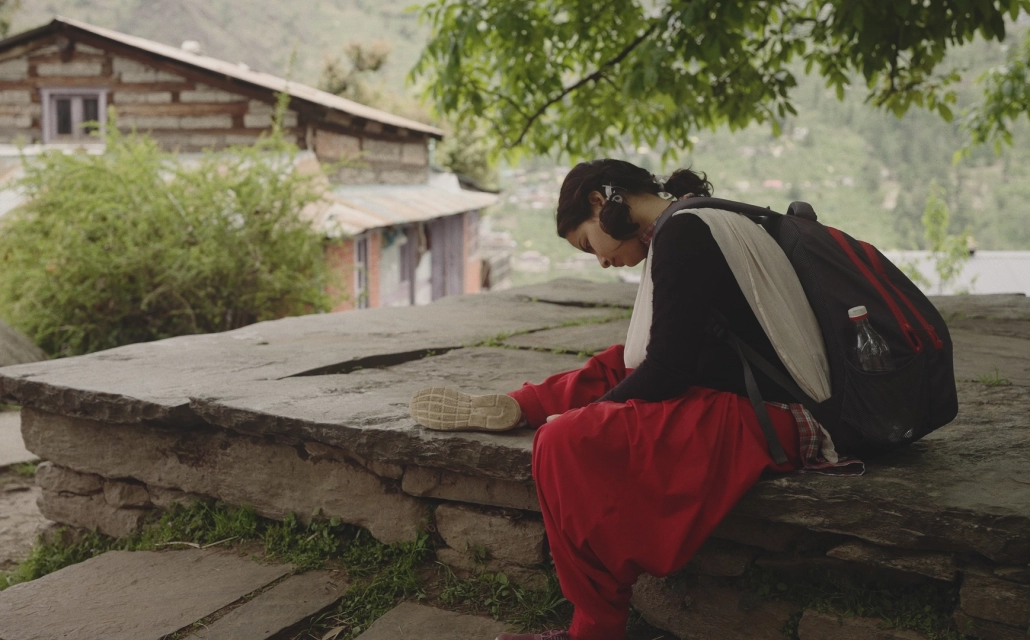
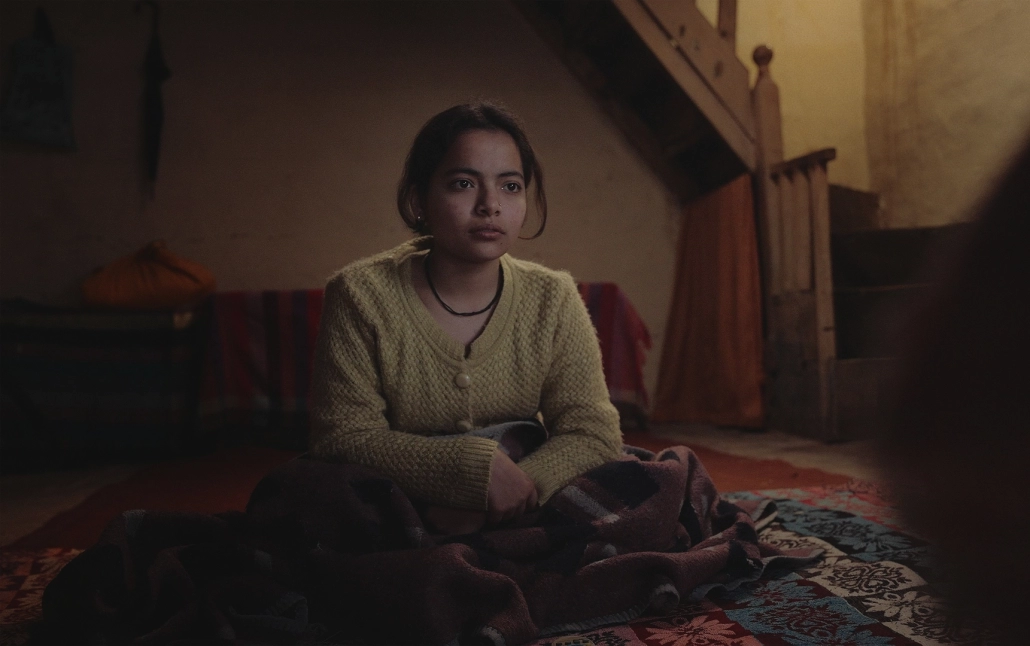
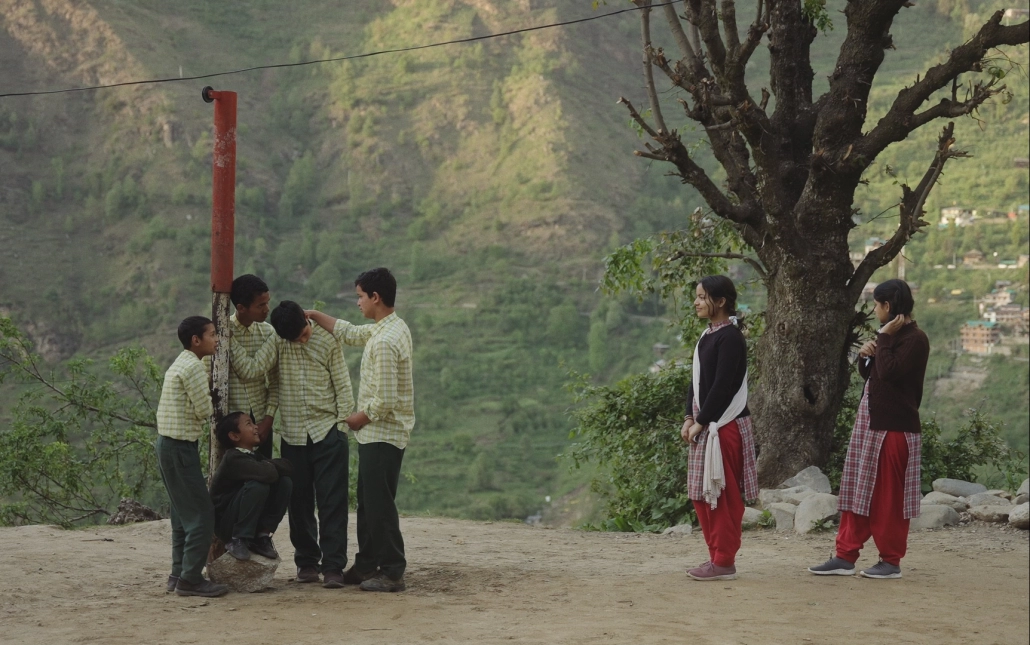
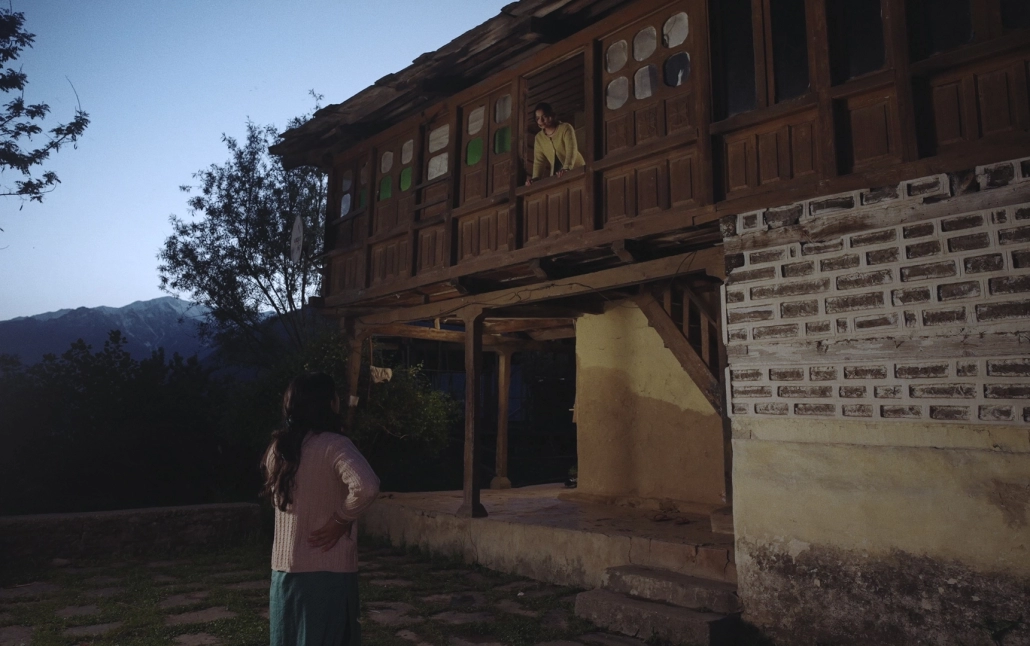
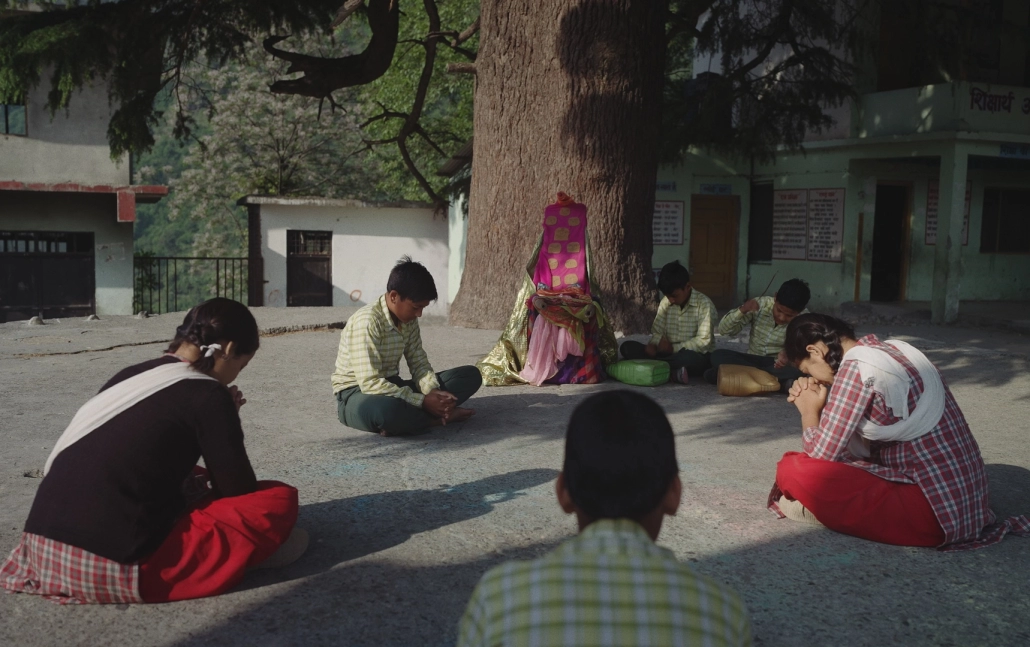
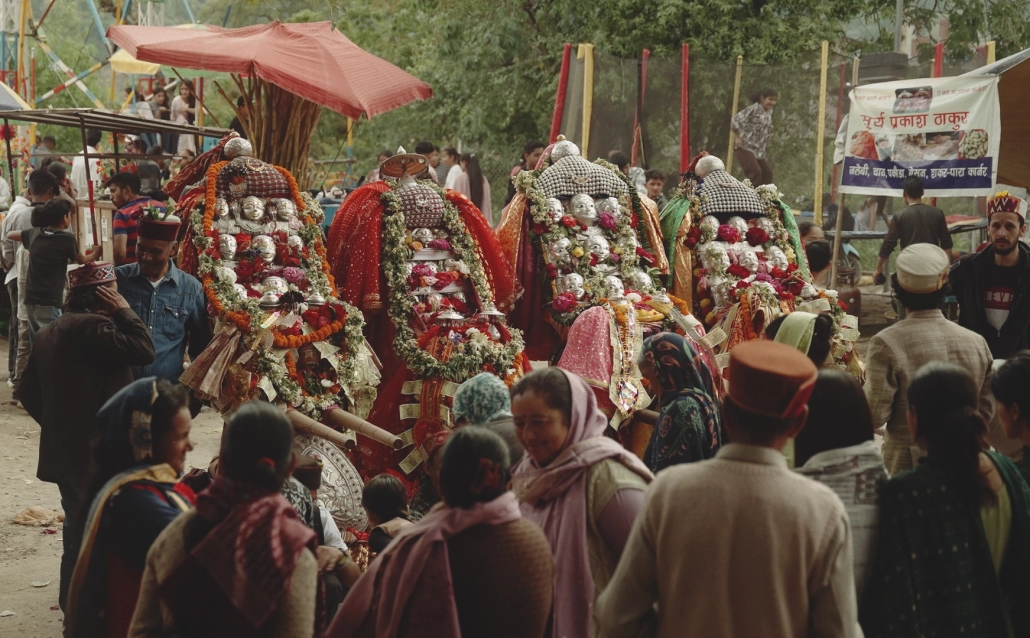
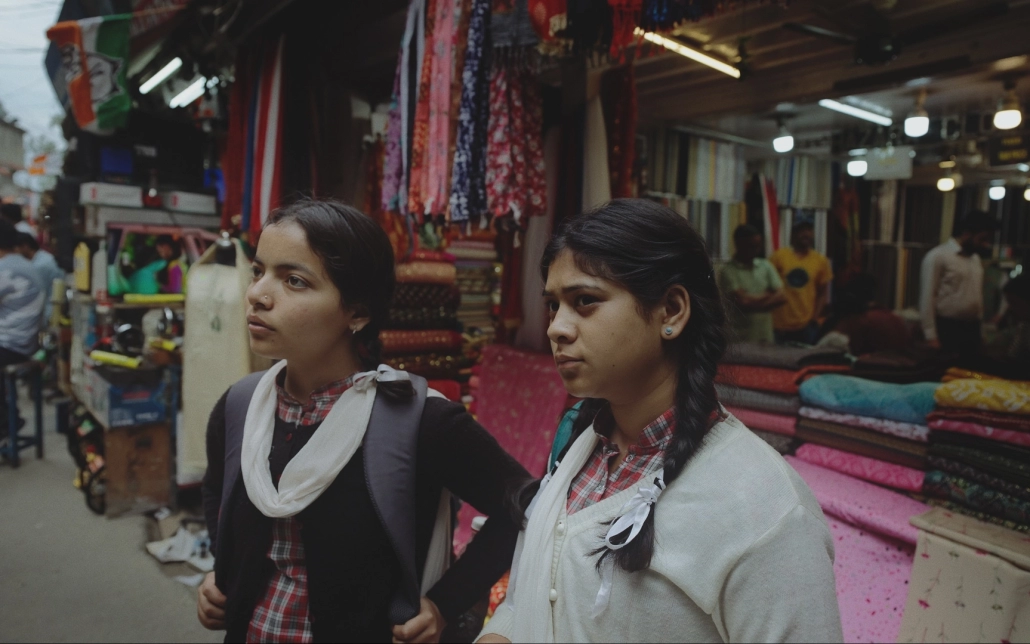
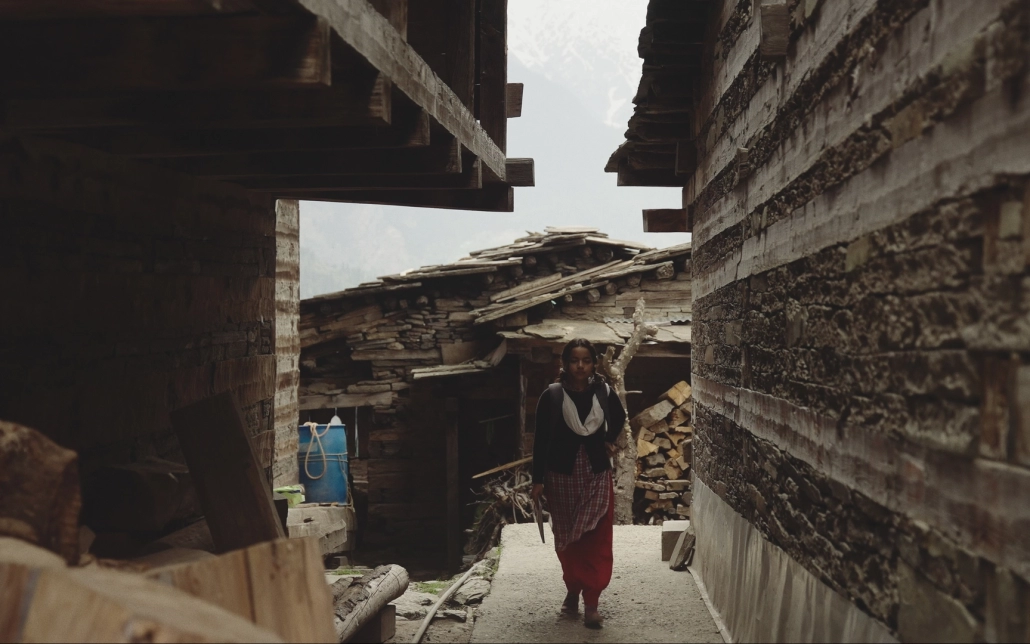
Sixteen year old Uma lives in a quiet Himalayan village. She is still grieving her father’s death when the annual village fair arrives, the one place that once made her happiest. Just as she dreams of going, tradition steps in. Uma gets her period, and customs say she must stay away. Confused, lonely, and curious about growing up, Uma struggles between rules and desire. With gentle courage, friendship, and the tender stirrings of first love, she decides to follow her heart. The film explores teenage emotions, belonging, quiet rebellion, and how fulfilling a simple dream can change how Uma sees herself.
ABOUT THE DIRECTOR
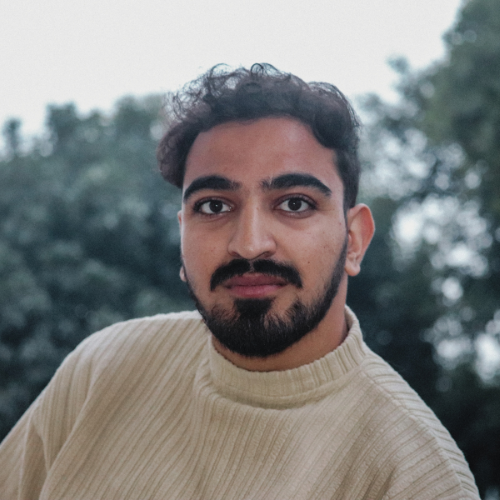
Ishan Pehal is an actor, film editor, and independent filmmaker from the Kullu valley in Himachal Pradesh, now based in Chandigarh. He comes from a background in theatre and mass communication, which shapes how he understands stories, performance, and emotion. His films explore ideas of identity, existence, and the small struggles of everyday life. Ishan enjoys working across different genres and is especially drawn to dark humour and absurd stories. He prefers a quiet and simple style, using silence, subtle acting, and natural locations to tell his stories. Through his films, he aims to share honest, thoughtful stories rooted in lived experience.
DIRECTOR’S STATEMENT
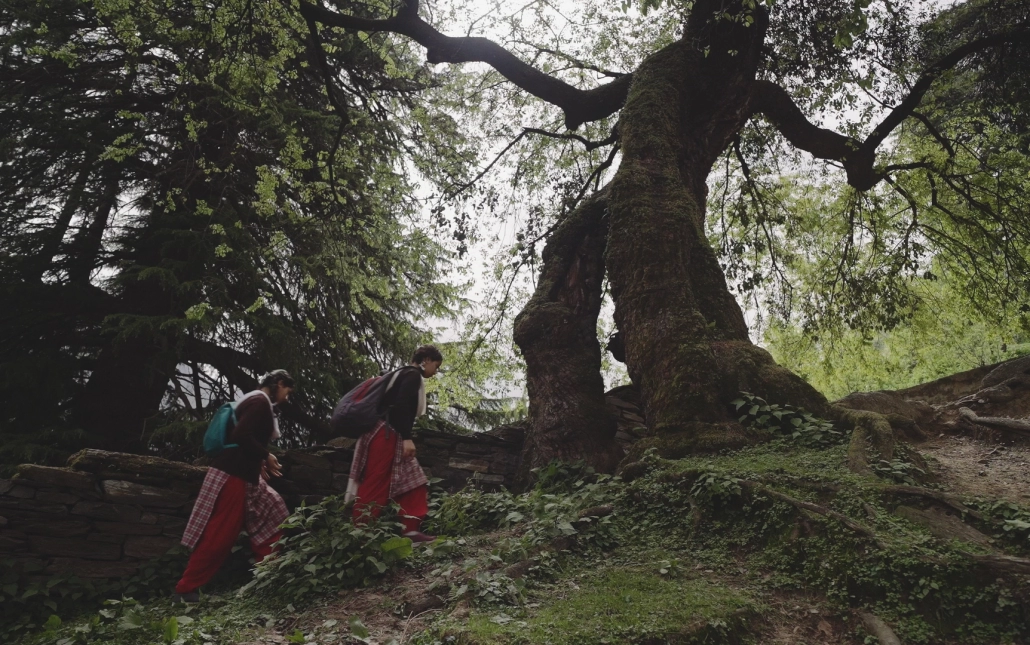
I grew up in the valley of Kullu, surrounded by mountains and traditions that quietly shape everyday life. Gods Do Not Follow comes from years of witnessing how women, young and old, learn to live within these customs, sometimes accepting them, sometimes gently resisting. Inspired by true events, the film explores longing, quiet rebellion, and the fragile transition into adulthood. I wrote the story imagining the landscapes of my hometown, and the film was created in a participatory, immersive style: capturing subtle performances, moments of silence, and the beauty of the Himalayan environment. The mountains are not just a backdrop, they are a character in themselves shaping Uma’s journey, from the distance between her village and the market to the sense of isolation and possibility the landscape provides. I wanted the audience to experience Uma’s story as a window into this world , to feel the quiet courage it takes to question rules and the bittersweet satisfaction of fulfilling a long-held desire. Shooting in extreme weather and harsh rural conditions was a challenge, but it allowed us to authentically reflect the rhythms of life in these remote areas. This film is both an homage to my home and an intimate portrait of resilience, growth, and small acts of defiance.

