
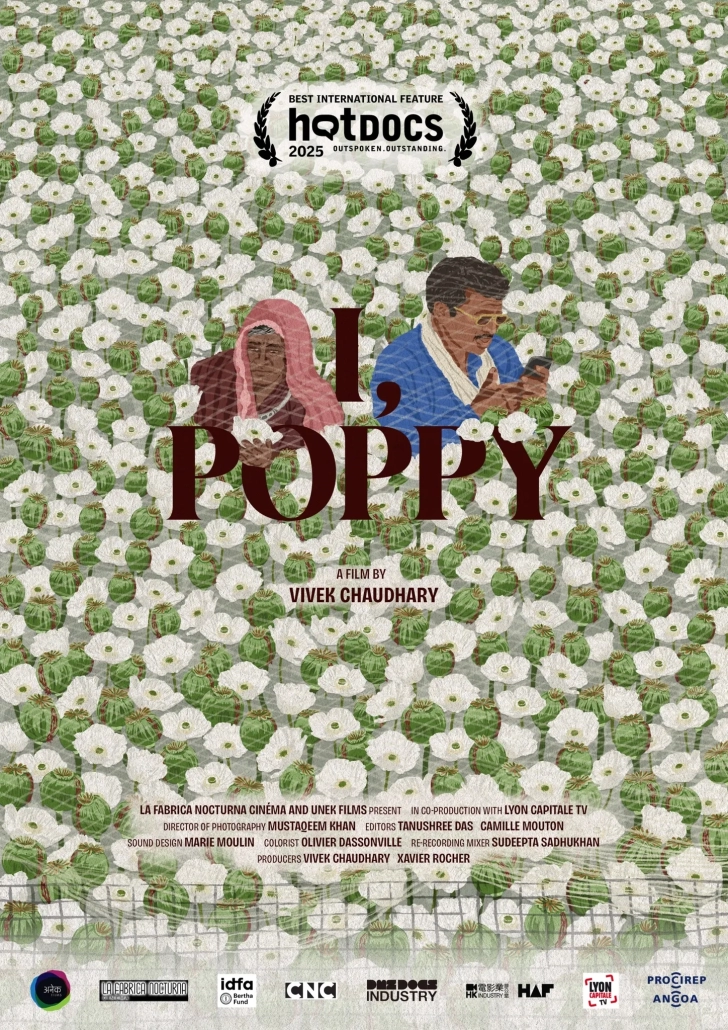
| TITLE OF THE FILM | I, Poppy (Hun, Amal) |
| DIRECTED BY | Vivek Chaudhary |
| LANGUAGE | Mewadi, Hindi (English subtitles) |
| YEAR | 2025 |
| COUNTRY | India |
| DURATION | 82 minutes |
PRINCIPAL CREW & CAST
| WRITING | Vivek Chaudhary |
| CINEMATOGRAPHY | Mustaqeem Khan |
| EDITING | Tanushree Das, Camille Mouton |
| LOCATION SOUND | Vivek Chaudhary |
| SOUND DESIGN & DIALOGUES | Marie Moulin |
| SOUND MIXING | Sudeepta Sadhukhan |
| MUSIC | The Tapi Project (Yogendra Saniyawala, Biju Nambiar, Swa5 Minaxi, Gaurav Kapadia) |
| COLORING | Olivier Dassonville |
| PRINCIPAL CAST | Vardibai Meghwal, Mangilal Meghwal, Dinesh Meghwal, Lakhan Meghwal |
ABOUT THE FILM
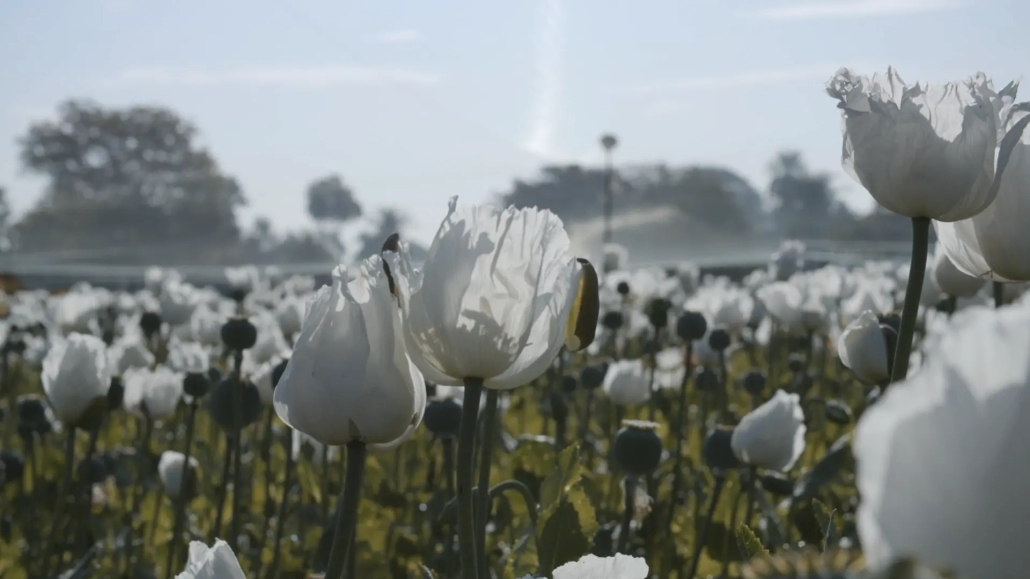
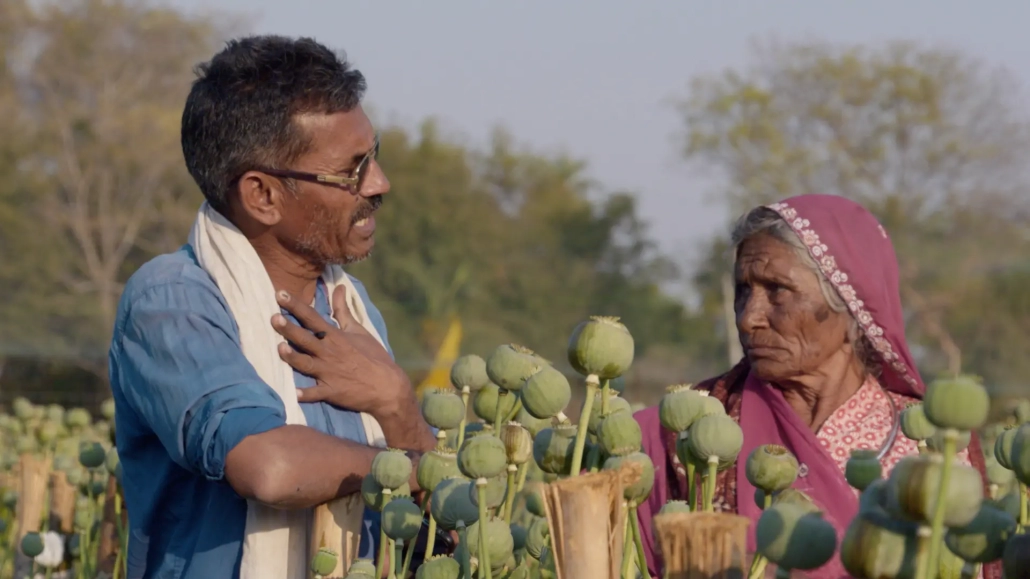
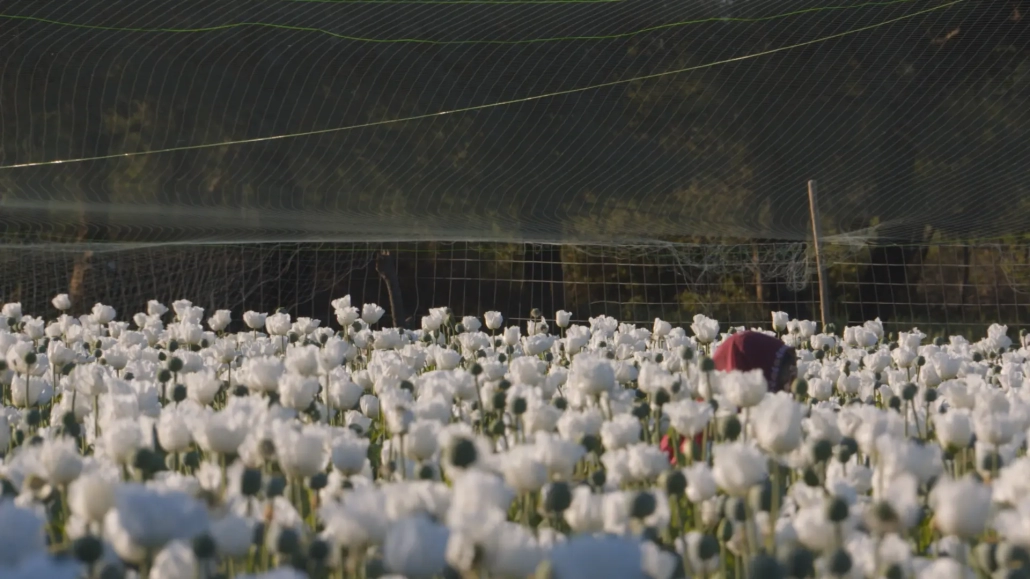
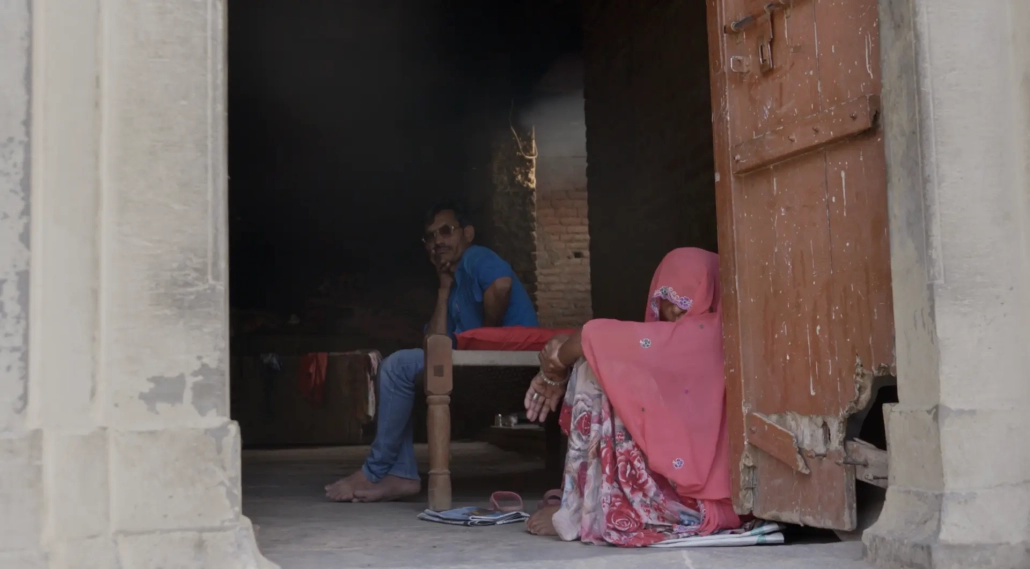
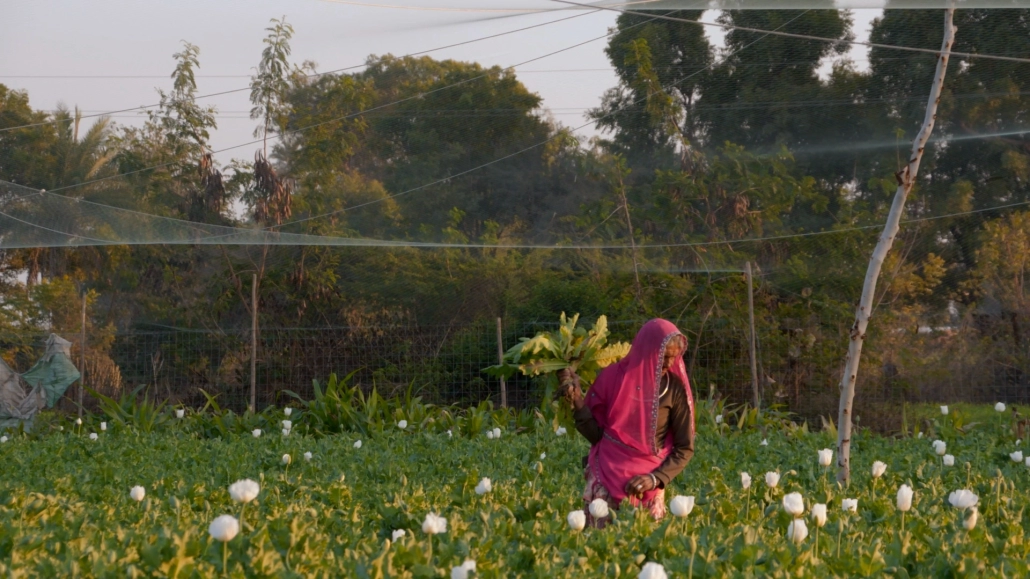
A son fights corrupt officials while his mother tends their poppy farm in India. As authorities strike back at their lower-caste family, they must choose between keeping food on the table and standing up for what’s right.
ABOUT THE DIRECTOR
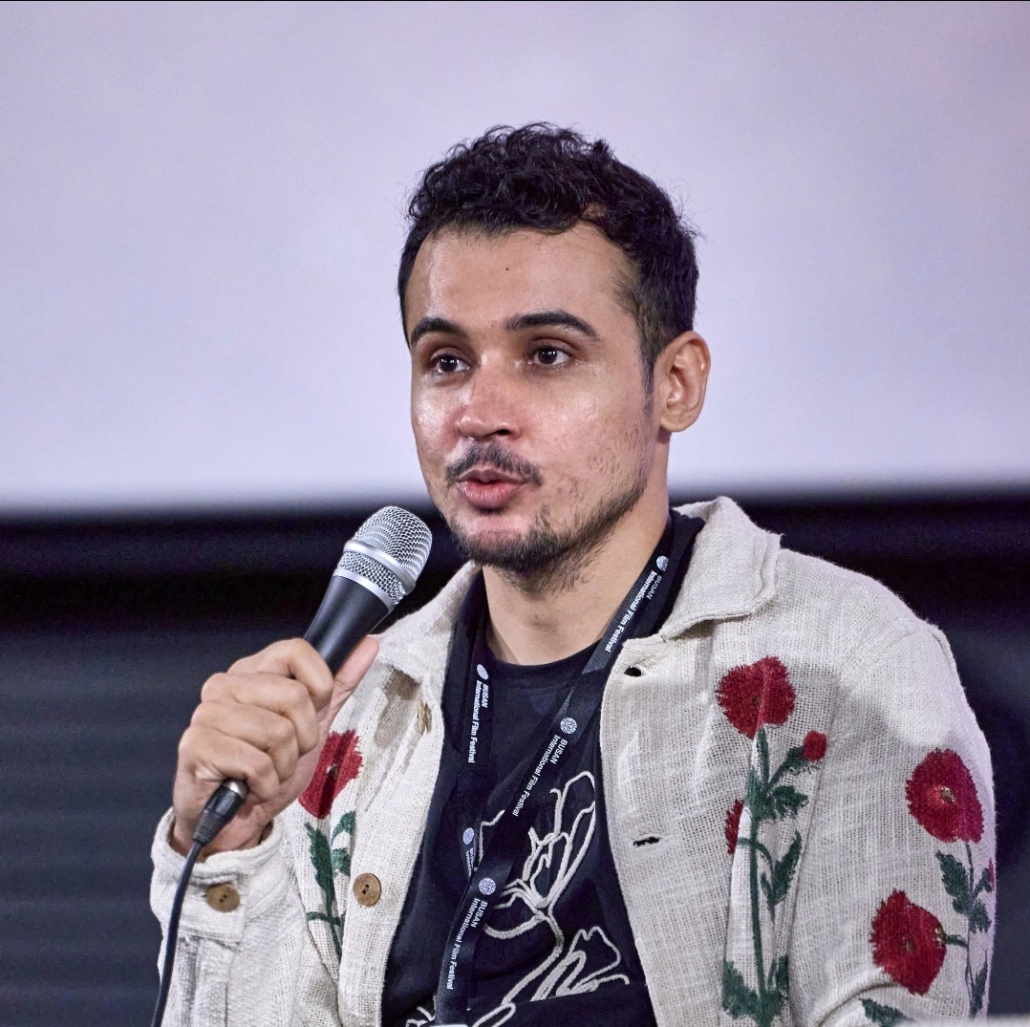
Vivek Chaudhary is an award-winning director, producer and writer whose films have been supported by top film forums and shown at prestigious festivals, including Hot Docs, IDFA Bertha Fund, The French National Centre for Cinema (CNC) and Lisbon Docs. His debut documentary,’Goonga Pehelwan’ (The Mute Wrestler), won the Indian National Film Award in 2015, among many others. The film was instrumental in changing sporting policies for deaf sportspersons in India. His debut-feature ‘I, Poppy’ won the Best International Feature Award at Hot Docs, 2025, garnering positive reviews from National and International Critics and will be travelling to various festivals. Vivek has forayed into screenwriting, with his fiction feature getting selected to the prestigious NFDC Screenwriters Lab, 2021 and is currently in pre-production.
DIRECTOR’S STATEMENT
Films for me are an instrument to better understand the world I live in and wherever possible, they are a means to spark a conversation and hopefully move the needle on some aspects of living. Being in a country like India, where rampant corruption is a way of life and acceding to it in order to benefit oneself is the most pragmatic choice, I have struggled with that idea and tried to live my life that aligns with my true values. Also, my family comes from the state of Rajasthan, where opium cultivation and usage has gone on for over five centuries. My fascination for the poppy plant along with the disgust for the bureaucracy that oppresses the plant and the people made me want to make this film. Being an artist, I also wanted to realize it in a deeply felt but also a very aesthetic way. This defined the approach to the film and why it took about eight years from the research to the final film. It has been a beautiful, arduous journey that has really made me come into my own as a filmmaker.

