
| TITLE OF THE FILM | Inside Out |
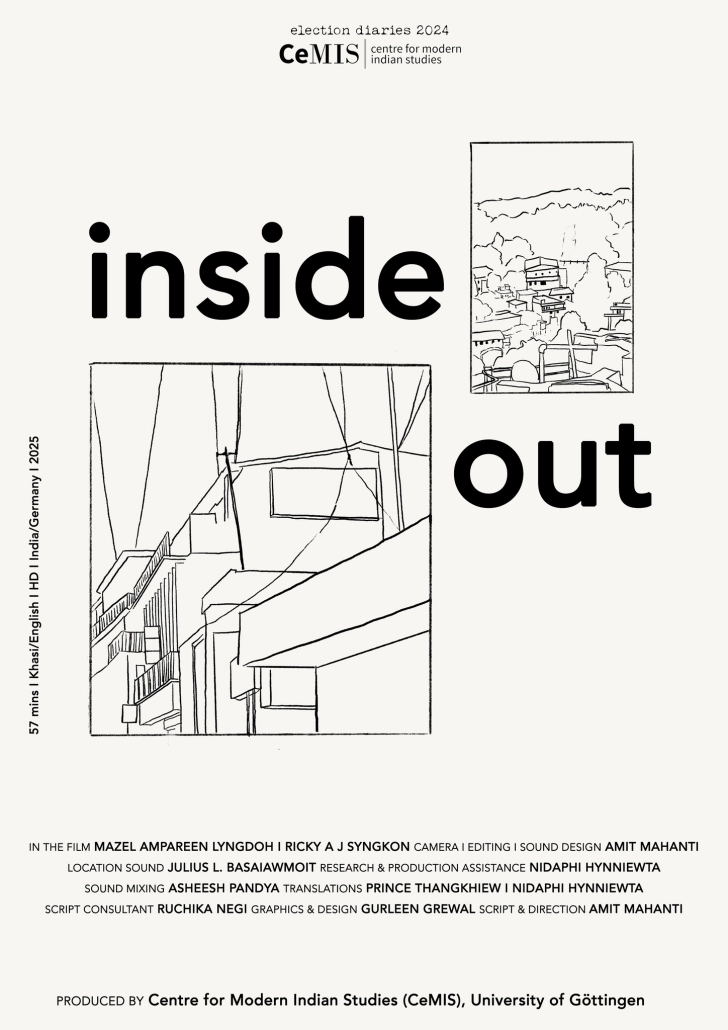
| DIRECTED BY | Amit Mahanti |
| LANGUAGE | Khasi, English (English subtitles) |
| YEAR | 2025 |
| COUNTRY | India |
| DURATION | 57 minutes |
| SPECIAL NOTE | Kolkata Premiere |
PRINCIPAL CREW & CAST
| WRITING | Amit Mahanti |
| CINEMATOGRAPHY | Amit Mahanti |
| EDITING | Amit Mahanti |
| LOCATION SOUND | Julius L. Basaiawmoit |
| SOUND DESIGN | Amit Mahanti |
| RESEARCH & PRODUCTION ASSISTANCE | Nidaphi Hynniewta |
| TRANSLATIONS | Prince Thangkhiew & Nidaphi Hynniewta |
| PRINCIPAL CAST | Dr. Mazel Ampareen Lyngdoh, Dr. Ricky A J Syngkon |
ABOUT THE FILM
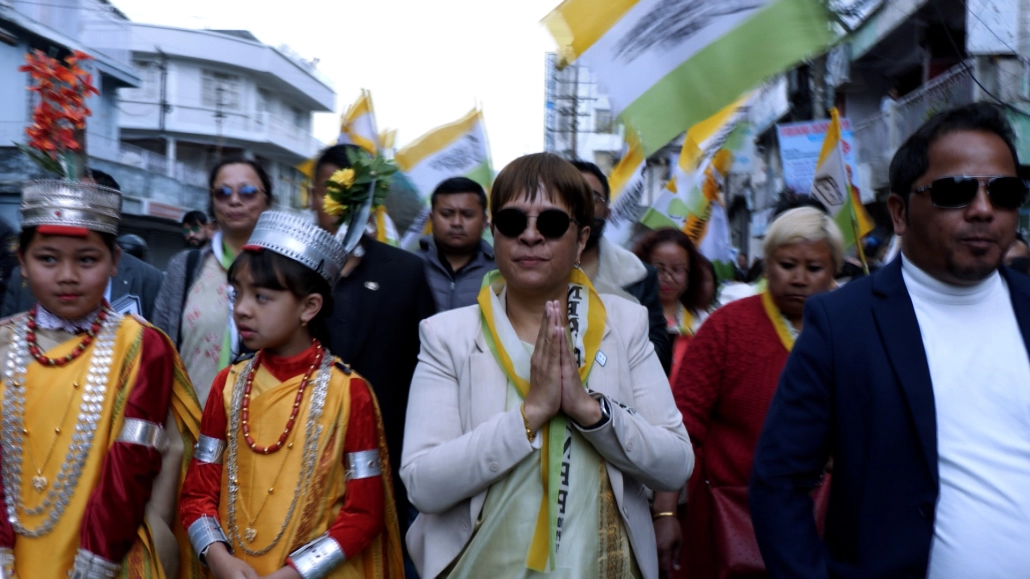
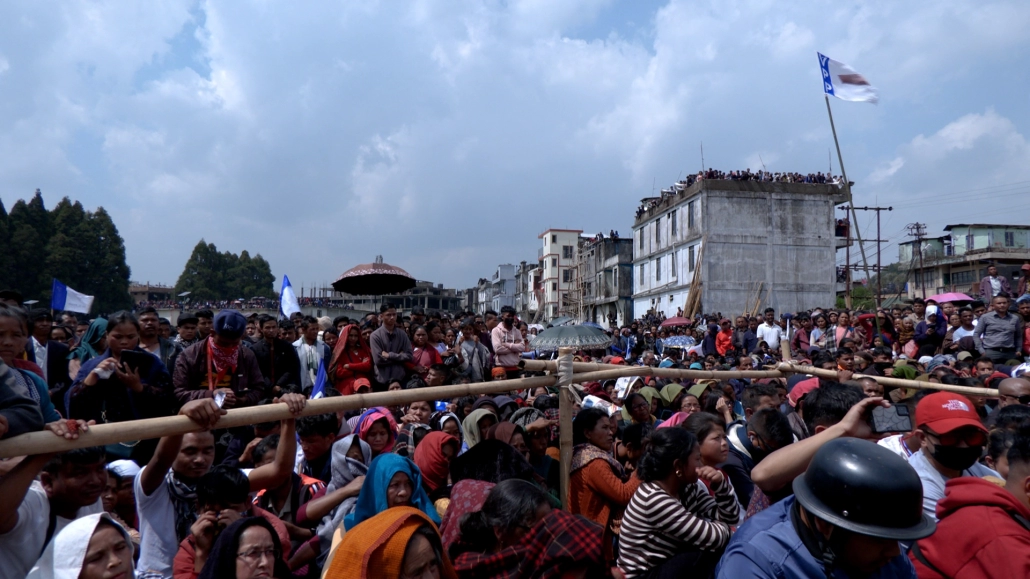
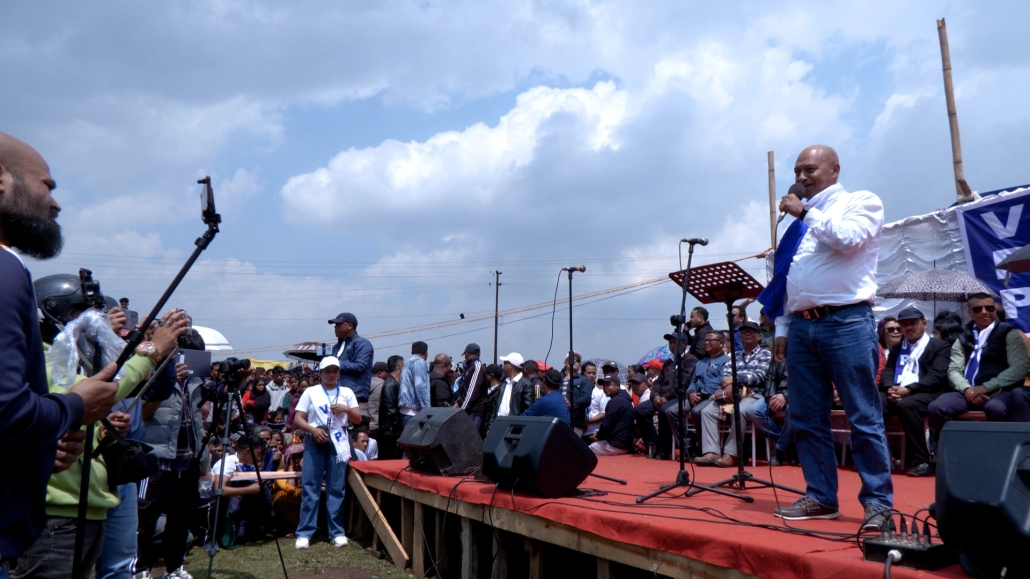
The 2024 Parliamentary election in Shillong – the capital of Meghalaya and the parliamentary constituency for the Khasi-Jaintia Hills – was a contest between two main regional parties in the state – the ruling National People’s Party and the nascent Voice of the People Party, a party that stood for ‘clean’ politics and the interests of the ‘jaidbynriew’. Jaidbynriew – an often-used word in campaigns across parties – loosely translated as the Khasi/Jaintia race/tribe, the pride and essence of being. The filmmaker explores this tussle between parties and ideas of identity, to examine his relationship with the place and ideas of belonging and otherness.
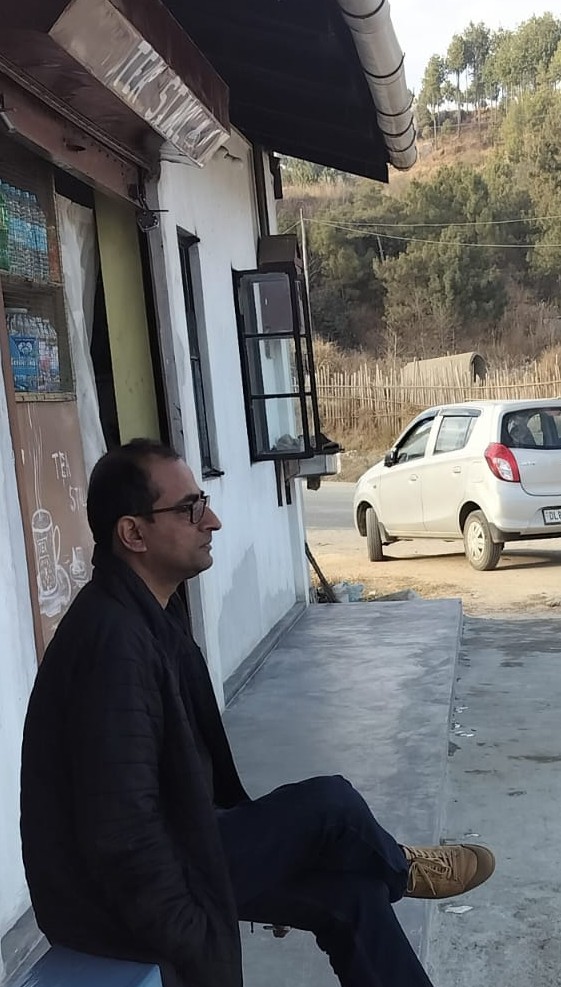
ABOUT THE DIRECTOR
Amit Mahanti is a filmmaker, cinematographer and editor who lives between New Delhi and Shillong. He has worked on films and video installations that explore questions of ecological transformation, culture and politics. His films include ‘Every Time You Tell A Story’, ‘Scratches On Stone’ and ‘Two Autumns in Wyszogród’. He has been selected for numerous art and film residency programs, and his work has been exhibited at various film festivals and art platforms, most recently at the Humboldt Forum, Berlin (2022-25) and the Kochi Muziris Biennale (2022-23). Amit was a recipient of the Charles Wallace India Trust Short-term Fellowship, 2016.
DIRECTOR’S STATEMENT
For someone who grew up in Shillong, returning to the place to work on this film was an exercise in remembering. More so with local politics in Meghalaya, something that I had never looked at microscopically. I was aware of the broad strokes – the vying between national and regional parties; the jostling between local parties to be seen as true sons-of-the-soil; or the eternal-as-the-hills insider-outsider politics in the city. And a realisation while making this film that as a ‘dkhar’ (a person from the plains), one had never engaged with politics from the inside – a reflection of the receding political space that the ‘dkhar’ has come to occupy in Shillong over the years.
What caught my attention in this election campaign was the foregrounding of the idea of ‘jaidbynrew’, loosely translated as the Khasi/Jaintia race or people. And to disturbingly see parties stoking son-of-the-soil and outsider-as-threat narratives. This triggered memories of belonging, outsider-ness, insider-outsider politics that I had grown up with. I sensed a polarity, one that I wanted to resist but felt the need to verbalise – questions, speculations, even conspiracy theories. The film is an exploration of these inner doubts and confusions.

