
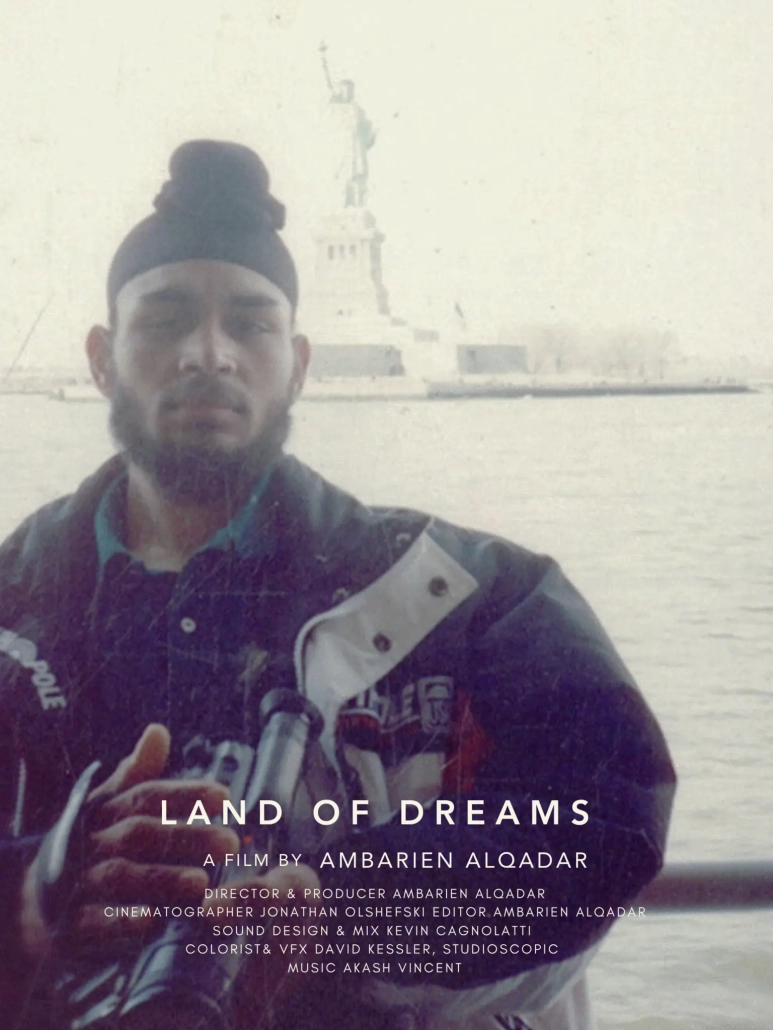
| TITLE OF THE FILM | Land of Dreams |
| DIRECTED BY | Ambarien Alqadar |
| LANGUAGE | Punjabi, Hindi, English (English subtitles) |
| YEAR | 2024 |
| COUNTRY | India, USA |
| DURATION | 40 minutes |
PRINCIPAL CREW & CAST
| CINEMATOGRAPHY | Jonathan Olshefski |
| EDITING | Ambarien Alqadar |
| SOUND MIXING | Kevin Cagnolatti |
| MUSIC | Akash Vincent |
ABOUT THE FILM
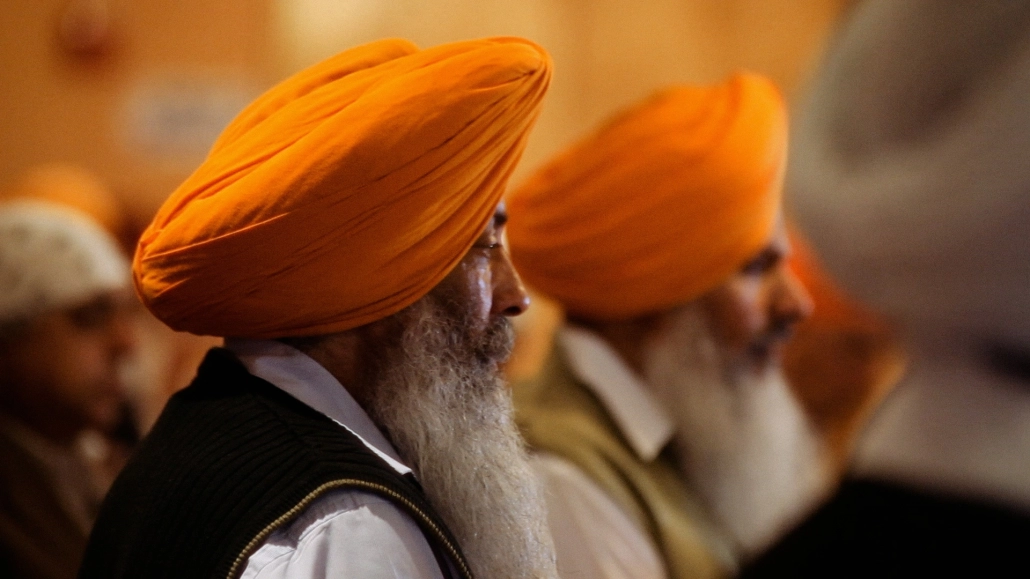
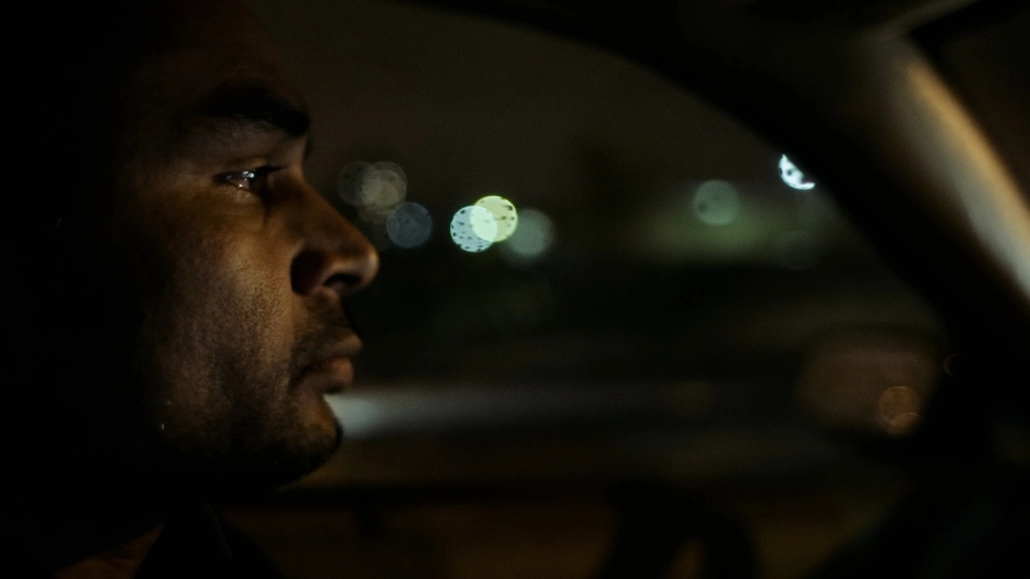
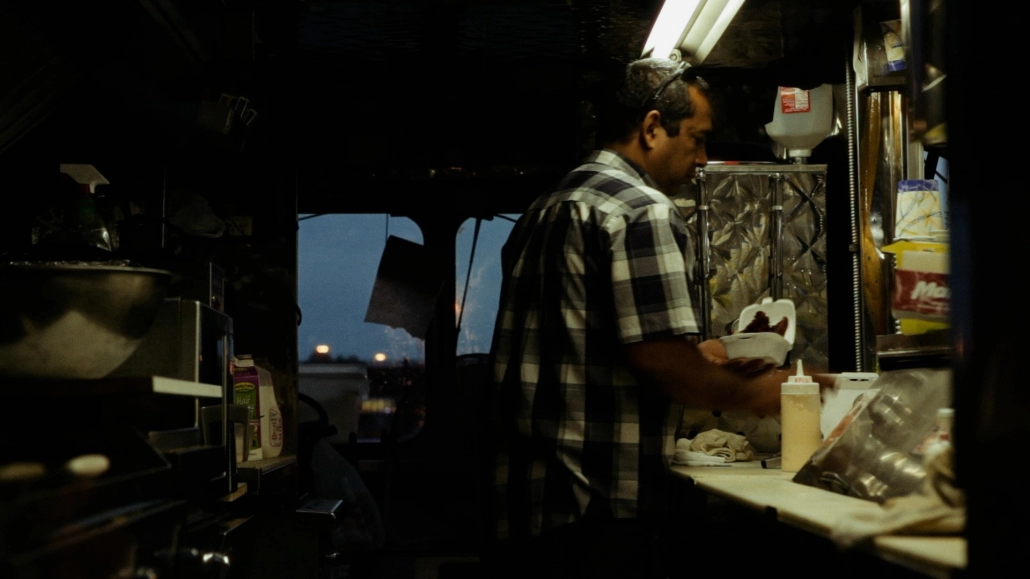
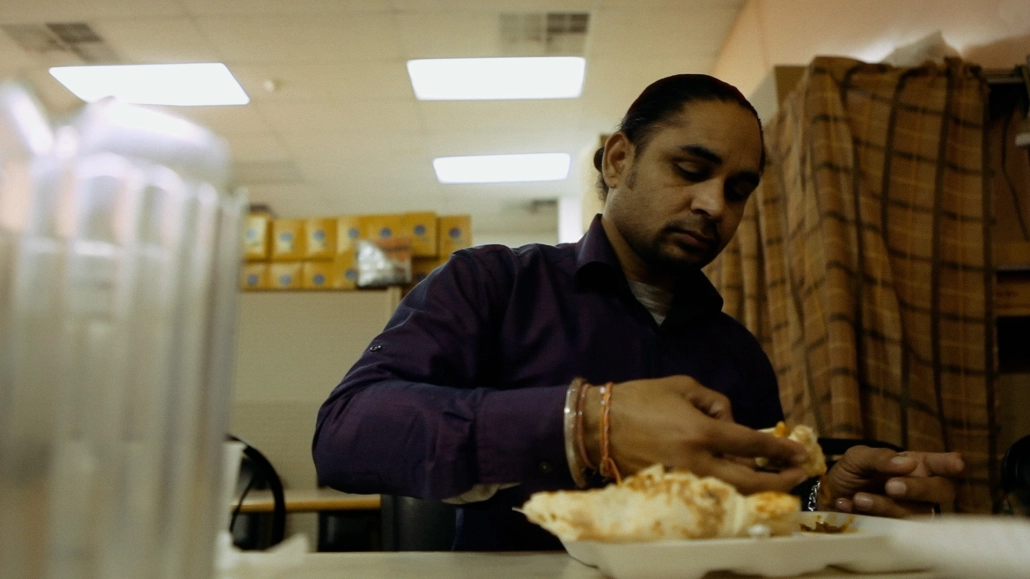
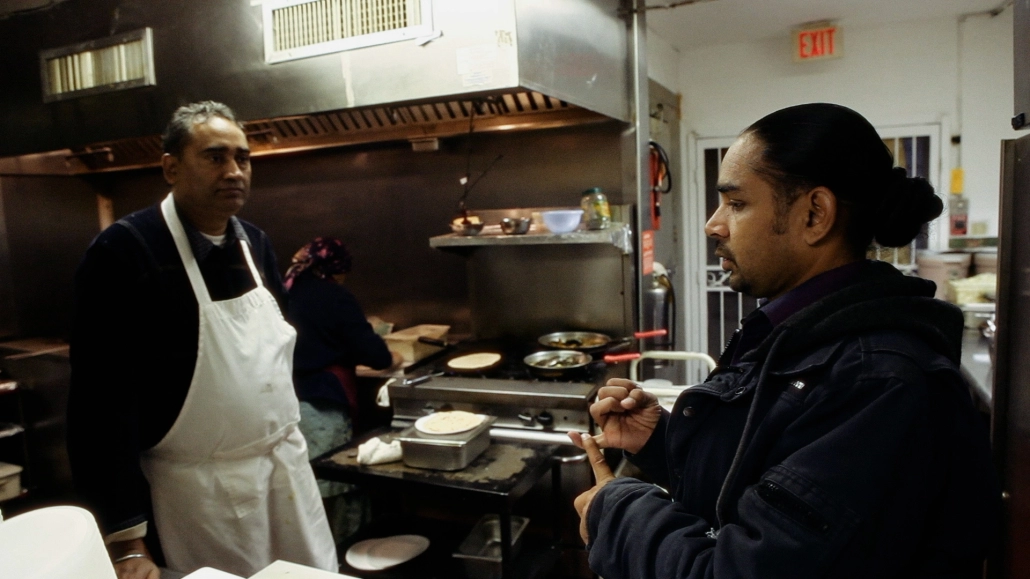
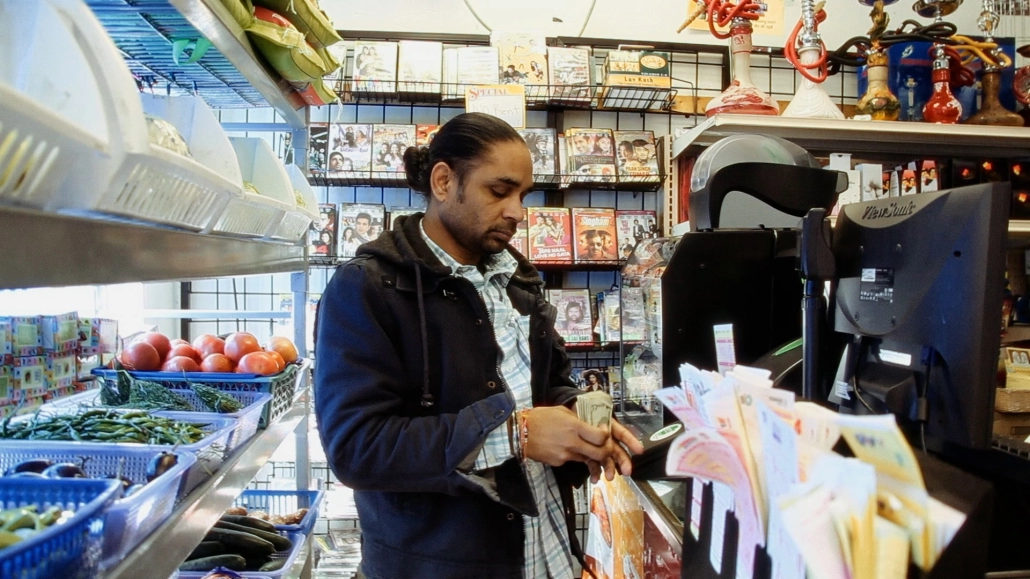
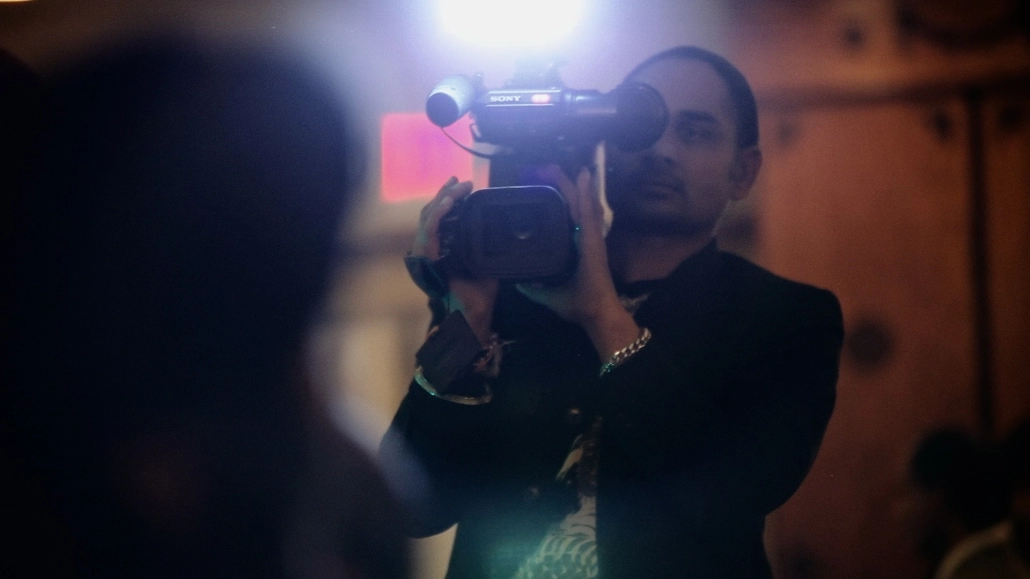
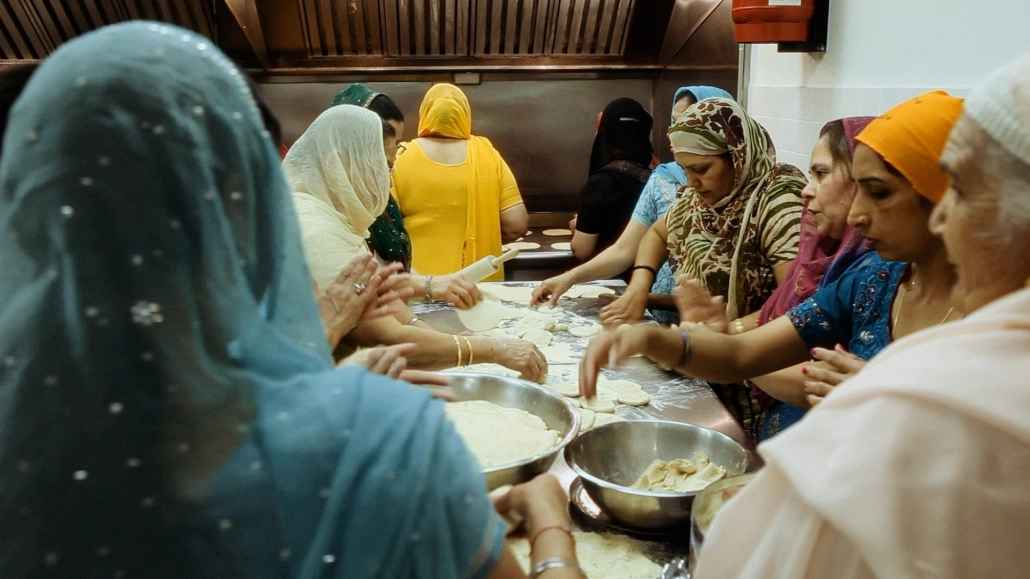
Filmed for nearly a decade, ‘Land of Dreams’ is an intimate portrait of Virender Rana, a taxi driver from India, chasing his dream of telling his story in America. While he points the camera at his own life and films a Bollywood style movie, the film follows his journey of coming to America, finding joy as part of a larger Sikh community and that of taxi drivers and laying roots as an immigrant. As he joins the elite Uber Black fleet, hoping for his dreams to come true, he faces challenges of being a brown immigrant on the streets of post 9/11 America. Land of Dreams is a letter of solidarity and hope to anyone who has searched for a home and a land for their dreams in a place where they were not born.
ABOUT THE DIRECTOR
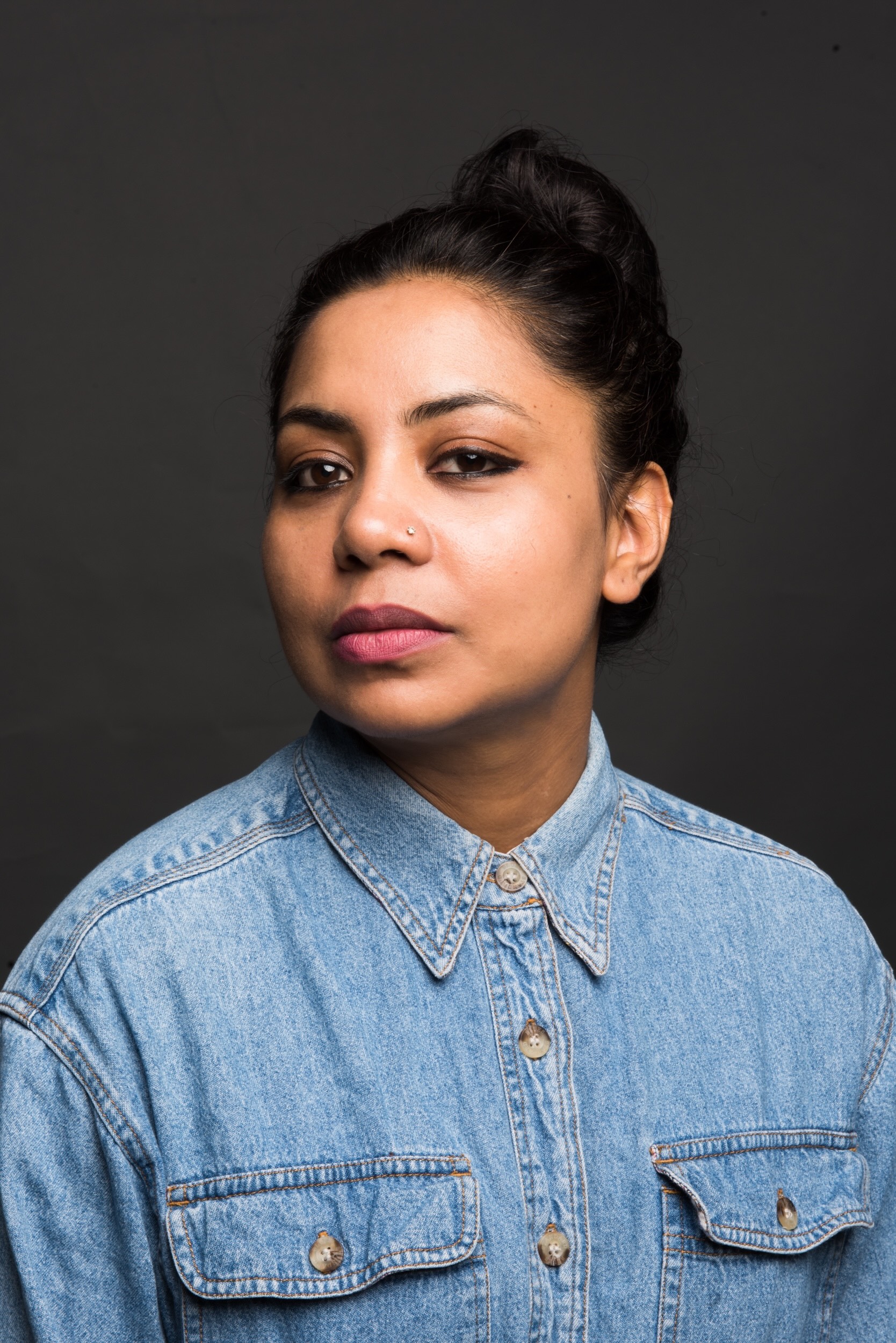
Ambarien Alqadar is a filmmaker, writer and artist. Shaped by the experience of growing up in Jamia Nagar, New Delhi, the metaphor of border crossing is central to her creative practice. Her first documentary- ‘Who Can Speak of Men?’ was acclaimed as ‘revolutionary for its portrayal of Indian Muslim women’ at BFI Flare and selected to several prominent festivals. She is in development with her first narrative feature and her upcoming short, Stray Girls is presented by Anurag Kashyap. Ambarien is an alum of Jamia Millia Islamia, India and Temple University U.S. where she was a Fulbright-Nehru Fellow. She was a speaker at the International Documentary Association 2020, Decolonizing the Documentary and Doris Duke Building Bridges Fellow 2026.
DIRECTOR’S STATEMENT
Much as documentaries are about what we film in front of the camera, they are more importantly about the bonds we create with the people whose story we are so privileged to tell, and in that we tell our own story. I met Virender Rana while I was a Fulbright Fellow at Temple University, Philadelphia and what started off as me following him around with my camera after being fascinated by Amitava Kumar’s Passport Photos turned into a decade long collaboration. Rana made me reflect on my own positionality and privilege as a filmmaker as he became a collaborator in telling his story. Shortly after I started filming, my own life became a series of journeys to and from India and as I tried to make sense of what it means to be uprooted, I continued to film with Rana, reflecting on questions of home and belonging. Through this film I hope to humanize those of us who speak in multiple languages, have an accent or just look different. Rana’s quest to become a filmmaker and tell his story makes him an artist because he has created a life, a future, from nothing but a dream.

