
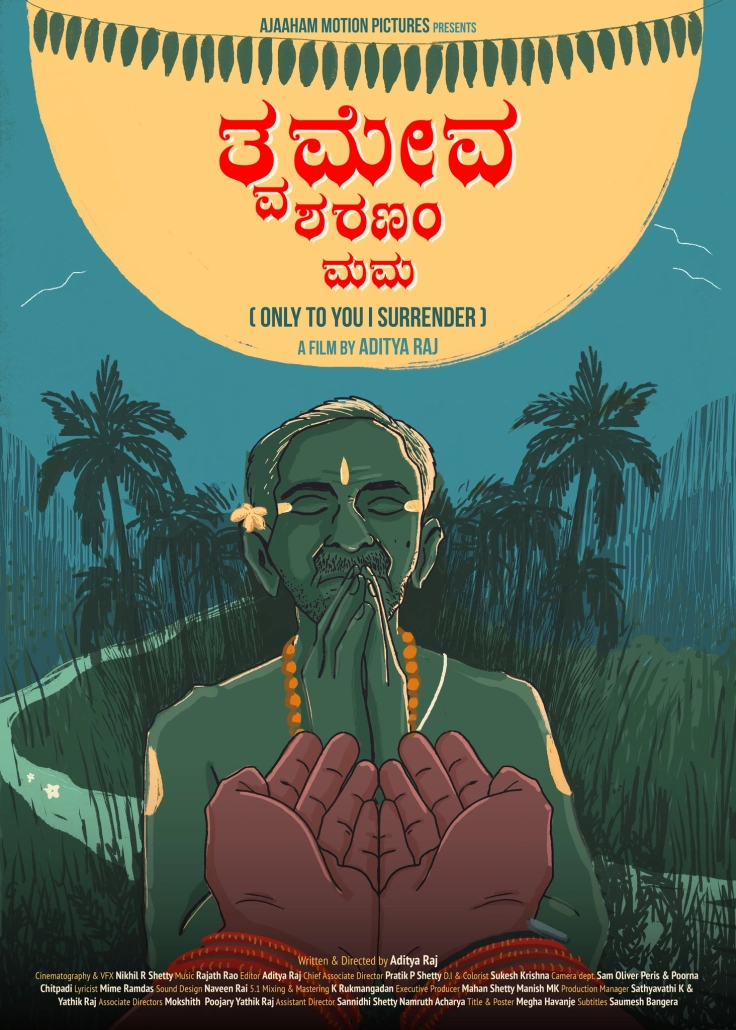
| TITLE OF THE FILM | Only to You I surrender (Twameva Sharanam Mama) |
| DIRECTED BY | Aditya Raj Bharghav |
| LANGUAGE | Tulu (English subtitles) |
| YEAR | 2025 |
| COUNTRY | India |
| DURATION | 30 minutes |
| SPECIAL NOTE | Kolkata Premiere |
PRINCIPAL CREW & CAST
| WRITING | Aditya Raj Bharghav |
| CINEMATOGRAPHY | Nikhil Ravindra Shetty |
| EDITING | Aditya Raj Bharghav |
| LOCATION SOUND | Pratik P. Shetty |
| SOUND DESIGN | Naveen Rai Kerebail |
| SOUND MIXING | K. Rukmangadhan |
| MUSIC | Rajath Rao |
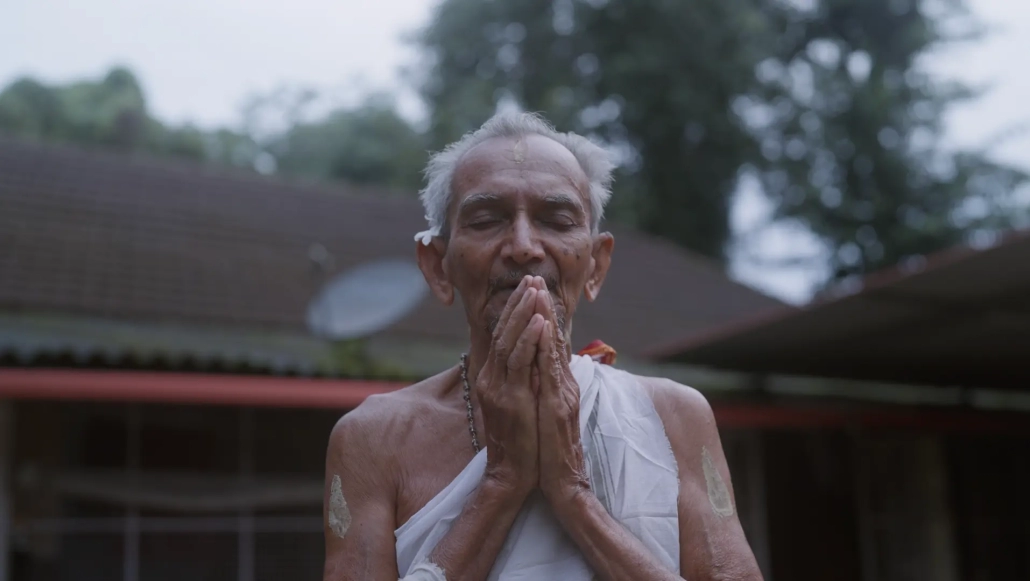
| PRINCIPAL CAST | Shivarama Thodthillaya, Beethuru, Udbhav |
ABOUT THE FILM
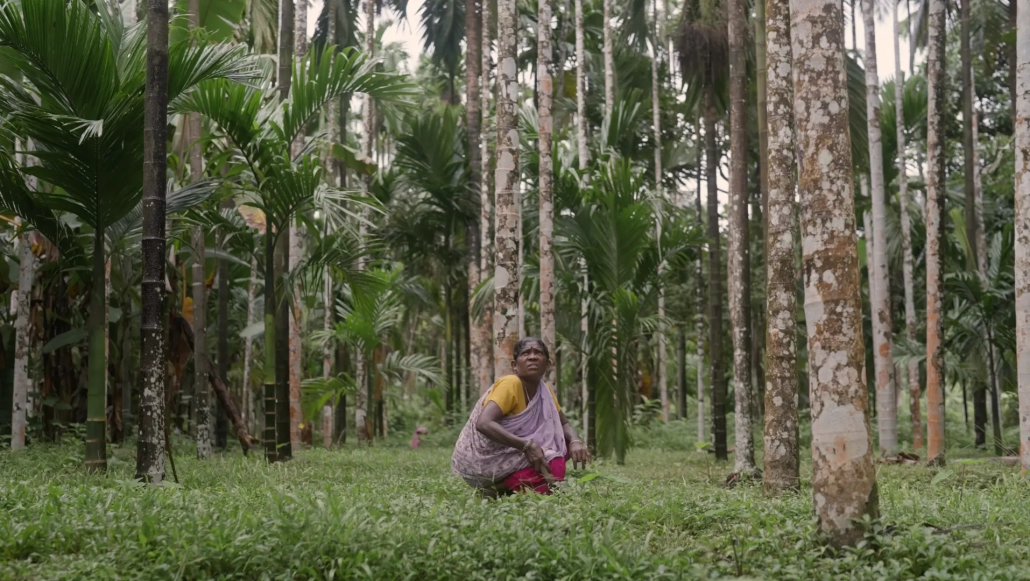
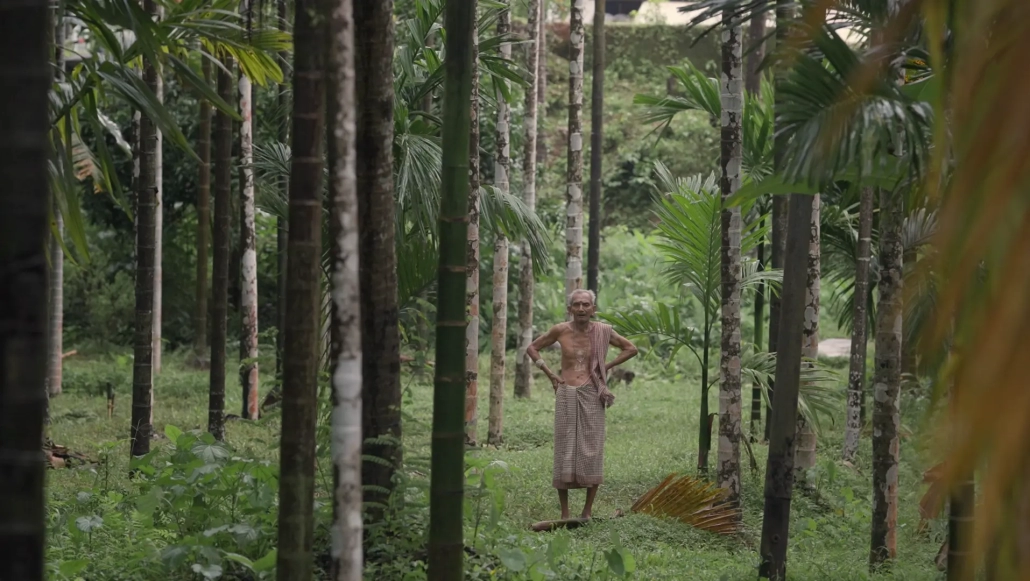
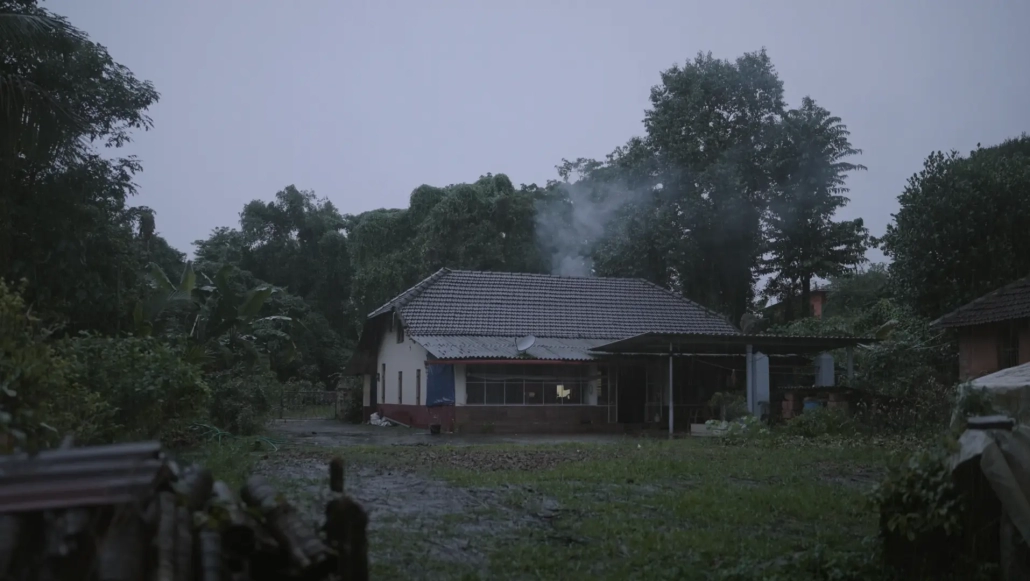
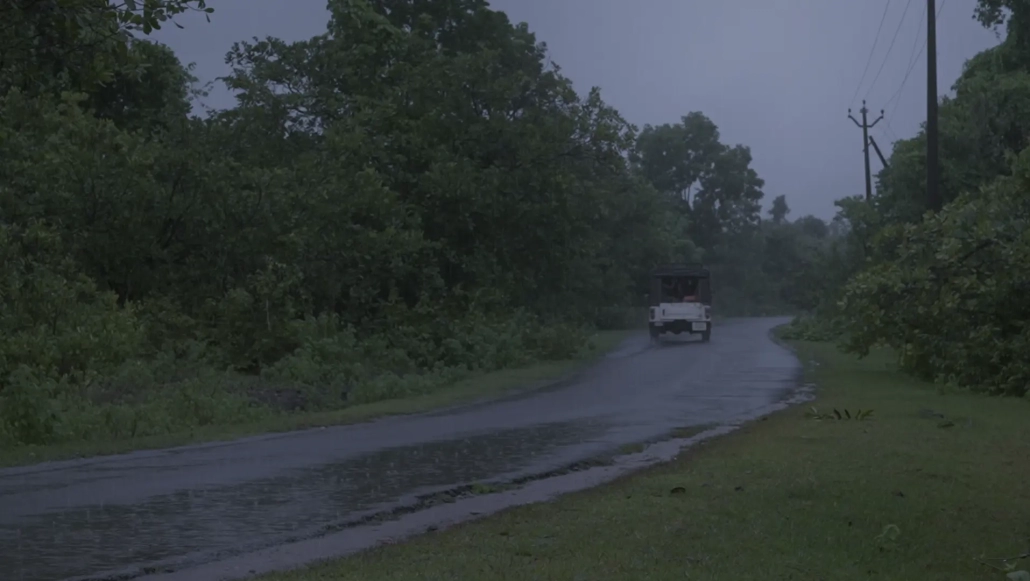
A theft disrupts the delicate order of Shivarama’s respected household striking a blow to his pride and ego. His pursuit of restoring the sense of control turns to rituals and vows, fracturing the lives around him. As faith and morality collide, the story leaves a haunting question: who will God truly stand by—the oppressor hiding behind rituals or the oppressed seeking refuge in an act of helplessness?
ABOUT THE DIRECTOR
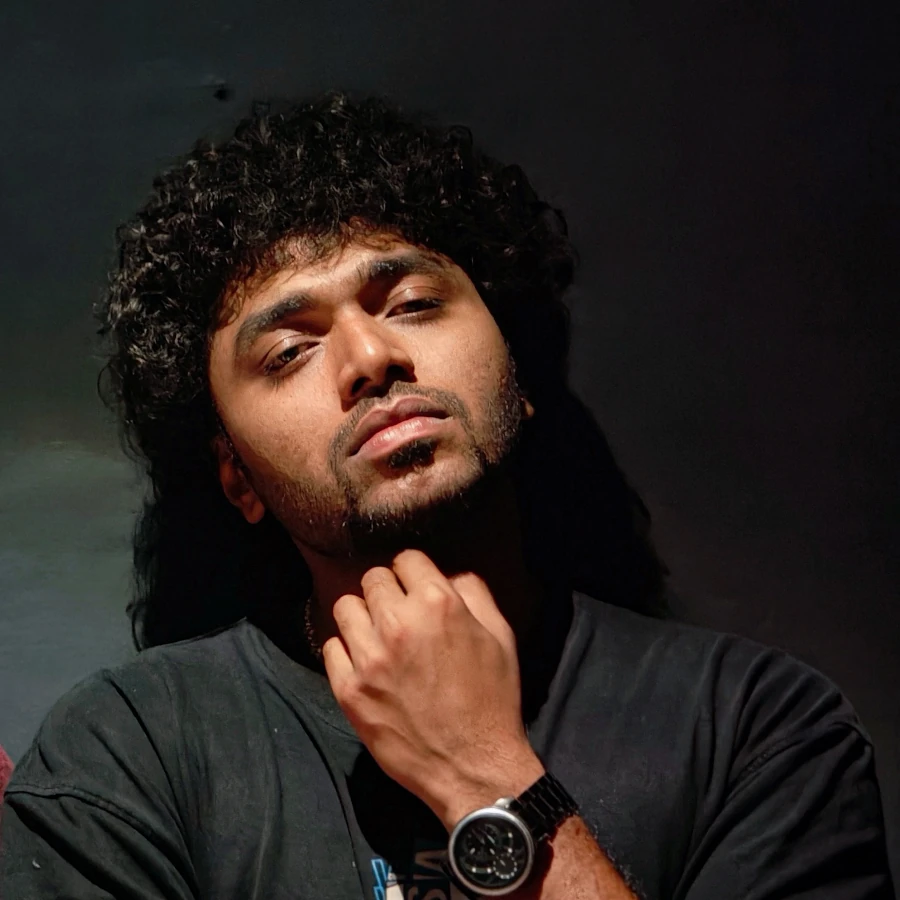
Aditya Bhargav had the honour of representing India on an international platform at the Russian Youth Forum in Moscow (2019) as a cultural ambassador, where he showcased traditional dance performances. Continuing his passion for culture and entertainment, he has written, directed, and acted in TV commercials, branded content, and acted in few regional films. Now, as he embarks on his journey into film making, he aims to bring his ideas, profound questions, and emotions to the screen, exploring deeper narratives and creating meaningful cinema.
DIRECTOR’S STATEMENT
The seed for this short film was planted during my childhood, in the deeply traditional village near Dharmasthala where my grandfather’s house stood. As a child, I was both a participant in and an observer of a world shaped by caste hierarchies—a world where the boundaries of ‘inside’ and ‘outside’ were not just physical, but deeply symbolic. I often questioned why our workers, who toiled in the fields for us, were not allowed inside our house to eat, while I was scolded for wanting to eat outside. These moments of innocent curiosity grew into deeper reflections on inequality, faith, and the concept of god.
This film is my attempt to confront those childhood questions: Did god create us, or did we create god? If god is universal and compassionate, why do such divisions persist in his name? And why do we, as humans, repeatedly absolve ourselves of guilt through selective devotion, seeking forgiveness while perpetuating the very sins we claim to repent?
This film does not aim to provide answers, but to provoke questions. Through this film, I aim to hold up a mirror—not just to Shivarama and his village but to all of us. Because perhaps the god we create is not a saviour, but a reflection of our collective conscience, waiting to be reformed.

