
| TITLE OF THE FILM | See Me, When You Leave |
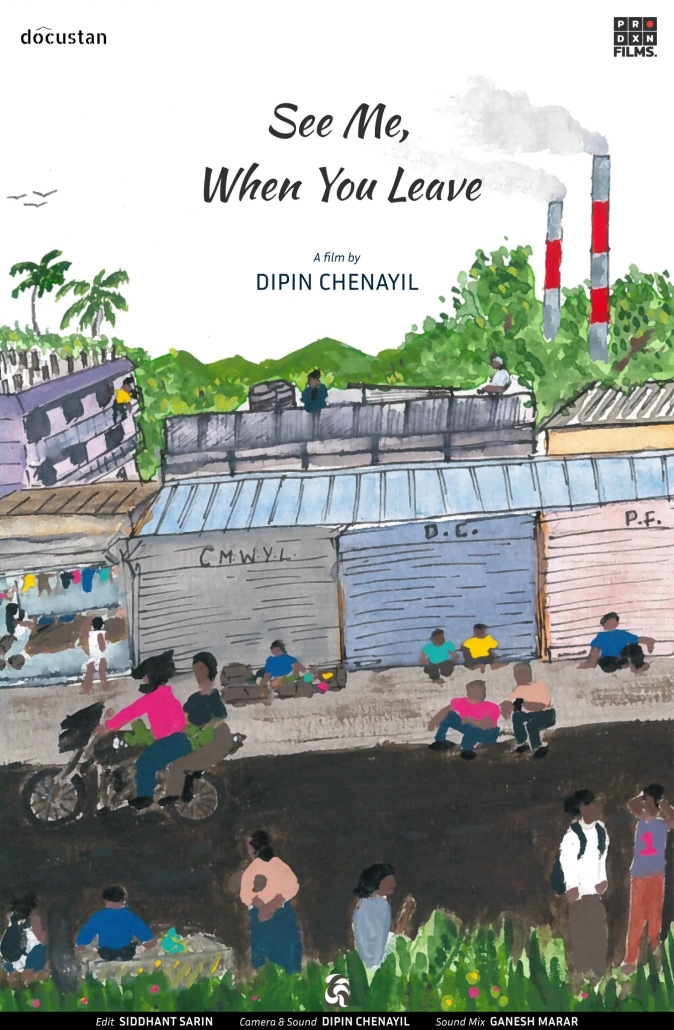
| DIRECTED BY | Dipin Chenayil |
| LANGUAGE | Malayalam, Hindi, Bengali (English subtitles) |
| YEAR | 2025 |
| COUNTRY | India |
| DURATION | 17 minutes 37 seconds |
| SPECIAL NOTE | Kolkata Premiere |
PRINCIPAL CREW & CAST
| WRITING | Dipin Chenayil |
| CINEMATOGRAPHY | Dipin Chenayil |
| EDITING | Siddhant Sarin |
| LOCATION SOUND | Dipin Chenayil |
| SOUND DESIGN | Dipin Chenayil |
| SOUND MIXING | Ganesh Marar |
ABOUT THE FILM
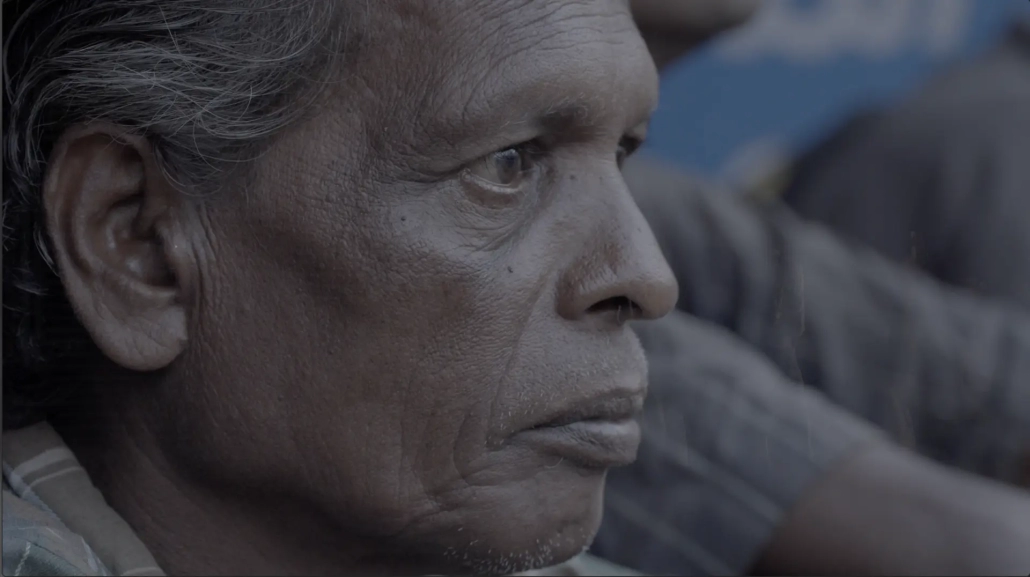
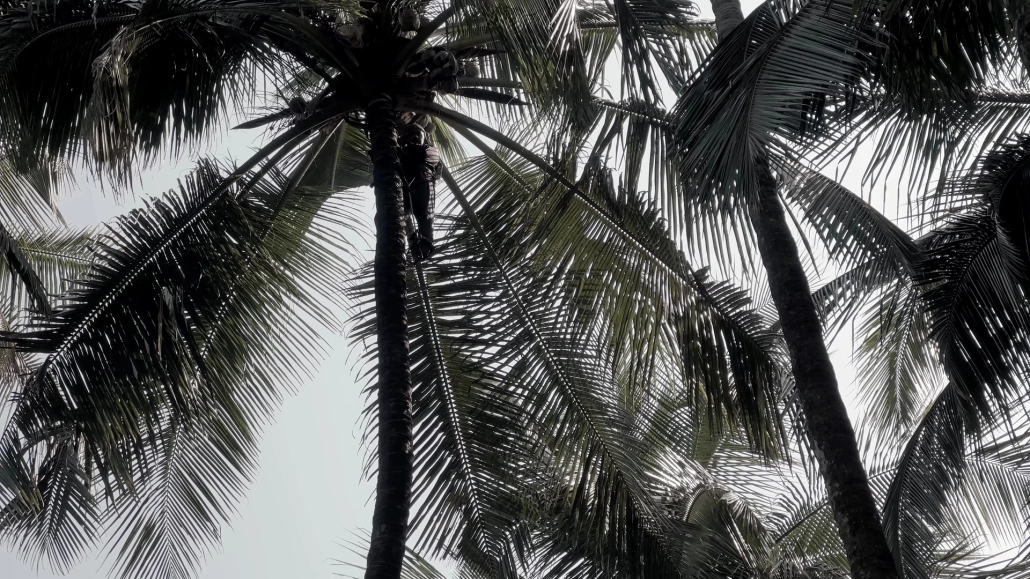
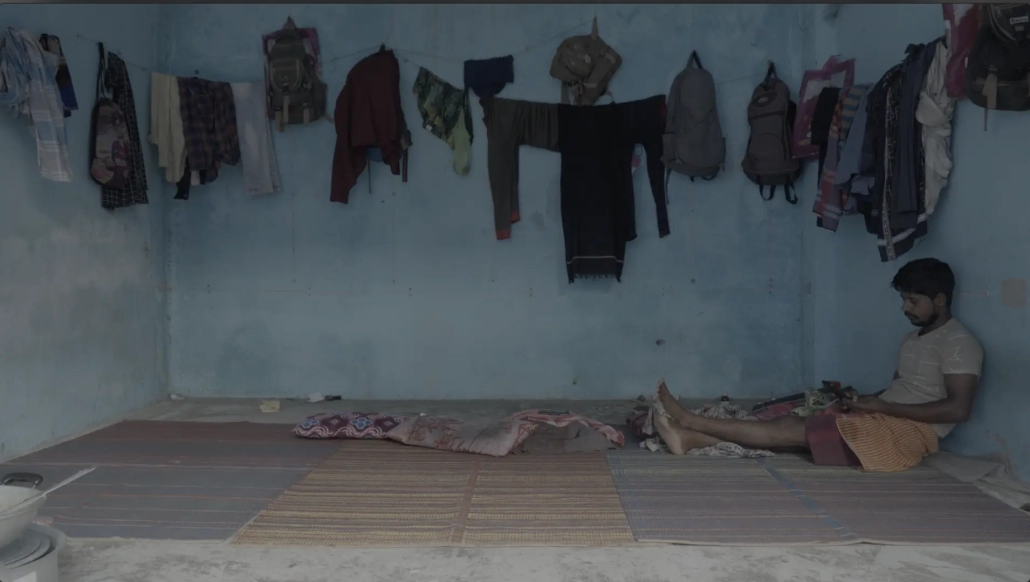
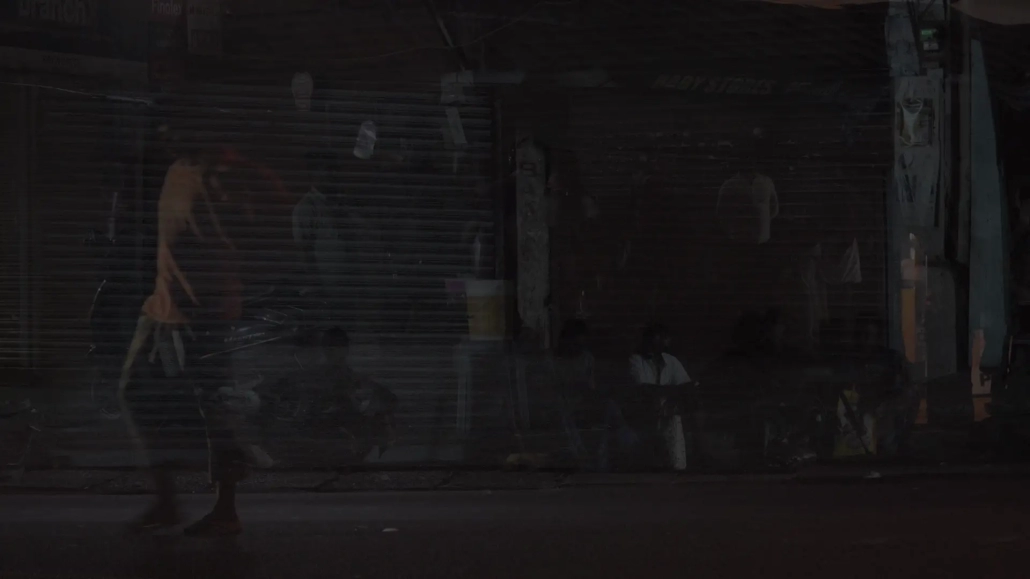
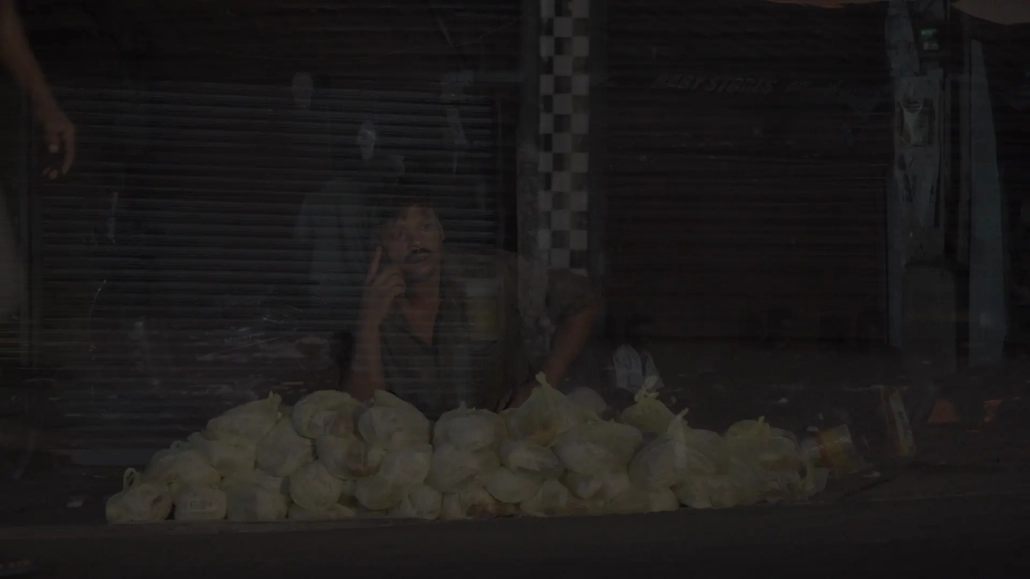
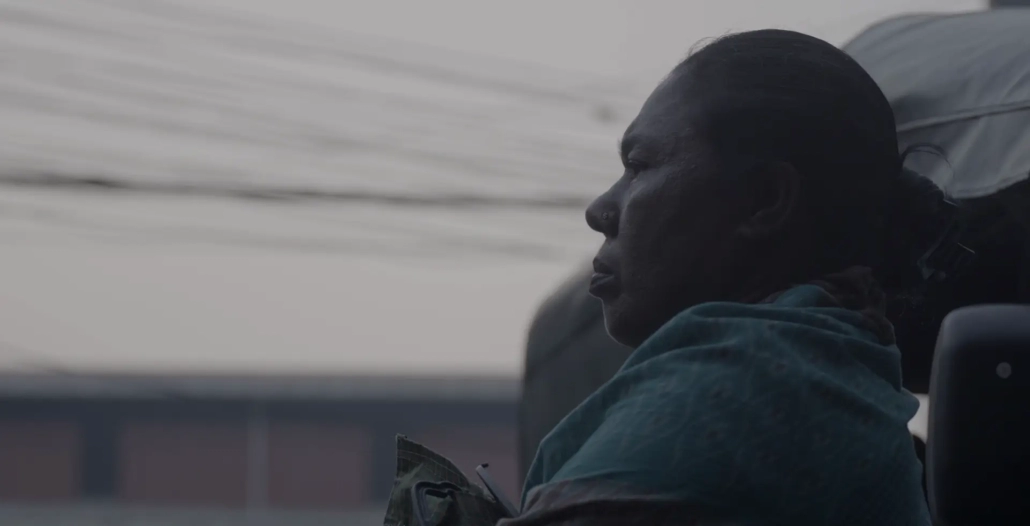
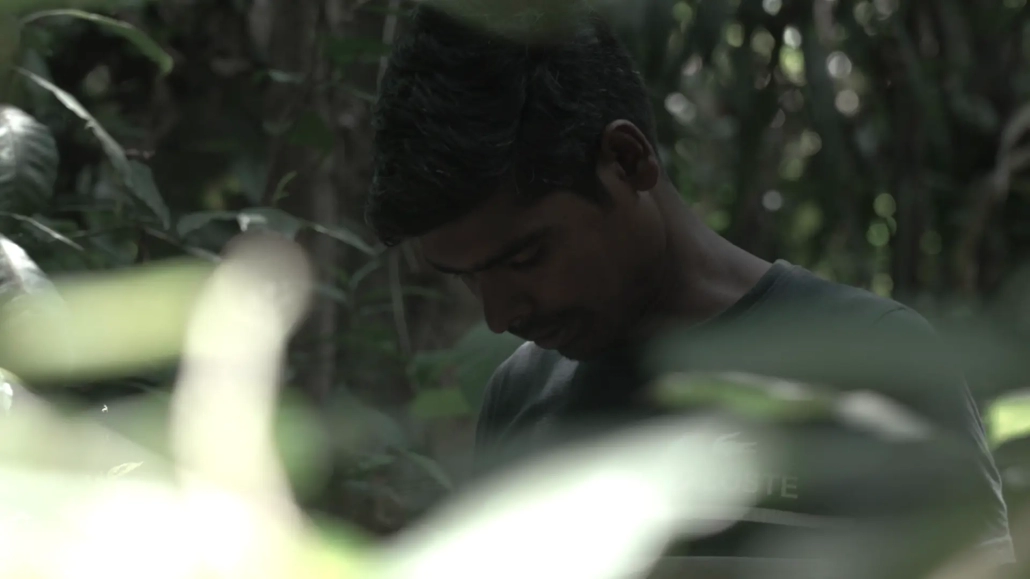
Kerala, with its lush landscapes, has seen many migrate abroad for work, creating local labour shortages filled by distant migrants. ‘See Me, When you Leave’ traces the stories of migrant workers in Kerala, and how they endure isolation, discrimination and uncertainty – often overlooked beyond their labour. Yet, amid struggle, they forge bonds, share stories, and discover solace in fleeting joys.
ABOUT THE DIRECTOR
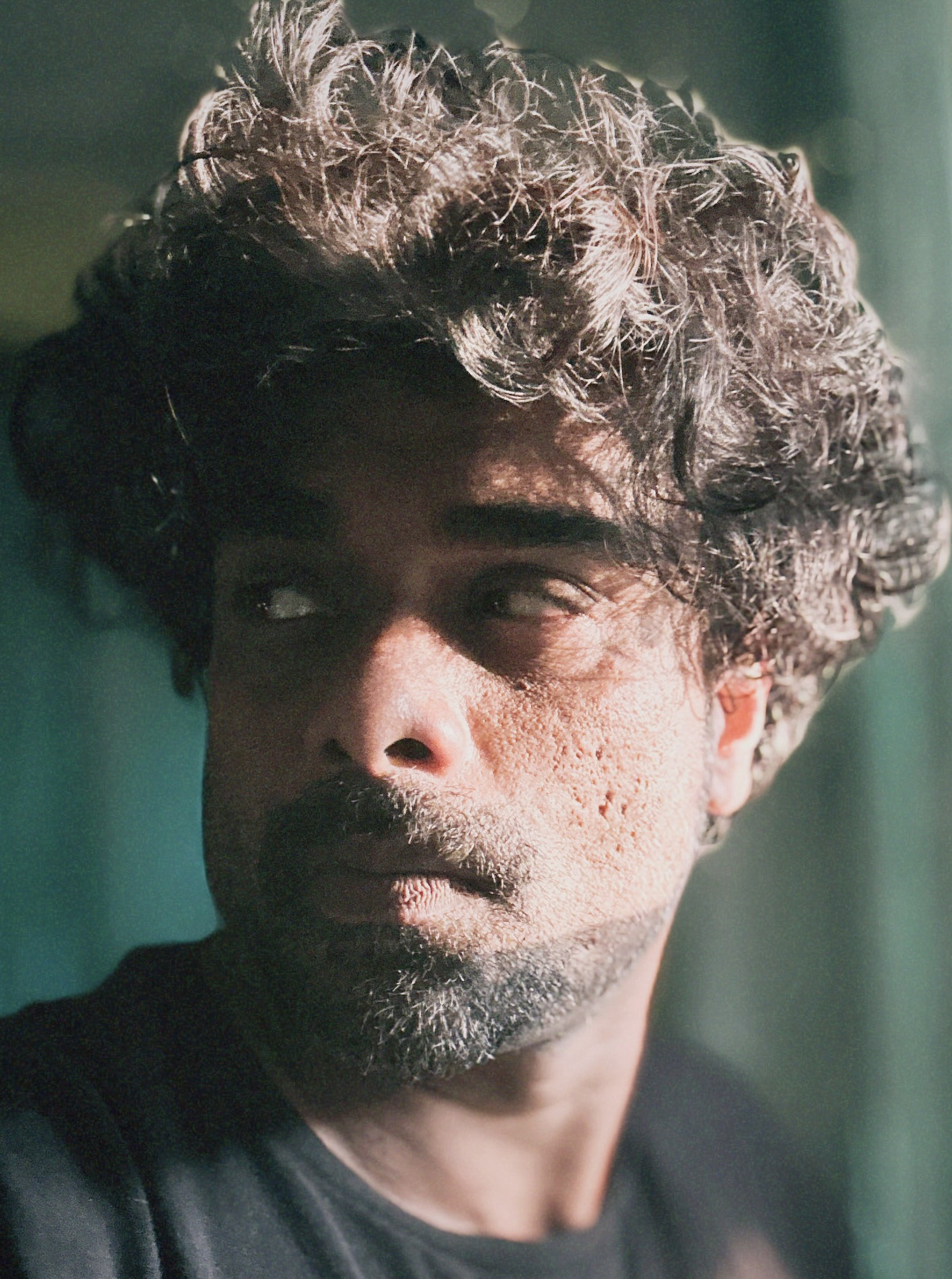
Dipin Chenayil is a Bengaluru-based cinematographer from Kerala, specializing in non-fiction films on socially and culturally relevant themes. An alumnus of Mindscreen Film Institute and Docustan’s Creative Documentary programme, he began his career as a video journalist. ‘See Me, When You Leave’ is his directorial debut.
DIRECTOR’S STATEMENT
The experience of making ‘See Me, When You Leave’ made me question the ideas around identity. How do individuals process that loss when they are forced to leave their homes and navigate the challenges of a new environment? When I was living and working as a migrant in a city far from my land, this question always haunted me. A person as a migrant worker often faces immense hardships, including uncertainty, isolation, and discrimination. These individuals can feel restrained by societal expectations, and their emotions and aspirations are often overlooked. The film seeks to understand their experiences from their perspective, exploring how they find a sense of belonging in their new home and reclaim their sense of self. By following the stories of these individuals, I aim to challenge preconceived notions about migrant workers and foster greater empathy and understanding. Making this film allowed me to be a listener, both with and without the camera, as I witnessed the narratives of these resilient individuals. It offered me new perspectives on life, which are reflected in the film.

